US Navy Awards $800,000 to Expand Kauaʻi Seabird and Waterbird Habitat
The U.S. Navy signed an $800,000 cooperative agreement with Friends of Kauaʻi Wildlife Refuges to expand seabird and waterbird habitat and reduce bird strike risks near PMRF.
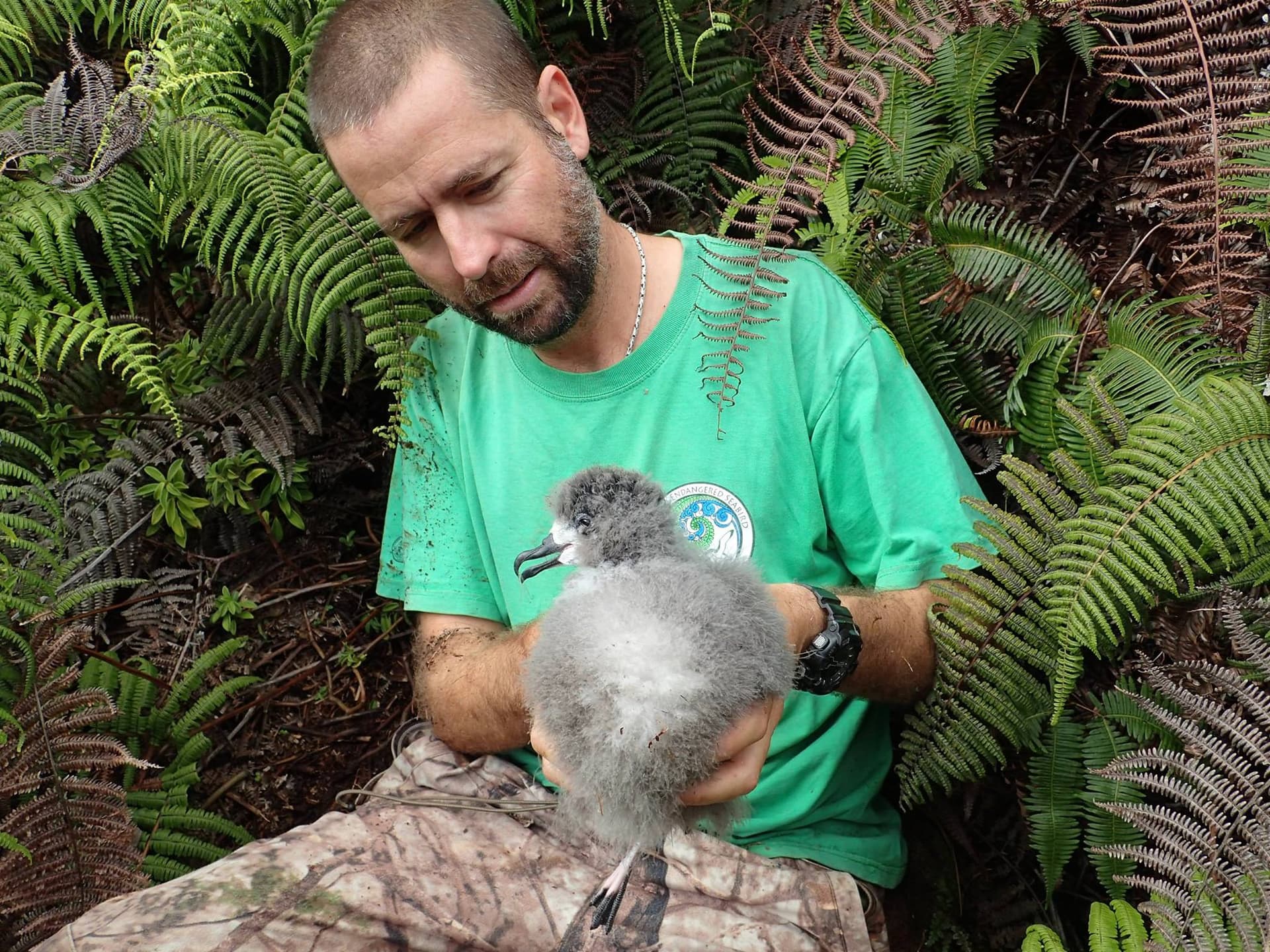
The Department of the Navy signed an $800,000 cooperative agreement with Friends of Kauaʻi Wildlife Refuges on August 5, 2025, to fund a multi-year project to expand habitat for native seabirds and water birds, support aviation safety at the Pacific Missile Range Facility by reducing Bird Aircraft Strike Hazard (BASH), and advance long-term conservation on Kauaʻi. Friends of Kauaʻi Wildlife Refuges will serve as fiscal sponsor for the award, which is funded through the Readiness and Environmental Protection Integration program.
The U.S. Fish and Wildlife Service will be the primary on-the-ground partner, with staff at Kīlauea Point National Wildlife Refuge responsible for managing habitat inside a new predator exclusion fence and for developing operational processes the agency says will sustain the work into the future. Thomas Daubert, executive director of Friends of Kauaʻi Wildlife Refuges, said, “Friends of Kauaʻi Wildlife Refuges is honored to serve as fiscal sponsor for this grant, which will directly serve the wildlife management programs of the Kauaʻi National Wildlife Refuge Complex.”
Predator exclusion fences are a central element of the project. The Fish and Wildlife Service describes these barriers this way: “These specialized barriers incorporate buried skirts, tight mesh walls and hoods to ensure unwanted animals cannot dig, climb or jump into protected spaces. They are an increasingly popular tool for conservation within Hawai‘i.” At Kīlauea Point NWR, use of a predator-proof fence has “positively supported another generation of ground-nesting seabirds,” the agency notes, and the new work aims to extend those gains while informing fence use at other refuges.
The Navy framed the award as advancing both conservation and readiness. The Pacific Missile Range Facility operates near Kauaʻi’s refuges and plays a major role in military testing and training; the Navy described PMRF as “the world's largest instrumented multi-domain range, capable of supporting surface and sub-surface, air and space operations simultaneously.” Reducing BASH has direct implications for flight safety and for protecting bird colonies that nest near flight paths.
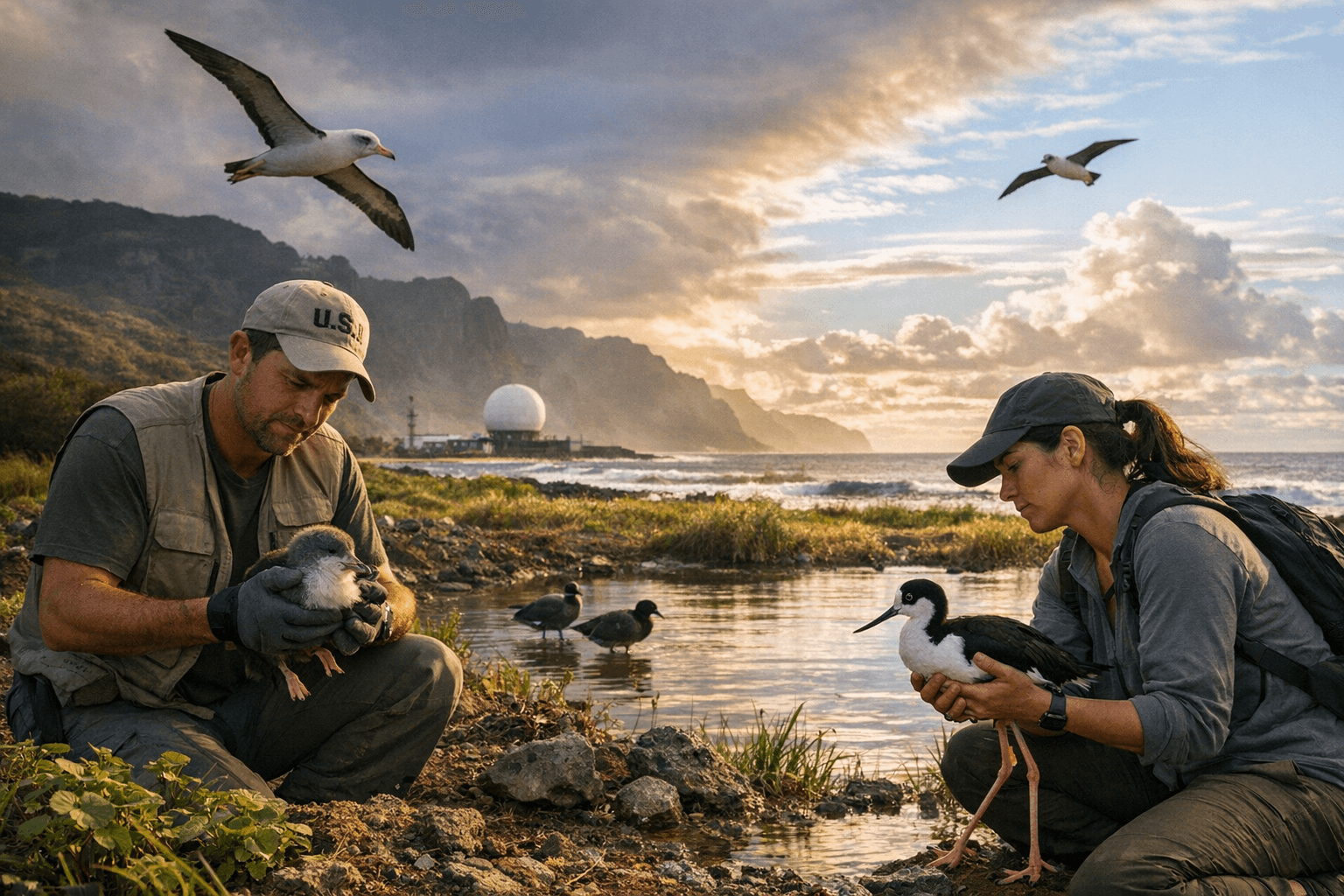
Local implications include strengthened habitat protections for species that make Kauaʻi notable for ground-nesting seabirds, and potentially fewer disruptive bird strikes for PMRF operations. Friends of Kauaʻi Wildlife Refuges also brings local capacity to the work; the nonprofit manages the Friends Nature Store and Visitor Center at Kīlauea Point NWR, supports environmental education, runs community outreach and administers an annual scholarship.
The Navy’s announcement noted the REPI funding but included an anomalous phrase, “Department of War (DoW), Office of the Secretary of War,” language that appears to be an editorial error in that release and does not match the usual administrative naming for REPI partnerships.
For Kauaʻi readers, the award means a funded effort to protect nesting seabirds and reduce risks to aviation operations nearby. The cooperative agreement establishes roles and funding; details such as project timeline, specific species targeted, and milestones remain to be released as FKWR and the Fish and Wildlife Service implement the multi-year work.
Know something we missed? Have a correction or additional information?
Submit a Tip