U.S. officials confirm Americans among four killed, six wounded in Cuba boat shootout
U.S. officials confirm Americans are among four people killed and six wounded in a shootout aboard a boat in Cuban waters, raising urgent consular and diplomatic questions.
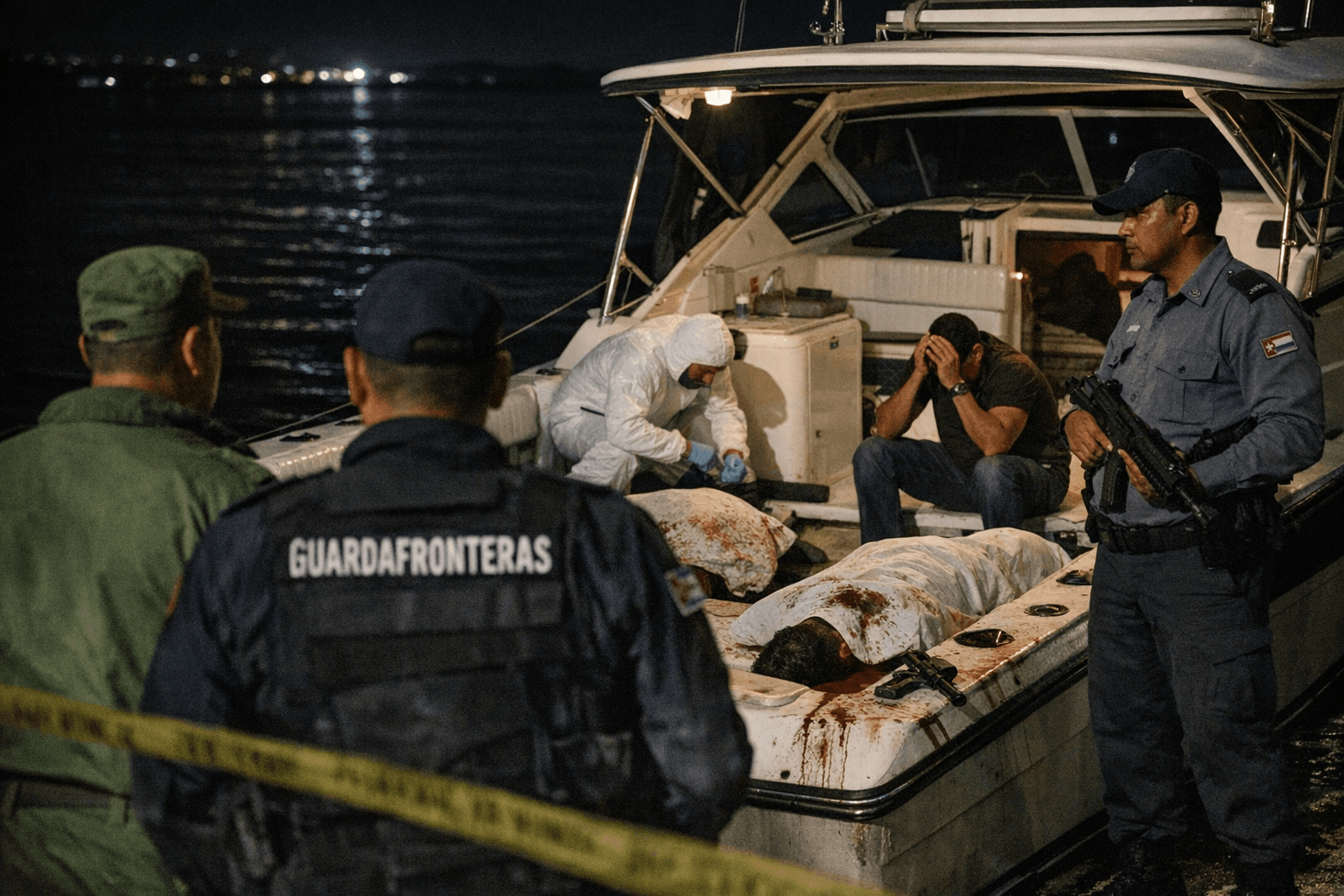
U.S. officials confirmed today that Americans are among four people killed and six others wounded in a shootout aboard a boat in Cuban waters, Cuban authorities said, prompting immediate consular notifications and an unfolding diplomatic inquiry. Cuban officials reported the confrontation occurred on Wednesday and identified the casualty count as four dead and six injured among those aboard the vessel.
The presence of U.S. citizens among the dead and injured creates an acute set of institutional responsibilities for the State Department and the U.S. embassy in Havana, which must coordinate with Cuban authorities on victim identification, medical care, and repatriation if requested. Under long-standing international practice, the State Department typically provides consular assistance to Americans overseas, including emergency passport services and coordination with local officials; officials said today that they were working to verify identities and notify families.
The incident sharpens scrutiny of maritime safety and law enforcement in the region, where irregular voyages and interdictions have long posed complex legal and humanitarian challenges. Analysts say the case will test cooperation mechanisms between Washington and Havana that have at times been strained by political differences and sanctions policy. Any delay in information sharing, medical evacuation, or forensic work could complicate families' ability to obtain timely answers and repatriate remains.
Beyond immediate consular demands, the episode has policy implications for U.S. migration and border enforcement debates. Large numbers of maritime departures from Cuba and other Caribbean points have fueled domestic political arguments over migration control and border security, and a violent incident that claims American lives is likely to add urgency to calls for clearer protocols on rescue, interdiction, and cross-border investigations. Congressional overseers may press for briefings on what happened and whether federal agencies had prior intelligence or a role in prevention.
The legal status of those aboard the vessel will also shape the response. If the boat was engaged in an irregular migration attempt, Cuban and U.S. authorities must navigate competing obligations under humanitarian norms and national security protocols. If criminal activity or organized smuggling is suspected, the incident will trigger law enforcement inquiries that raise questions about jurisdiction, evidence collection, and access for family members and their representatives.
For the Cuban government, the confrontation is politically sensitive at home. Public disclosure of casualties linked to maritime incidents can inflame public concern and influence internal debates about border control, search and rescue capability, and the oversight of coastal security forces. For U.S. political actors and civic groups, particularly in Cuban-American communities, confirmed American casualties will likely intensify demands for transparency and faster government action.
At stake for ordinary families are immediate human needs: medical treatment for the wounded, reliable information for next of kin, and a transparent investigation into what led to the shootout. The incident underscores enduring governance gaps in maritime safety and the heavy human cost when institutional coordination falters.
U.S. and Cuban officials have not released detailed accounts of the circumstances that led to the shooting. As verification and investigations proceed, policymakers face urgent choices about consular care, cross-border cooperation, and whether current frameworks for handling maritime incidents adequately protect lives and provide accountability.
This article was produced by Prism’s automated news system from verified source data, official records, and press releases, then run through automated quality and moderation checks before publishing. The system is built and supervised by the people who set the standards it runs under. Read our full AI policy.
Did this article answer your question?