US Oil Embargo Since January Deepens Social and Economic Divisions in Cuba
The Economist reports that US oil sanctions imposed in January are causing fuel shortages, power cuts and food scarcity as the Cuban state retreats from services.

“The Economist reports that US oil sanctions imposed in January are deepening social and economic divides as the state retreats from services. Cubans face shortages while inequalities grow. The analysis highlights pressures on the communist system.” That summary, published and circulated by The Economist on its social channels, frames the core claim: Washington’s oil measures imposed in January are now being reported as intensifying everyday scarcities across Cuba.
Economist social captions repeated the claim in tighter language, stating that “Divisions are widening in Cuba as the oil embargo that America imposed in January bites and the state retreats.” Those captions appeared on Facebook, LinkedIn and Instagram alongside a photo credited as “Photo: AP,” according to the LinkedIn preview captured with The Economist’s post. The LinkedIn preview also recorded that The Economist’s page has 13,106,525 followers, underscoring the reach of the piece within professional networks.
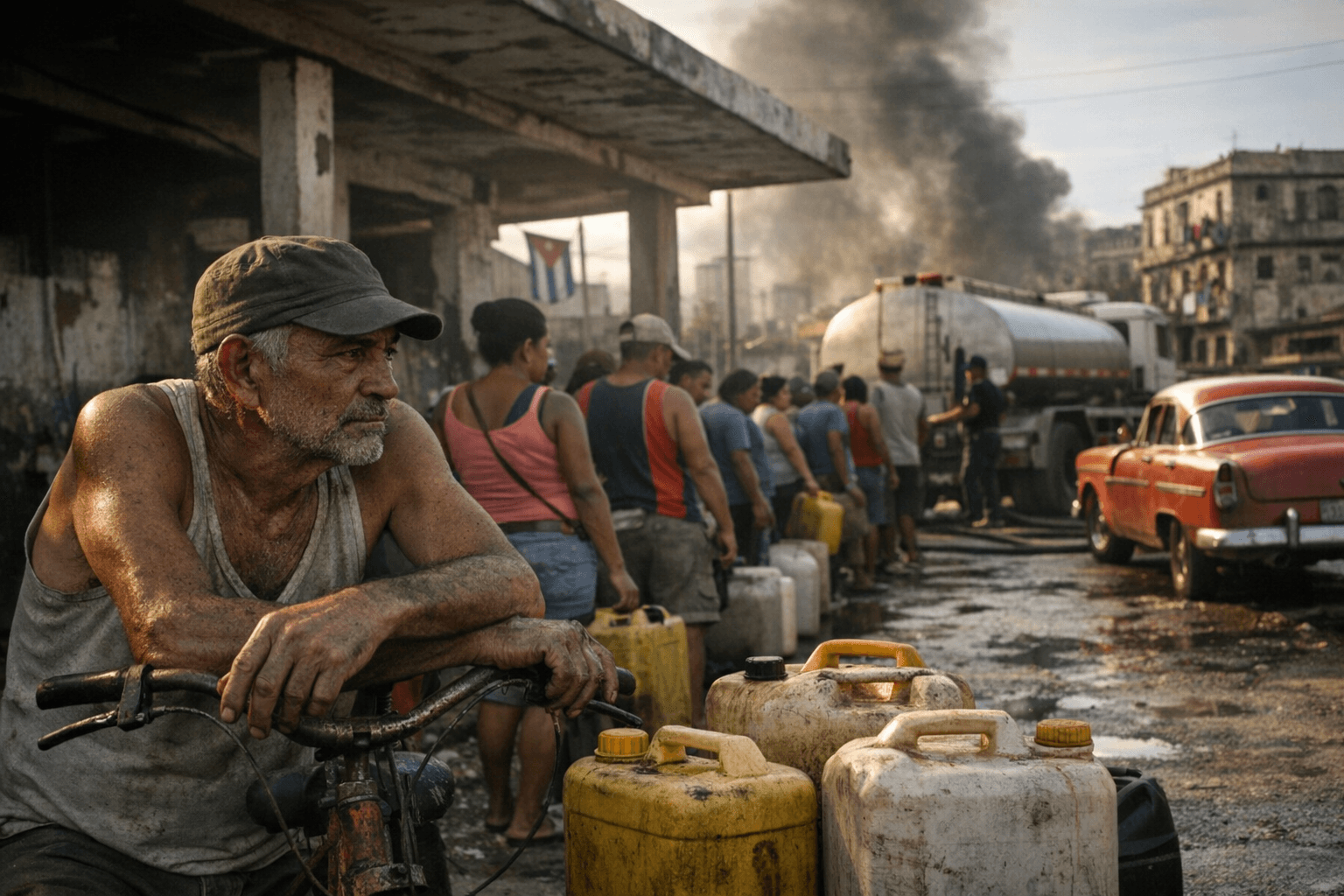
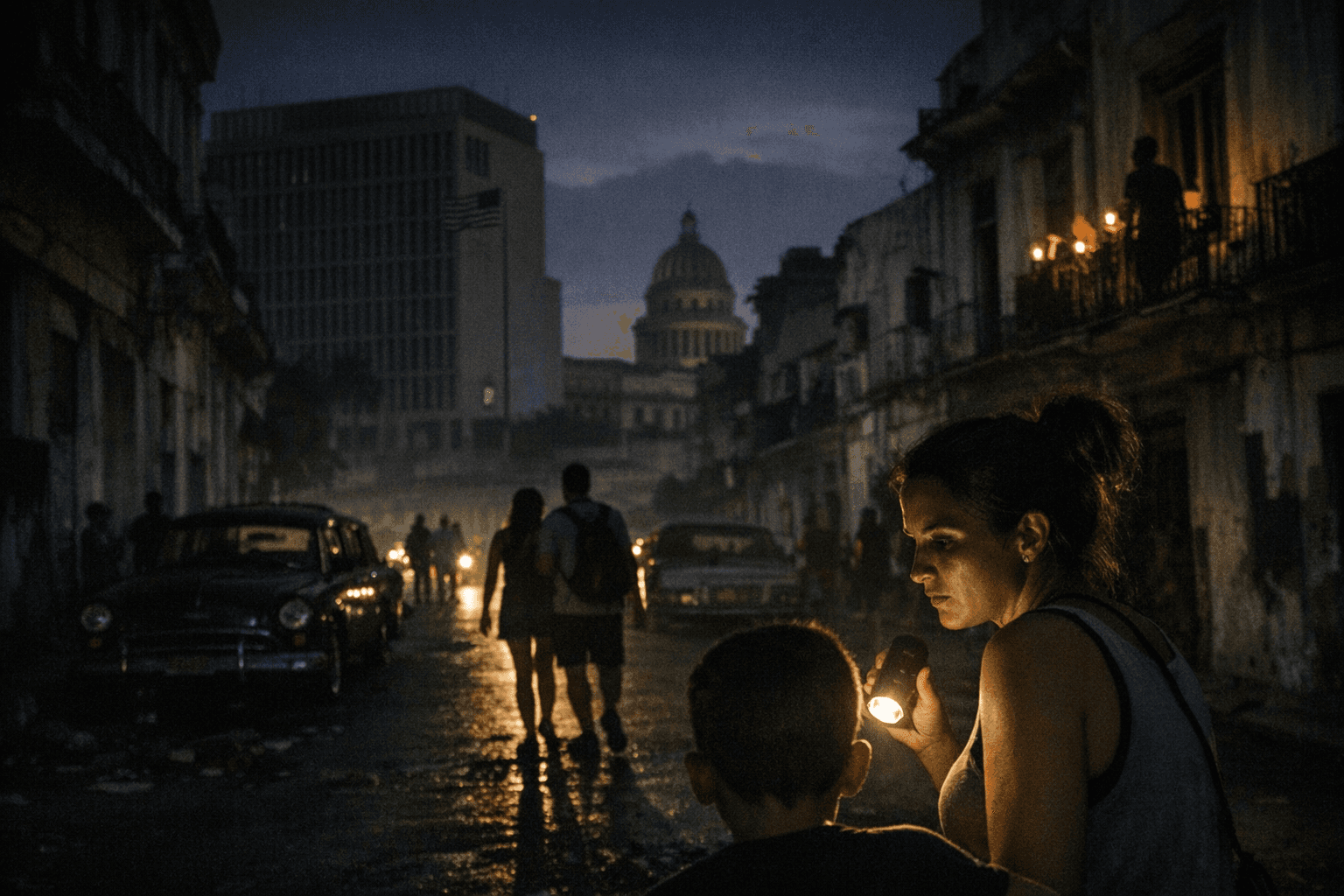
An additional Economist snippet captured in the reporting spells out the immediate effects: “fuel shortages, power cuts and food scarcity” are worsening amid America’s oil embargo and the state’s economic - the line in the capture ends mid-sentence. The three hardships named in that fragment provide the most concrete consequences listed in the material made available: interruptions to fuel supplies, disruptions to electricity provision, and tightening food availability.
The social previews preserved in the notes show the same claim shared across platforms but omit key publication details. The captured items do not include a byline or a publication date for the Economist analysis, and the references to January do not specify a year. The social posts on Facebook and Instagram repeated the caption text used on LinkedIn; the Facebook capture included a short link to the Economist piece, while the LinkedIn preview displayed the AP image credit and the lack of alternative text for the image.

What is not present in the captured material is also notable. There are no named Cuban officials, no quotes from residents, and no statistics quantifying the scale of shortages or the frequency and duration of power cuts. The captures offer no technical description of the legal scope of the US oil sanctions beyond calling them an “oil embargo” or “US oil sanctions imposed in January.” There is no explicit statement from Cuban authorities or from US officials in the items preserved here.
Those absences shape what the Economist’s social framing delivers: a broad analysis that links the January oil measures to widening inequalities and to pressures on Cuba’s political economy, without the granular figures or local testimonies that would quantify impact city by city. The repeated phrase that “the state retreats” positions service contraction as a mechanism by which shortages translate into greater social division.
Taken together, the captured Economist posts present a clear analytical line: America’s oil measures imposed in January are being reported as a catalyst for fuel shortages, power cuts and food scarcity, and that sequence is presented as heightening strains on the communist system. The material leaves open the next steps for verification: identifying the article’s byline and date, confirming the AP photo details, and locating on-the-ground data to measure how those named shortages are affecting households across Cuban provinces.
Know something we missed? Have a correction or additional information?
Submit a Tip