U.S. pending home contracts fall to five-month low, signaling cooling demand
Contracts to buy previously owned homes dropped sharply in December, highlighting weak buyer activity and tight, uneven inventory across regions.
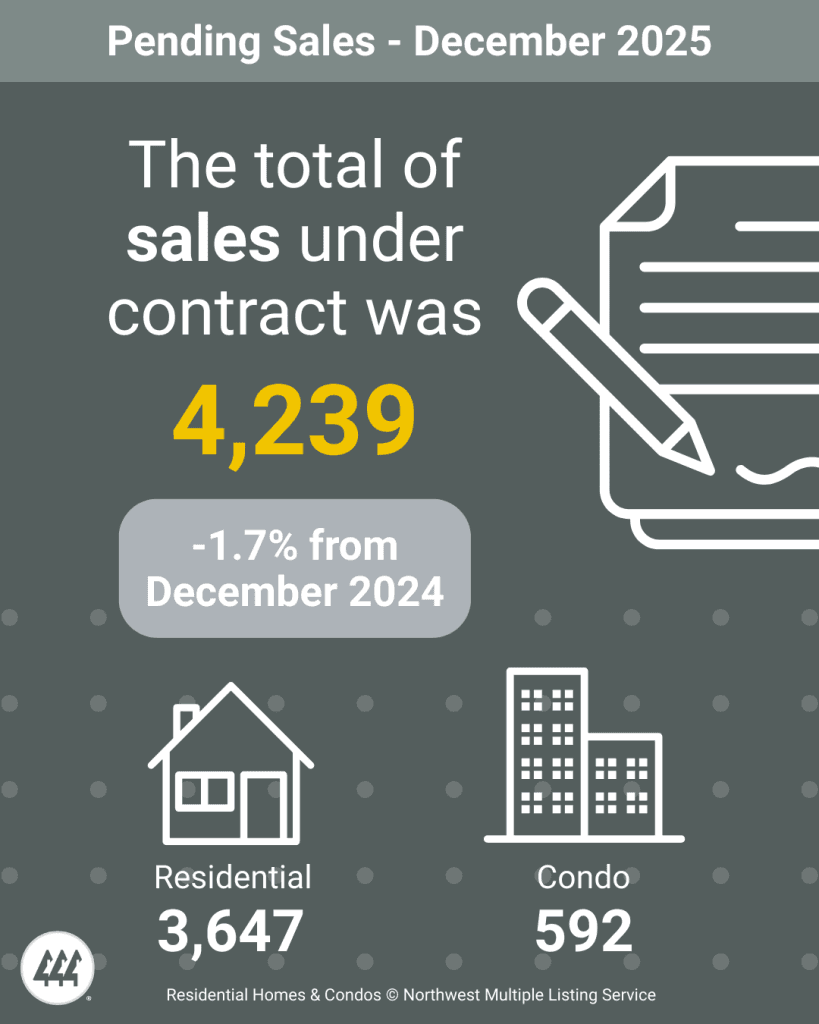
Contracts to purchase previously owned U.S. homes plunged in December, with industry measures showing steep declines and the weakest readings in months or on record outside the pandemic period. The National Association of Realtors (NAR) and Redfin both reported marked drops, though the two organizations measure activity differently and therefore show different magnitudes of decline.
NAR said in a report dated January 21, 2026 (Washington) that its Pending Home Sales Index fell 9.3% month-over-month to a reading of 71.8, the lowest index level since July. NAR also reported a 3.0% year-over-year decrease in pending home sales for December 2025. Redfin, in a press release dated January 15, 2026 (Seattle), reported a 5.9% month-over-month decline to a seasonally adjusted count of 457,538 pending contracts, “the lowest seasonally adjusted level on record except April 2020,” based on Redfin records dating to 2012, and a 7.4% year-over-year drop.
The divergent percentages reflect methodological differences: NAR publishes an index series that extends back to 2010, while Redfin reports seasonally adjusted counts with a historical span beginning in 2012. Both series, however, point to materially softer contract activity at the end of 2025.

Regionally, NAR reported declines in all four U.S. Census regions in December, with the Midwest down 14.9% month-over-month and 9.8% year-over-year, the West down 13.3% month-over-month and 5.1% year-over-year, the Northeast down 11.0% month-over-month and 3.6% year-over-year, and the South down 4.0% month-over-month but up 2.0% year-over-year. Commentary outside NAR noted the Midwest reading marked a new low in the NAR series for that region.
Inventory measures were likewise mixed. NAR figures, as reported by CNBC, show 1.18 million homes on the market in December, down 9% from November and matching the lowest inventory level of 2025. Redfin’s measure of active listings was 1,973,715 seasonally adjusted, down 1.1% month-over-month but up 3.9% year-over-year, underscoring how different data definitions can produce contrasting pictures of supply.
Redfin also highlighted elevated cancellations: roughly 40,000 purchases were canceled in December, equal to 16.3% of contracts that month, the highest December share in Redfin records dating to 2017. Other Redfin metrics for December included a median sale price of $428,742, median days on market of 60, months of supply at 2.8, and an average sale-to-final-list-price ratio of 98.2%.

NAR chief economist Lawrence Yun cautioned that the sector remained fragile, saying, “The housing sector is not out of the woods yet. After several months of encouraging signs in pending contracts and closed sales, the December new contract figures have dampened the short-term outlook.” He added, “Consumers prefer seeing abundant inventory before making the major decision of purchasing a home. So, the decline in pending home sales could be a result of dampened consumer enthusiasm about buying a home when there are so few options listed for sale.”
Beyond market mechanics, the weakness has social implications. Limited inventory and rising cancellations constrain mobility for lower-income buyers and renters seeking stable housing, while regional disparities can deepen housing inequities. Policymakers focused on affordability and community stability will face renewed pressure to boost supply, preserve existing affordable units, and consider supports that reduce transaction fragility for buyers and sellers alike.
This article was produced by Prism’s automated news system from verified source data, official records, and press releases, then run through automated quality and moderation checks before publishing. The system is built and supervised by the people who set the standards it runs under. Read our full AI policy.
Did this article answer your question?