U.S., Philippine drills showcase missile system near Taiwan in Batanes
U.S. and Philippine forces put NMESIS on Batanes, just 100 miles from Taiwan, turning a routine drill into a visible deterrence signal.
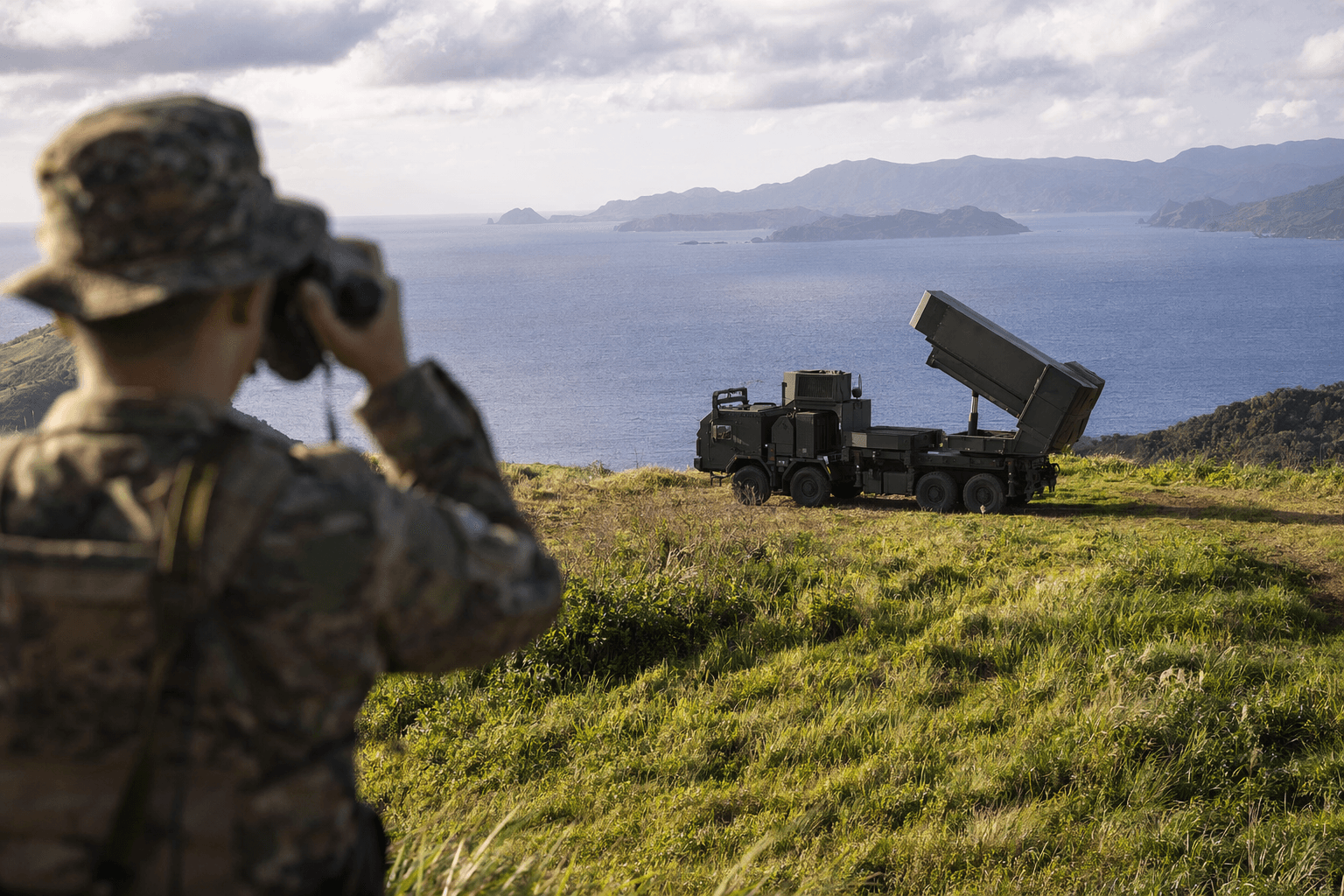
Philippine and U.S. forces placed a highly mobile anti-ship missile system in Batanes, a province of about 20,000 people that sits roughly 100 miles south of Taiwan, sharpening the military meaning of this year’s Balikatan drills. The deployment put NMESIS on one of the Philippines’ northernmost outposts and sent a clear signal that the alliance is building deterrence around the Luzon Strait, not just rehearsing routine coordination.
The missile system arrived by U.S. C-130 and was positioned in Basco, the provincial capital on Batan Island, where one of Batanes’ two small runways handled the landing. Batanes is made up of three major islands, Batan, Sabtang and Itbayat, and its remote geography has long made it a logistical challenge. The July 27, 2019 earthquakes in Itbayat underscored how vulnerable the province can be, even as that same isolation now makes it strategically valuable in any scenario involving Taiwan.
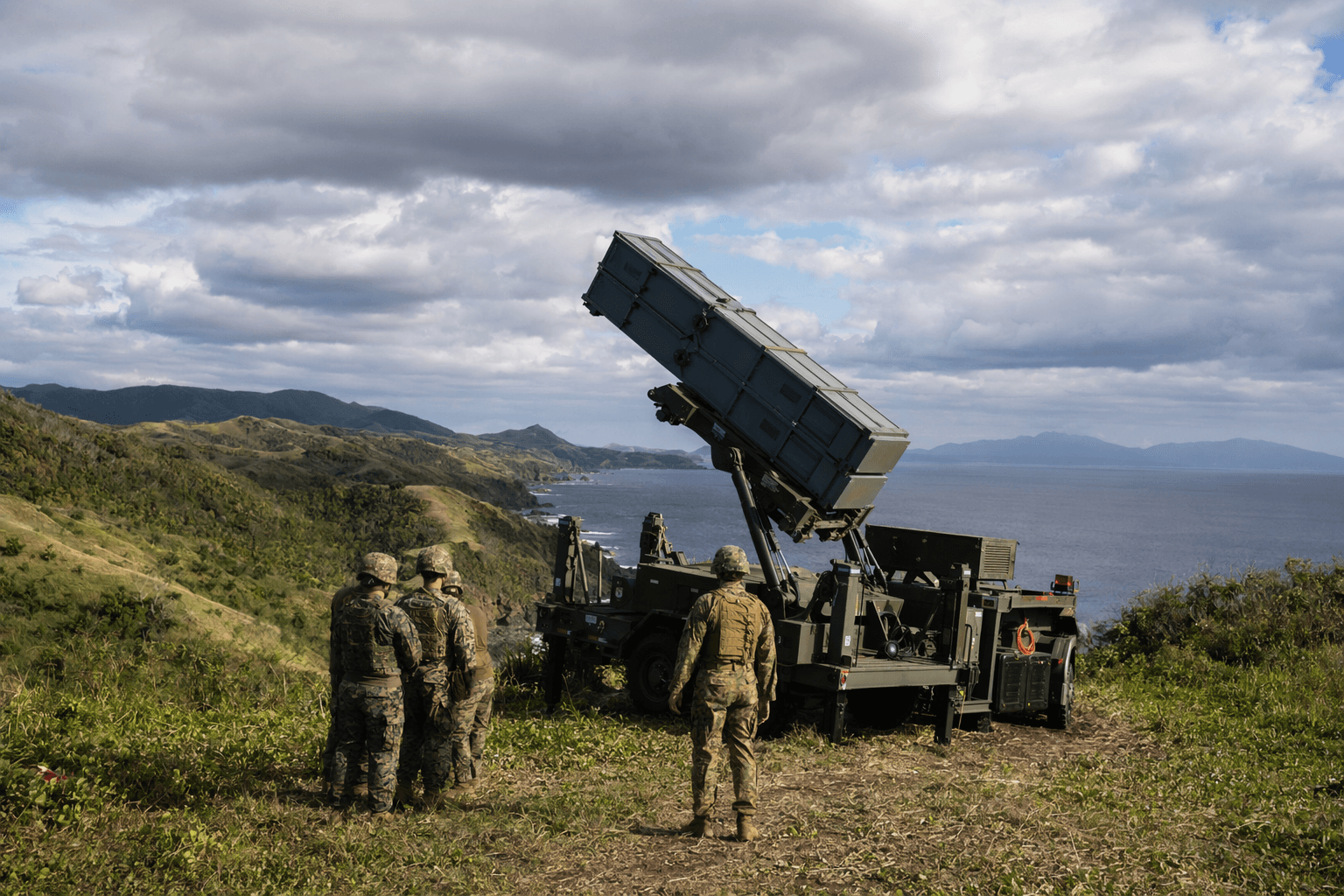
NMESIS is built for that kind of terrain. The Marine Corps describes it as a ground-based anti-ship missile system designed for sea denial in contested littoral environments, with the launcher able to strike surface ships from land at ranges of about 185 kilometers. A U.S. staff sergeant, Darren Gibbs, said the drills offered troops “a different environment” and “unique opportunities,” adding that the system can be controlled remotely without a driver or passenger inside the vehicle. That mobility matters in the Philippines’ northern islands, where small, dispersed positions can be harder to target than fixed bases.
The deployment was part of Maritime Key Terrain Security Operations, a core Balikatan activity focused on sea-denial and control of important maritime terrain. Balikatan 2026 runs from April 20 to May 8 and brings together more than 17,000 personnel from seven countries, with Japan joining as a full partner for the first time alongside Australia, Canada, France and New Zealand. The scale of the exercise and the presence of NMESIS together reflect a deeper shift in alliance planning toward dispersed systems that can operate from islands close to critical sea lanes.
The Marine Corps formally received NMESIS on November 26, 2024, and the 3d Marine Littoral Regiment has since been tied to its fielding as part of a broader push to move long-range anti-ship strike ashore. Earlier Balikatan exercises in 2024 and 2025 also included U.S. anti-ship missile deployments in the northern Philippines, suggesting the Batanes show was not an isolated demonstration but part of a steady pattern. With the Philippines and the United States marking 80 years of diplomatic relations in 2026, the alliance is now putting more visible hardware in the places Beijing would have to watch first.
This article was produced by Prism’s automated news system from verified source data, official records, and press releases, then run through automated quality and moderation checks before publishing. The system is built and supervised by the people who set the standards it runs under. Read our full AI policy.
Did this article answer your question?


