U.S. picks five firms, including Oklo, for plutonium fuel talks
Five companies, including Oklo, were chosen to explore turning surplus Cold War plutonium into reactor fuel, a move with major security and cost stakes.
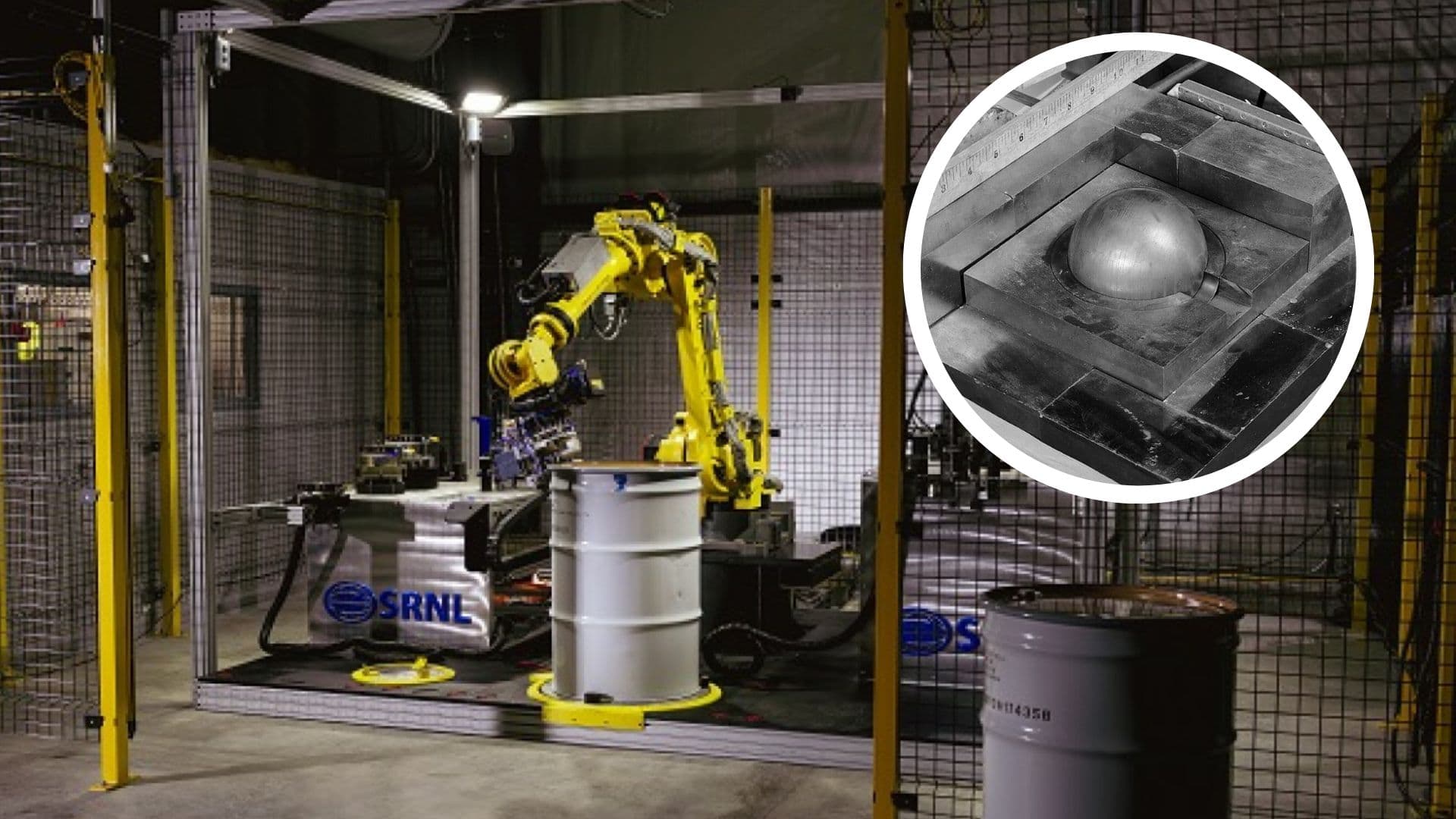
The federal government has opened talks with five companies, including Oklo, over a plan that would turn Cold War-era plutonium into fuel for advanced nuclear reactors. The wager is simple and fraught at once: transform a weapons-era liability into civilian electricity, or risk creating a new proliferation and safeguards problem around one of the world’s most dangerous materials.
The push marks a sharp break from the long-running dilute-and-dispose program, which was built to render surplus plutonium unusable and bury it as waste. President Donald Trump ordered that effort halted and directed officials to make roughly 20 metric tons of plutonium from dismantled nuclear warheads available to U.S. power firms instead. One reporting source put the amount under consideration at 19.7 metric tons.
Officials have framed the effort as the Surplus Plutonium Utilization Program, with the material intended for advanced-reactor developers rather than today’s conventional fleet. The idea is not entirely new: plutonium has been converted into commercial reactor fuel before, but only in short-lived tests. What is different now is the scale and the political intent, with the administration seeking to speed reactor deployment and loosen one of the biggest fuel-supply constraints facing next-generation nuclear projects.

Oklo, which is based in Santa Clara, California, said it had been selected for advanced talks with the Energy Department and has been conducting plutonium criticality tests with Los Alamos National Laboratory in Los Alamos, New Mexico. The company has also argued that legacy plutonium stockpiles have imposed significant costs on taxpayers for decades. The government has not said which of the five firms will ultimately receive material, but previous reporting said recipients could be announced by year-end.
The proposal has immediately drawn scrutiny from nonproliferation experts, who warn that weapons-grade plutonium brings serious security and safeguards risks if it is moved from a disposal pathway into a civilian fuel cycle. Supporters see a chance to help advanced reactors secure fuel and to convert a long-standing nuclear-security burden into a usable energy asset. Whether the program becomes a breakthrough or another expensive detour will depend on whether the technology can prove it can handle the material safely, at scale, and within the strict rules that surround plutonium.
This article was produced by Prism’s automated news system from verified source data, official records, and press releases, then run through automated quality and moderation checks before publishing. The system is built and supervised by the people who set the standards it runs under. Read our full AI policy.
Did this article answer your question?

