U.S. policy disruptions are undermining HIV care in dozens of countries
A 90-day U.S. foreign-aid freeze has already disrupted HIV testing, treatment and prevention in dozens of countries, with UNAIDS tracking weekly damage from country offices.
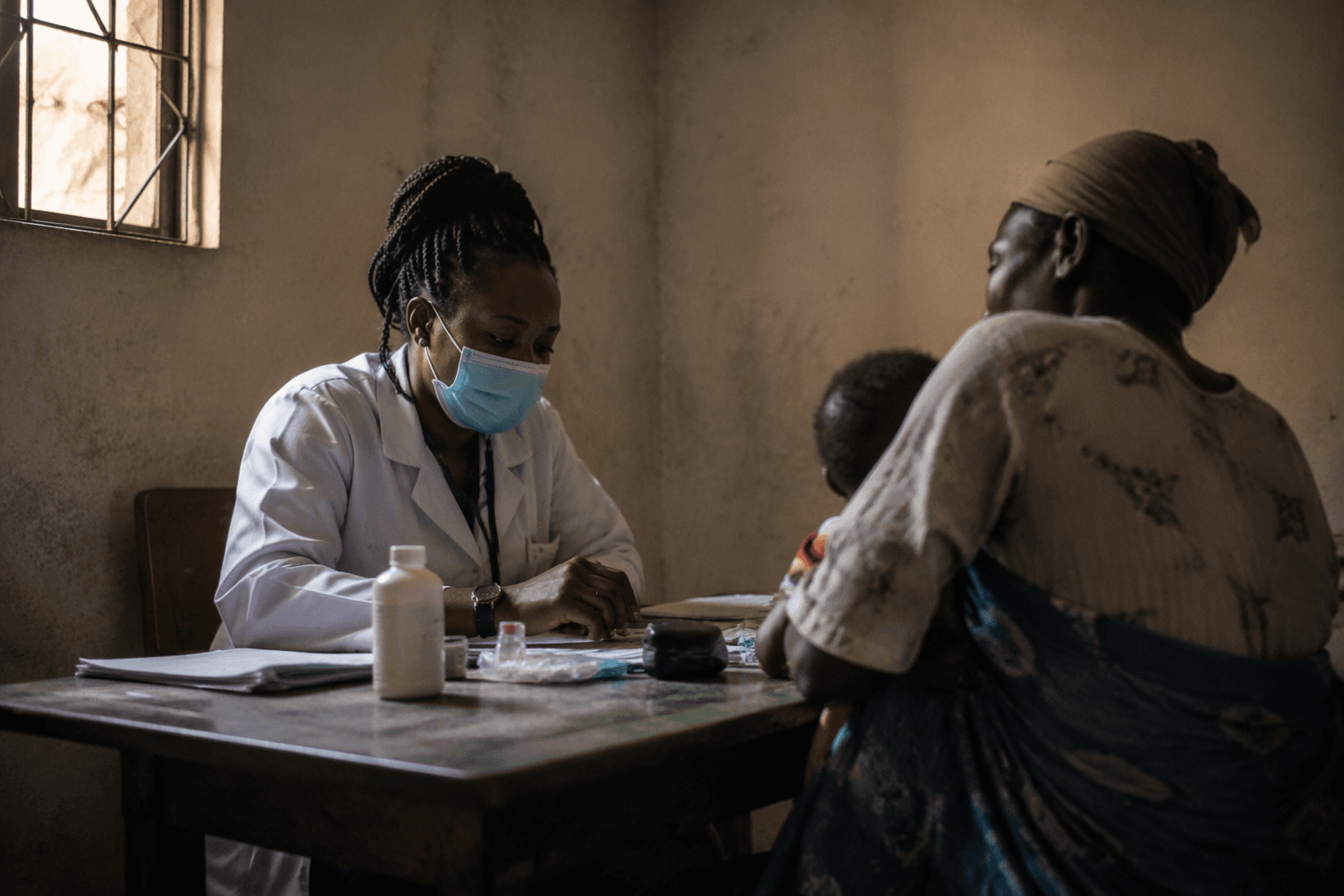
A 90-day freeze on U.S. foreign aid has already disrupted HIV testing, treatment and prevention in dozens of countries. The United States announced the freeze on 20 January 2025, hitting programs that depend on uninterrupted drug delivery, clinic staffing and outreach to keep people on antiretroviral therapy.
The Global HIV Prevention Coalition puts the United States at two-thirds of international financing for HIV prevention in low- and middle-income countries for the past two decades, while PEPFAR, the President’s Emergency Plan for AIDS Relief, has been the flagship of the global response for more than 20 years. In Africa, treatment funding through PEPFAR was already at risk after the aid freeze. Outside support pays for testing, prevention counseling and the supply chain that keeps medicines moving.
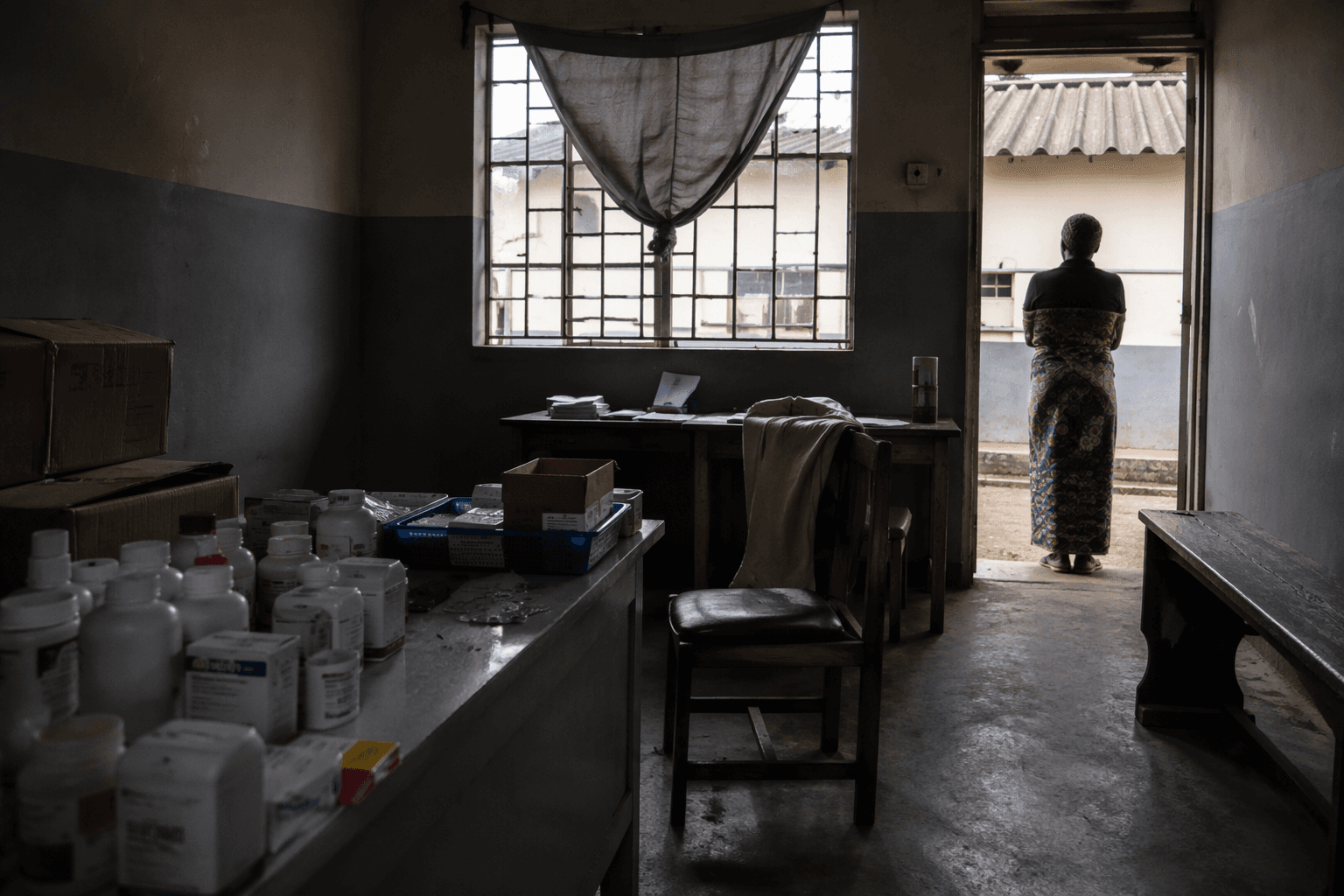
On 18 February, UNAIDS called the freeze devastating for people living with HIV, the organizations that support them and the global response. By 17 March, UNAIDS was releasing weekly reports to track disruptions to HIV testing, treatment and prevention, with country offices documenting clinic closures, staff layoffs, reduced prevention services and drops in testing and treatment. On 28 January, the World Health Organization warned of a potential global threat to people living with HIV.
Pregnant women who need services to prevent mother-to-child transmission, outreach workers who bring testing and education into communities, and clinics that rely on steady shipments of antiretrovirals are among the people most exposed when financing stops or shifts without warning.
Physicians for Human Rights blamed disruptions to PEPFAR under the Trump administration for severe harms, including effects on stigma, physical violence and public trust, and urged Congress to protect life-saving programs. The group also warned that U.S. global health funding cuts in South Africa were creating a looming crisis.
This article was produced by Prism’s automated news system from verified source data, official records, and press releases, then run through automated quality and moderation checks before publishing. The system is built and supervised by the people who set the standards it runs under. Read our full AI policy.
Did this article answer your question?