U.S. presses China to help reopen Strait of Hormuz amid shipping crisis
A 20-million-barrel-a-day chokepoint is testing whether China will lean on Iran or keep relying on U.S. naval protection as oil and LNG flows stall.

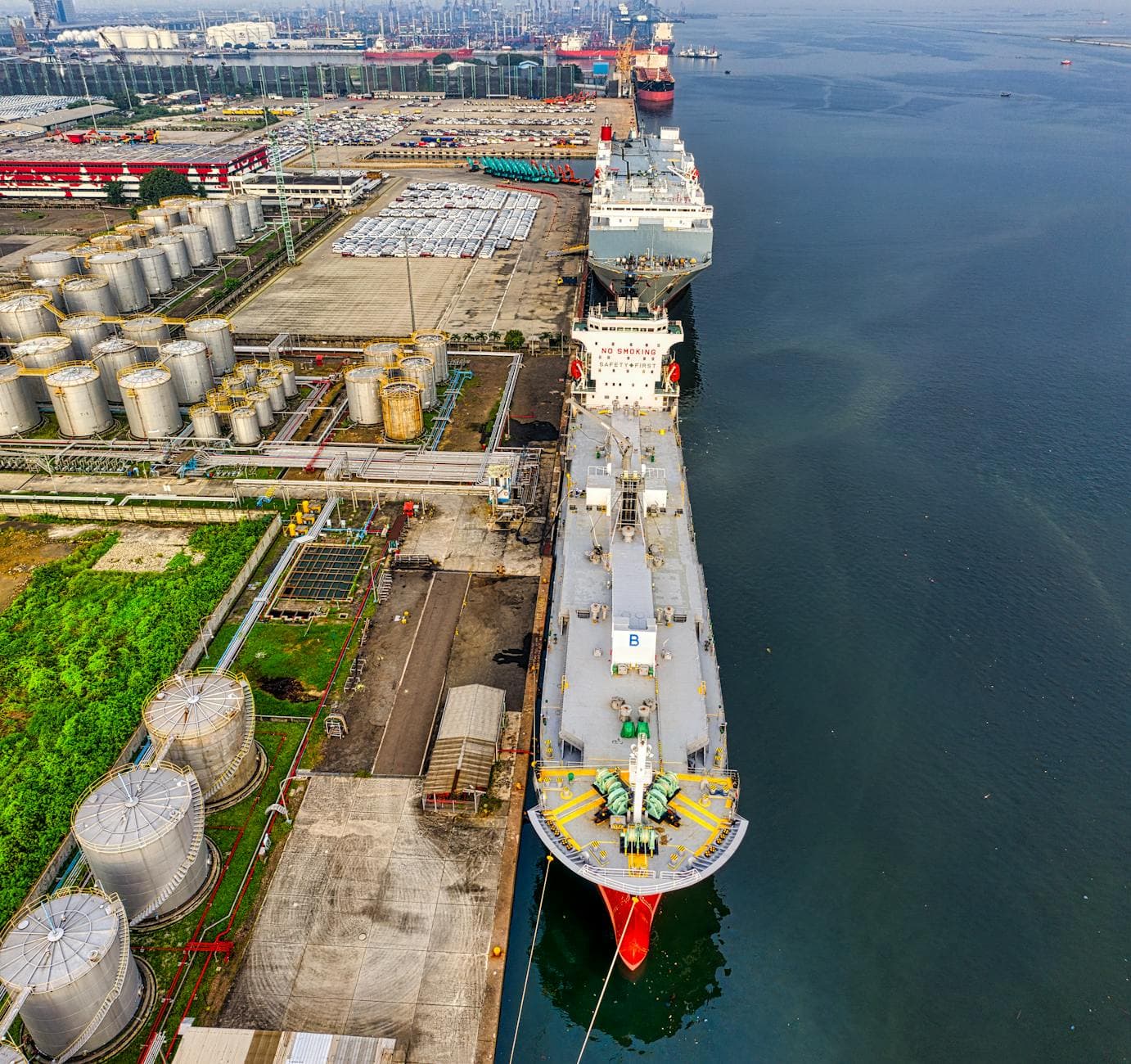
The Strait of Hormuz has become the most dangerous pressure point in global energy, with about 20 million barrels a day of oil moving through it in 2024 and roughly one-fifth of global LNG trade also passing the waterway, mostly from Qatar. As flows have fallen from around 20 mb/d before the conflict to a trickle, the risk is not just to tankers in the Gulf but to oil prices, shipping insurance and U.S. consumers who would absorb the cost of a tighter market.
Secretary of State Marco Rubio said the United States had pressed China to take a more active role in resolving the crisis and reopening the strait. The message from Washington is that a disruption at one of the world’s most important energy chokepoints cannot be managed by the U.S. Navy alone, especially when the stakes extend from crude supply to global freight costs and refinery margins.
The Trump administration has already elevated the issue at the United Nations. On May 5, the United States proposed a UN Security Council resolution to defend freedom of navigation and secure the Strait of Hormuz, with the State Department warning that Iran was trying to hold the world economy hostage by threatening to close the waterway. The diplomatic push reflects a simple fact: the strait carries about 20 mb/d, or roughly 25% of world seaborne oil trade, and around 80% of that oil is headed for Asia.
China has its own reason to worry. Iranian Foreign Minister Abbas Araghchi traveled to Beijing and met Chinese Foreign Minister Wang Yi on May 6, and China called for a ceasefire and for the strait to be reopened during the visit. That placed Beijing at the center of a test it has long tried to avoid, whether it will use real leverage with Tehran when its own energy lifeline is threatened or continue free-riding on U.S. naval protection.
The timing sharpened the stakes further as Donald Trump and Xi Jinping met in Beijing. For China, the question is not abstract diplomacy but the security of Gulf supplies that feed its economy and much of Asia. For Washington, the answer will reveal whether Beijing wants to act like a global stabilizer when the world’s most important oil artery is under strain, or whether it will stand aside while U.S. power keeps the route open.
This article was produced by Prism’s automated news system from verified source data, official records, and press releases, then run through automated quality and moderation checks before publishing. The system is built and supervised by the people who set the standards it runs under. Read our full AI policy.
Know something we missed? Have a correction or additional information?
Submit a Tip