U.S. probes alleged Thailand route smuggling Nvidia servers to China
U.S. authorities examined a Thailand-linked route that allegedly moved $2.5 billion in Super Micro servers with Nvidia chips toward China, with Bangkok firm OBON Corp. at the center.
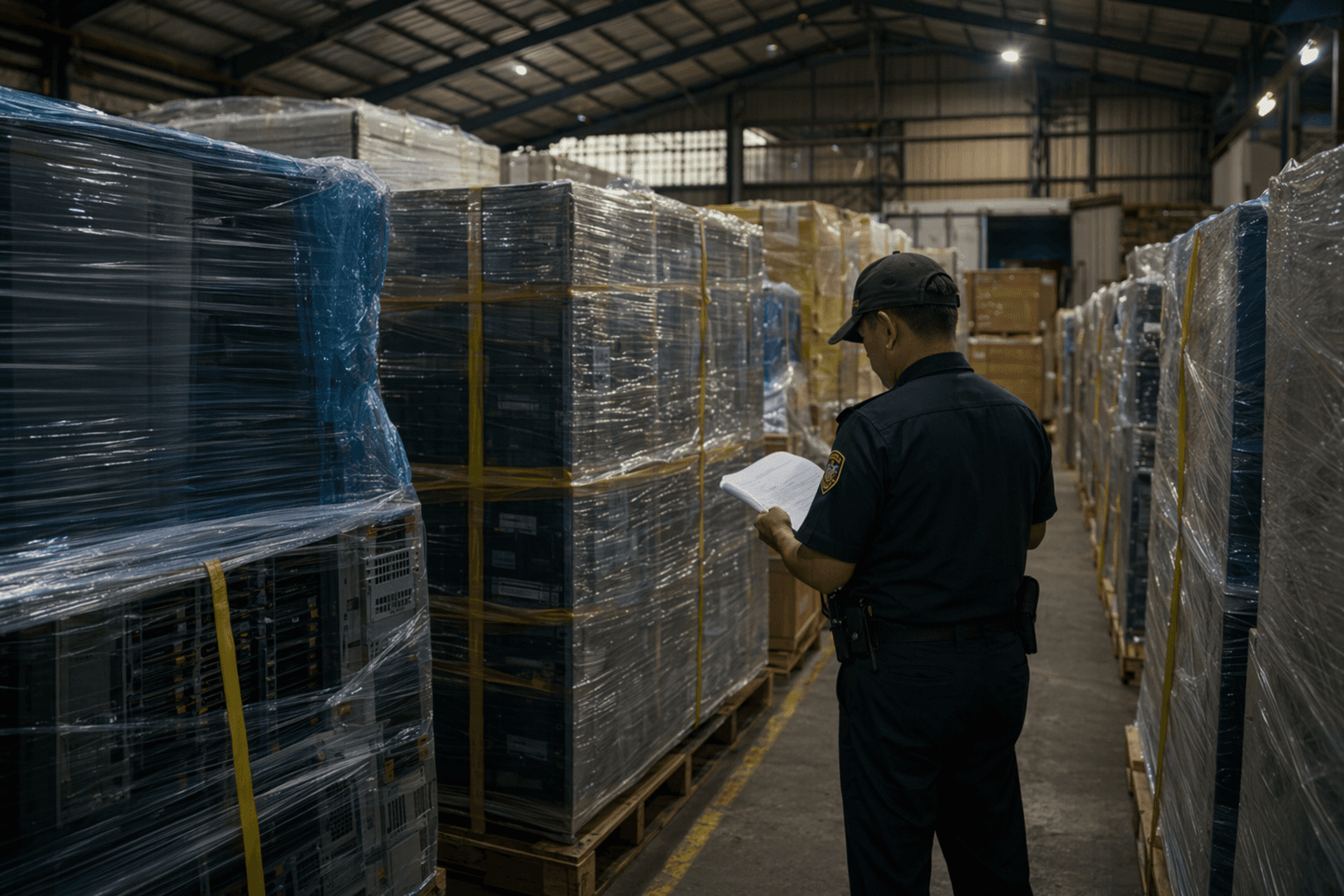
U.S. authorities examined a Thailand-linked channel that allegedly moved billions of dollars’ worth of Super Micro Computer servers with advanced Nvidia chips toward China, exposing how quickly export controls can fray once restricted hardware enters third-country supply chains. The suspected route placed Bangkok and Thailand’s wider logistics network under a sharper spotlight at a time when Washington has tightened pressure on advanced AI technology exports.
The intermediary at the center of the alleged movement was Bangkok-based OBON Corp., a firm linked to Thailand’s national AI push. Prosecutors also used the placeholder Company-1 in related filings, while Bloomberg said Alibaba Group Holding Ltd. was among the end customers. Alibaba denied having business ties with Super Micro, OBON or the third-party brokers named in the indictment, and said banned Nvidia chips had never been used in its data centers.
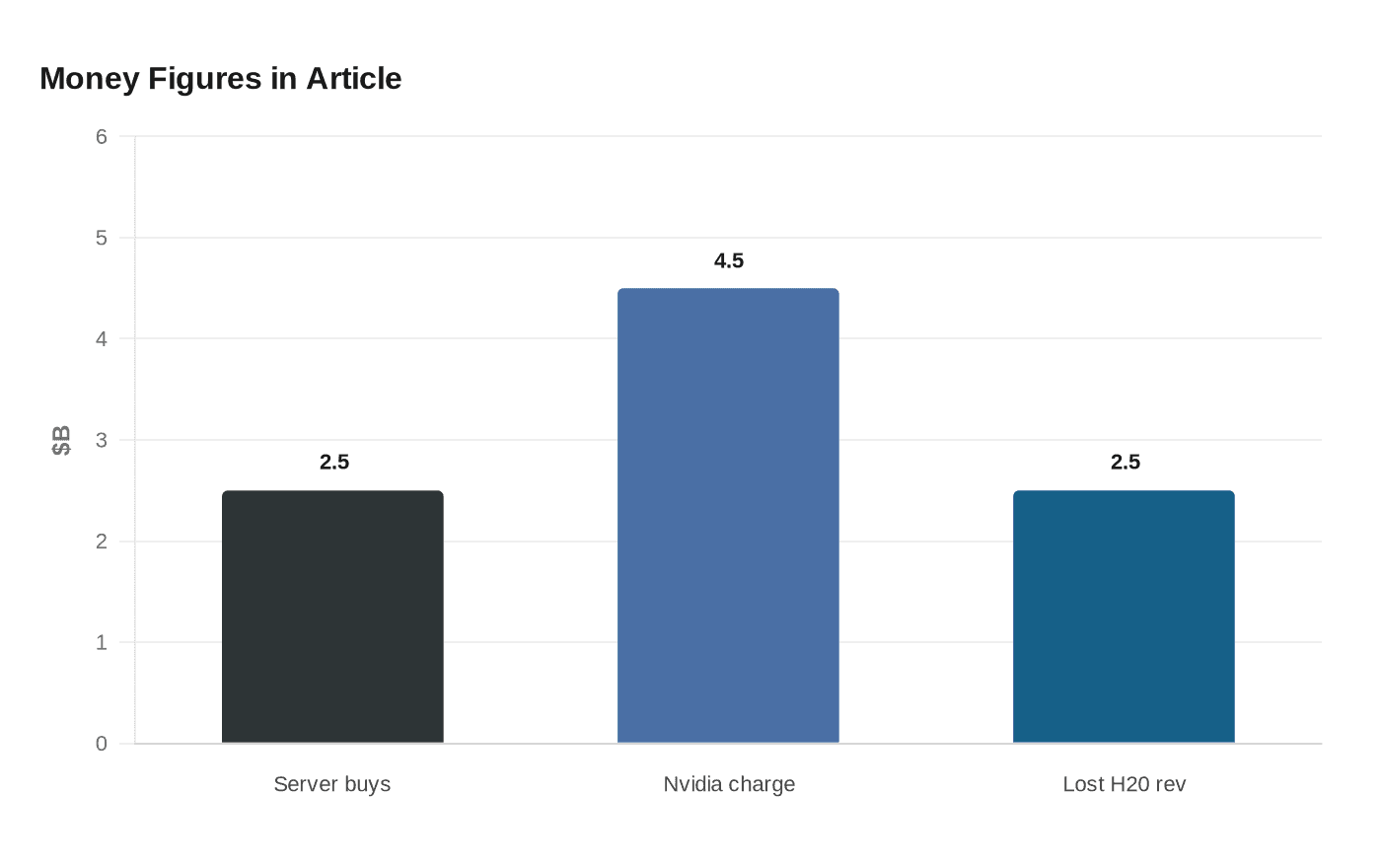
The probe built on a March 19, 2026 indictment in the Southern District of New York that charged Yih-Shyan “Wally” Liaw, Ruei-Tsang “Steven” Chang and Ting-Wei “Willy” Sun with conspiring to unlawfully divert U.S. artificial intelligence technology to China. Liaw was identified as a U.S. citizen, Sun as a citizen of Taiwan, and Chang as a fugitive. Prosecutors said that between 2024 and 2025, Company-1 purchased about $2.5 billion worth of servers from the U.S. manufacturer, and that the scheme involved high-performance servers assembled in the United States and integrating sophisticated U.S. AI technology.
The allegations showed how quickly restricted hardware can move through a chain of brokers, shell buyers and regional intermediaries before reaching an end user. If the case is proved, it would underline the strategic value of Nvidia hardware in the AI race and the difficulty of policing transshipment routes once equipment is relabeled, repackaged or rerouted through Southeast Asia. The Justice Department has separately alleged similar schemes in the region, reinforcing how hard it is for Washington to monitor the flow of advanced chips once they leave U.S. control.
The scrutiny also landed against a backdrop of tighter Nvidia export rules. On May 28, 2025, Nvidia said the U.S. government had told it on April 9, 2025 that a license was required for H20 exports to China, prompting a $4.5 billion charge tied to excess inventory and purchase obligations and leaving the company unable to ship another $2.5 billion of H20 revenue in that quarter. Thailand’s digital-development agencies have been promoting the country as an AI and digital hub, but the alleged smuggling route suggested that the same regional ambitions can also create openings for sanctions evasion.
This article was produced by Prism’s automated news system from verified source data, official records, and press releases, then run through automated quality and moderation checks before publishing. The system is built and supervised by the people who set the standards it runs under. Read our full AI policy.
Did this article answer your question?

