US prosecutes traveler over phone wipe at Atlanta airport border search
Federal prosecutors say an Atlanta resident used a GrapheneOS duress code to wipe his phone when border agents tried to search it at Hartsfield-Jackson.
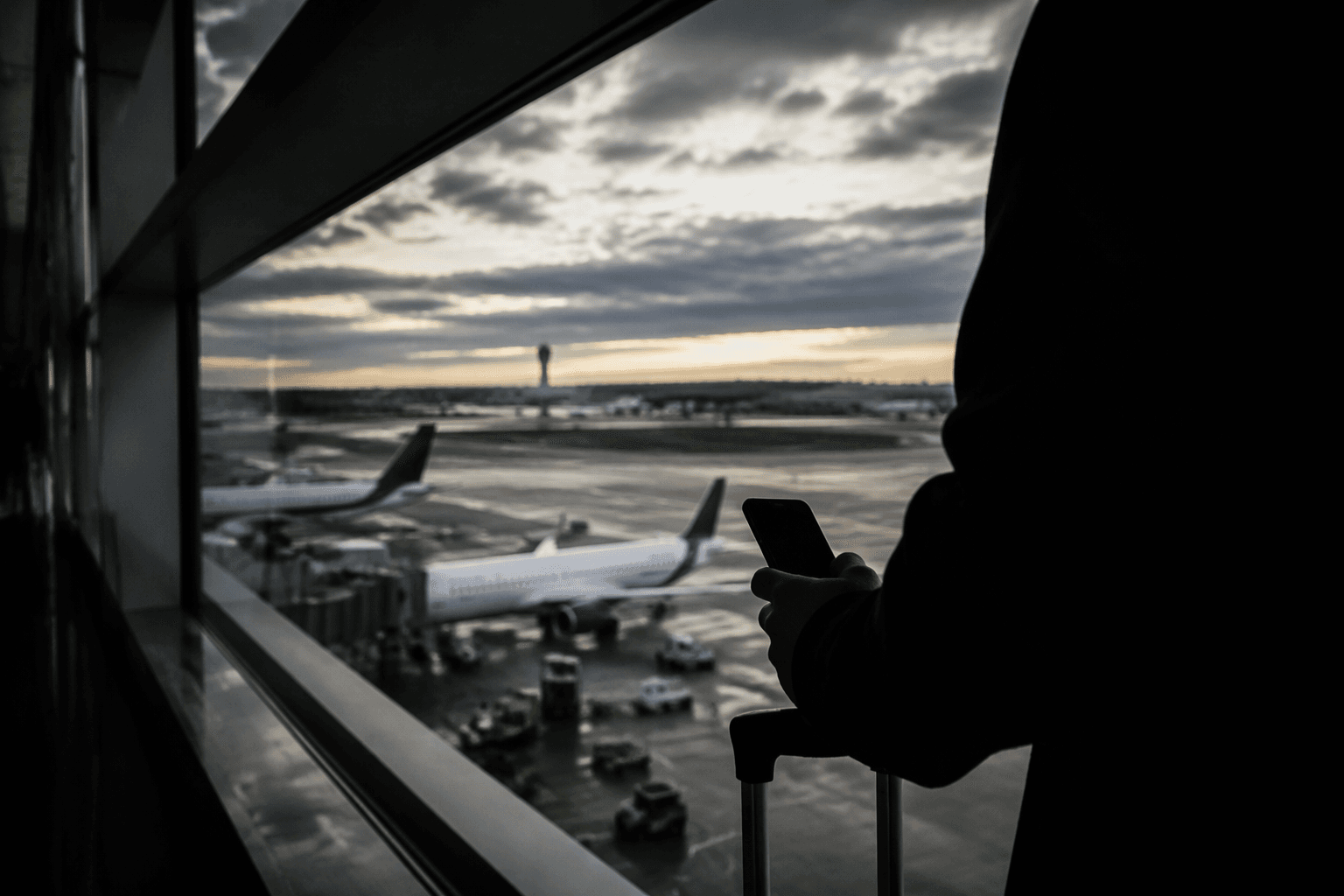
U.S. prosecutors are pursuing Samuel Tunick over a phone wipe tied to a border search at Hartsfield-Jackson Atlanta International Airport, a case that could test how far agents can go when they demand access to a traveler’s device. Federal agents detained Tunick at the airport on Jan. 24, 2025, and questioned him about child exploitation images, then took the phone involved in the encounter.
Tunick’s lawyers have moved to suppress evidence from the incident, arguing the detention and seizure were unlawful. Their filing says the case began with an airport stop that crossed constitutional lines, and one summary of the defense says agents denied Tunick legal counsel and Miranda rights during the detention. The same defense summary says the investigation was aimed at Tunick’s environmental activism and his connection to Cop City protest activity.
The prosecution is drawing attention because the phone was running GrapheneOS, an Android-based operating system that includes a duress PIN or password designed to wipe data under coercive circumstances. Later coverage says the case is believed to be the first U.S. prosecution involving a duress password used during a border search, raising a rare clash between border-search powers, compelled access and self-incrimination concerns. If the government can punish a traveler for using a built-in privacy feature after agents demand a passcode, the case could shape how ordinary travelers weigh device security against the reach of customs searches.
A GrapheneOS community post described what happened next on the device: after the duress PIN was entered, the screen went blank, flashed several times and appeared to restart. That account has become part of the technical backdrop to the case, because the government is treating the wipe as the act under scrutiny while Tunick’s lawyers argue the search itself was unlawful.
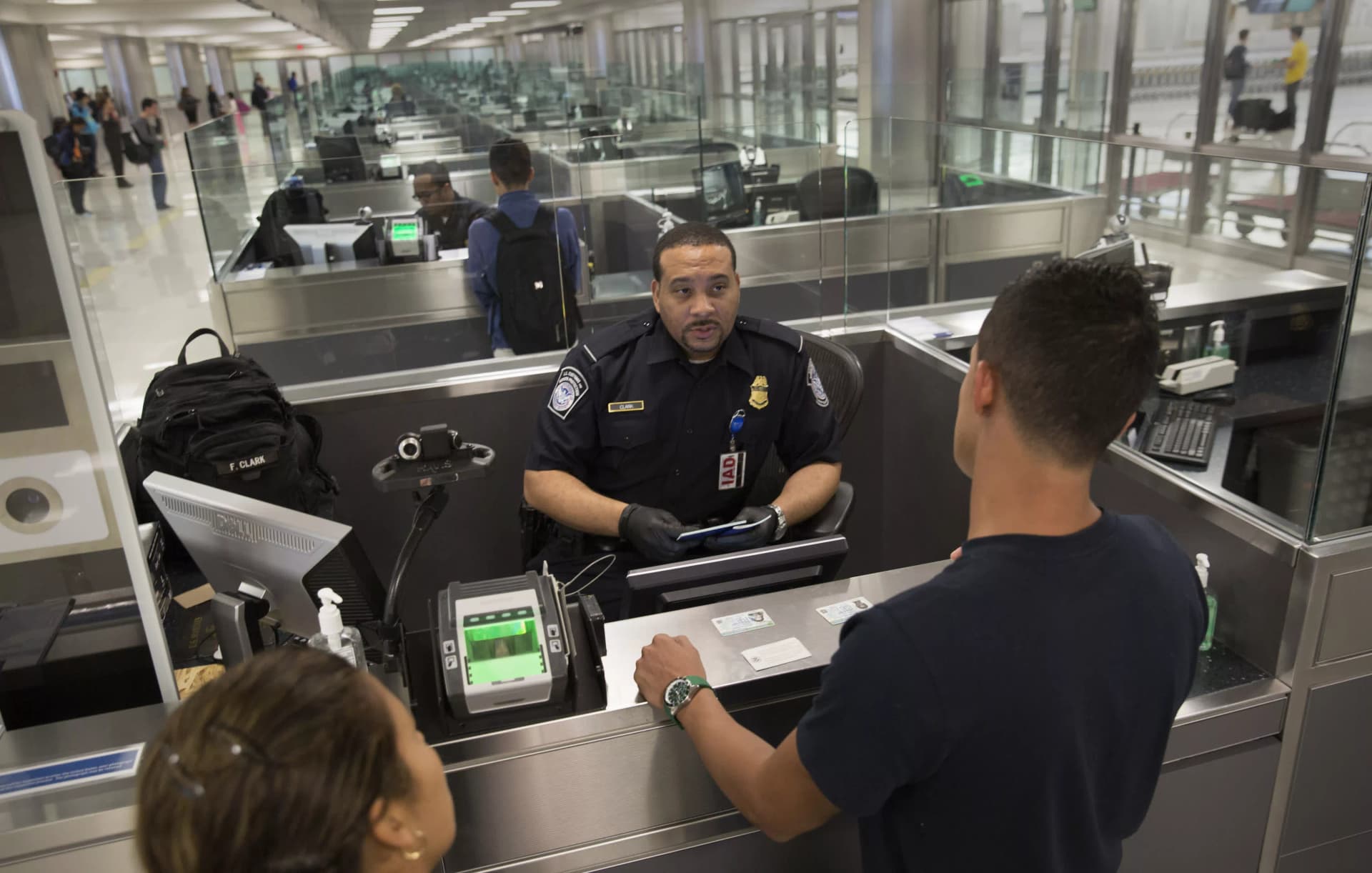
Later reporting describes Tunick as an Atlanta resident and activist. The case now sits at the center of a national fight over border privacy, with federal authorities asserting search power at the airport and Tunick’s defense pressing the limits of compelled digital access at the edge of the country.
This article was produced by Prism’s automated news system from verified source data, official records, and press releases, then run through automated quality and moderation checks before publishing. The system is built and supervised by the people who set the standards it runs under. Read our full AI policy.
Did this article answer your question?