U.S. Pushback on EU Tech Rules Deepens Transatlantic Rift
The U.S. administration and several large technology companies have stepped up criticism of the European Union’s new digital rulebook, framing enforcement of the DSA, DMA and the proposed EU AI Act as coercive toward U.S. platforms. The clash is prompting a reassessment in Brussels about whether vigorous regulation is undermining competitiveness, raising stakes for global speech, market access and transatlantic cooperation.
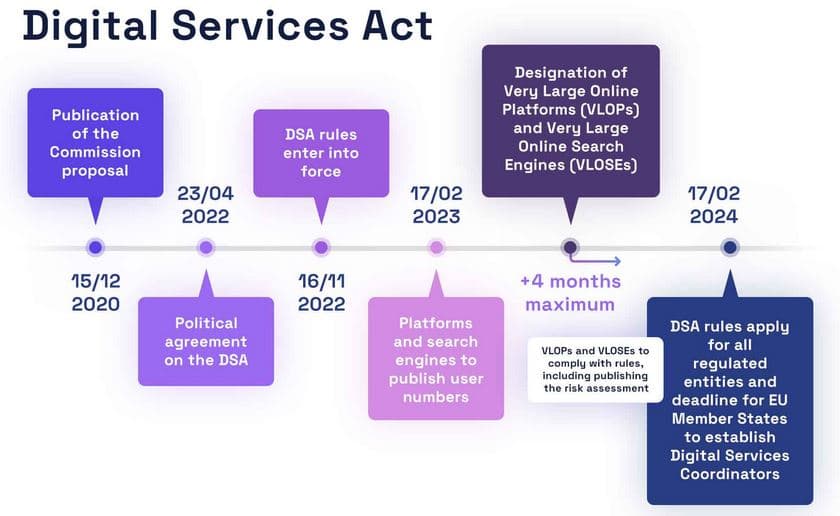
Washington has mounted a public challenge to Brussels over the enforcement of the European Union’s recent digital laws, escalating a dispute that threatens to reshape global technology governance. U.S. officials have characterized enforcement actions under the Digital Services Act, the Digital Markets Act and the proposed EU AI Act as coercive toward U.S. based tech platforms, and the administration has signaled a willingness to consider economic responses to fines and regulatory pressure.
President Trump has framed fines under the DSA and DMA as "taxes" imposed by the EU on U.S. companies, an argument that has been echoed in the public posture of several major technology firms. Meta Chief Executive Officer Mark Zuckerberg has criticized European regulatory approaches and said he intends to collaborate with President Trump to resist what he described as global pressures toward "censorship." Industry voices emphasize the practical and commercial burdens of complying with multiple, overlapping regulatory frameworks and warn that aggressive enforcement can chill innovation.
Central to the dispute is the DSA’s content moderation regime. Critics contend that the law’s broad categories covering disinformation and hate speech risk institutionalizing censorship and that platforms will opt to apply EU compliance standards globally rather than manage different sets of rules in different regions. That dynamic, analysts say, could export European regulatory choices to the wider internet, shaping the speech environment far beyond the 27 member states where the laws formally apply.
At the same time European policymakers and business leaders are privately reassessing whether the bloc’s regulatory posture has gone too far. Officials in Brussels are reported to be moving to scale back and simplify elements of landmark proposals covering artificial intelligence and data privacy amid concerns that complexity and stringency are hampering growth. Aura Salla, a member of the European Parliament from Finland and a former lobbyist for Meta, warned that "Regulation cannot be the best export product of the E.U." and that companies face a jungle of overlapping rules that slow product development and push investment elsewhere.

The triangular dynamic now shaping transatlantic tech policy pits robust European regulation against a U.S. administration and industry coalition that views some measures as protectionist or punitive. The debate inside Europe over simplification reflects a tension between safeguarding users, enforcing competition and preserving the continent’s competitiveness with U.S. and Chinese rivals. Business leaders argue that heavy compliance costs and legal uncertainty can drive platforms and investment out of Europe at a time when digital sophistication matters for broader economic performance.
Key details remain unresolved. Brussels has not released formal revisions or timelines for any planned rollbacks, and Washington has not specified what economic measures it might take in response to enforcement actions. Those gaps leave both governments and companies navigating an uncertain period in which regulatory choices could have outsized effects on content moderation, market conduct and the global rules that govern digital life.
The coming months will test whether transatlantic partners can negotiate clearer, more compatible standards or whether competition over regulatory models will harden into trade conflict, with consequences for innovation, civil liberties and the structure of the global internet.
This article was produced by Prism’s automated news system from verified source data, official records, and press releases, then run through automated quality and moderation checks before publishing. The system is built and supervised by the people who set the standards it runs under. Read our full AI policy.
Did this article answer your question?