U.S. Removes Sanctions on Three Russian Cargo Ships in Routine Update
Treasury delisted the Fesco Moneron, Fesco Magadan, and Sv Nikolay, framing the move as administrative cleanup tied to Russian crude already loaded at sea.
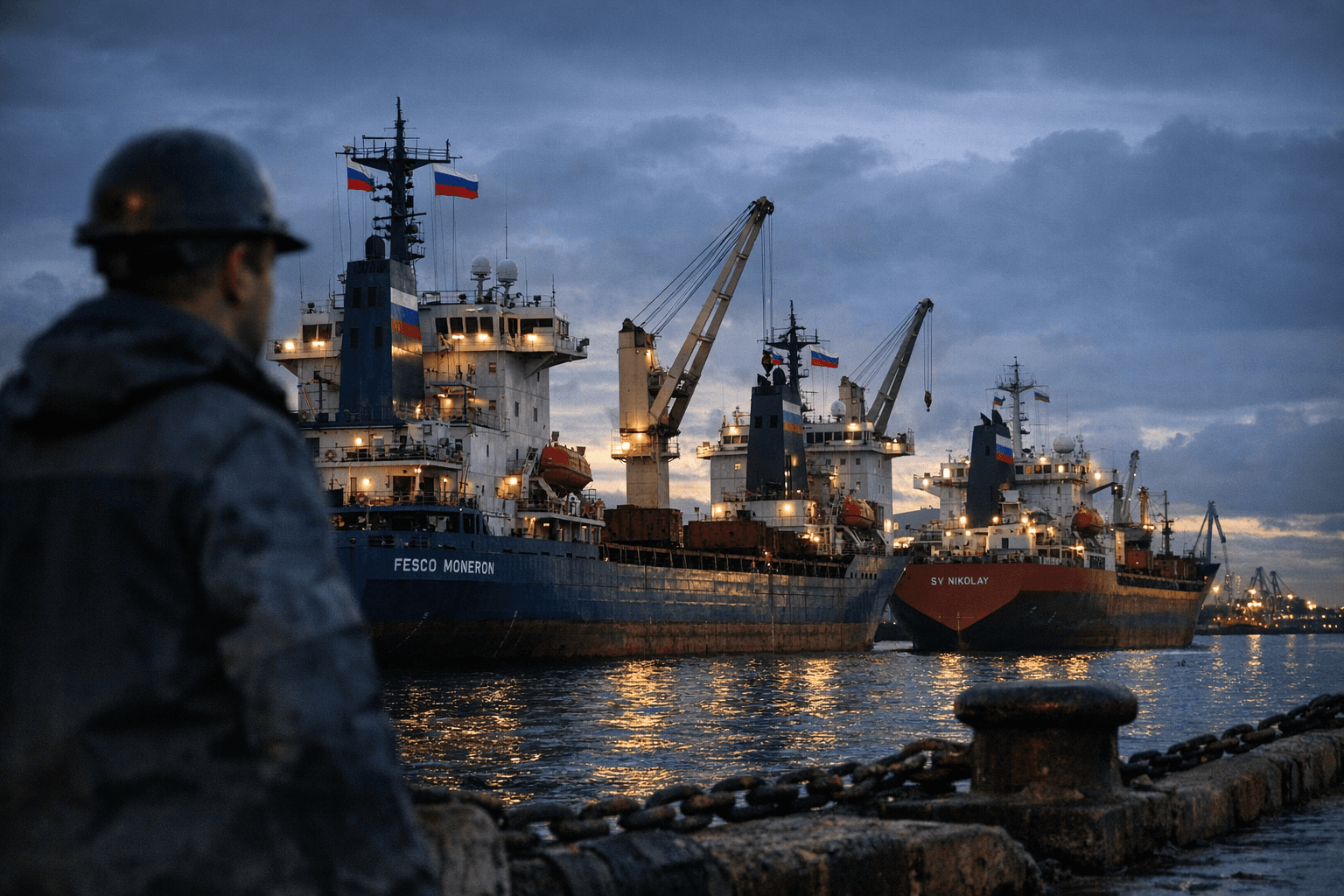
The U.S. Treasury's Office of Foreign Assets Control removed three Russian-flagged cargo vessels from its sanctions lists on March 31, posting the delistings to its sanctions database and characterizing the actions as narrow administrative adjustments rather than any signal of softening toward Moscow.
The three vessels named in the OFAC update are the Fesco Moneron, Fesco Magadan, and Sv Nikolay. Two are container ships; the third is a general cargo vessel. All three had been previously designated under Russia sanctions programs. Treasury officials framed the removals as not indicative of a broader policy shift, describing them as targeted steps to resolve logistical complications for cargoes already loaded before specific licensing cut-off dates.
The delistings track directly to a series of general licenses OFAC issued in March 2026 that temporarily authorized certain shipments of Russian crude oil and petroleum products already aboard vessels at sea. Those licenses were designed to reduce market disruption tied to conflict in the Middle East and escalating Strait of Hormuz tensions, allowing cargoes already en route to reach their destinations without triggering sanctions violations for carriers, insurers, and port operators caught in an ambiguous legal position.
Shipping industry observers noted that the practical effect of such delistings is to give compliance teams, freight carriers, and maritime insurers clarity when shipments are already mid-voyage. Without the update, companies handling those vessels could face exposure under sanctions regimes even for cargo loaded before any new restrictions took effect.
The announcement drew immediate attention in Kyiv and European capitals, where Ukraine's supporters have scrutinized every adjustment to the Russia sanctions architecture since the 2022 invasion. Concerns center on whether time-limited licenses and administrative delistings, however narrowly written, create openings that sanctioned goods could exploit. Treasury's public framing pushed back on that interpretation, but the optics of removing Russian vessels from a sanctions list will require careful political management in Washington's relationships with NATO partners already watching U.S. Russia policy closely.
For compliance professionals, the delistings carry an obligation: shipping firms and sanctions screening teams will need to update their watch lists and assess the precise scope of the removals to ensure ongoing due diligence keeps pace with the revised OFAC database.
This article was produced by Prism’s automated news system from verified source data, official records, and press releases, then run through automated quality and moderation checks before publishing. The system is built and supervised by the people who set the standards it runs under. Read our full AI policy.
Did this article answer your question?

