U.S. Replaces Aging Minuteman III With Sentinel Nuclear Missile System
The Air Force is betting Sentinel can keep 400 land-based nuclear missiles ready into the 2030s, even after a major cost breach and schedule slip.
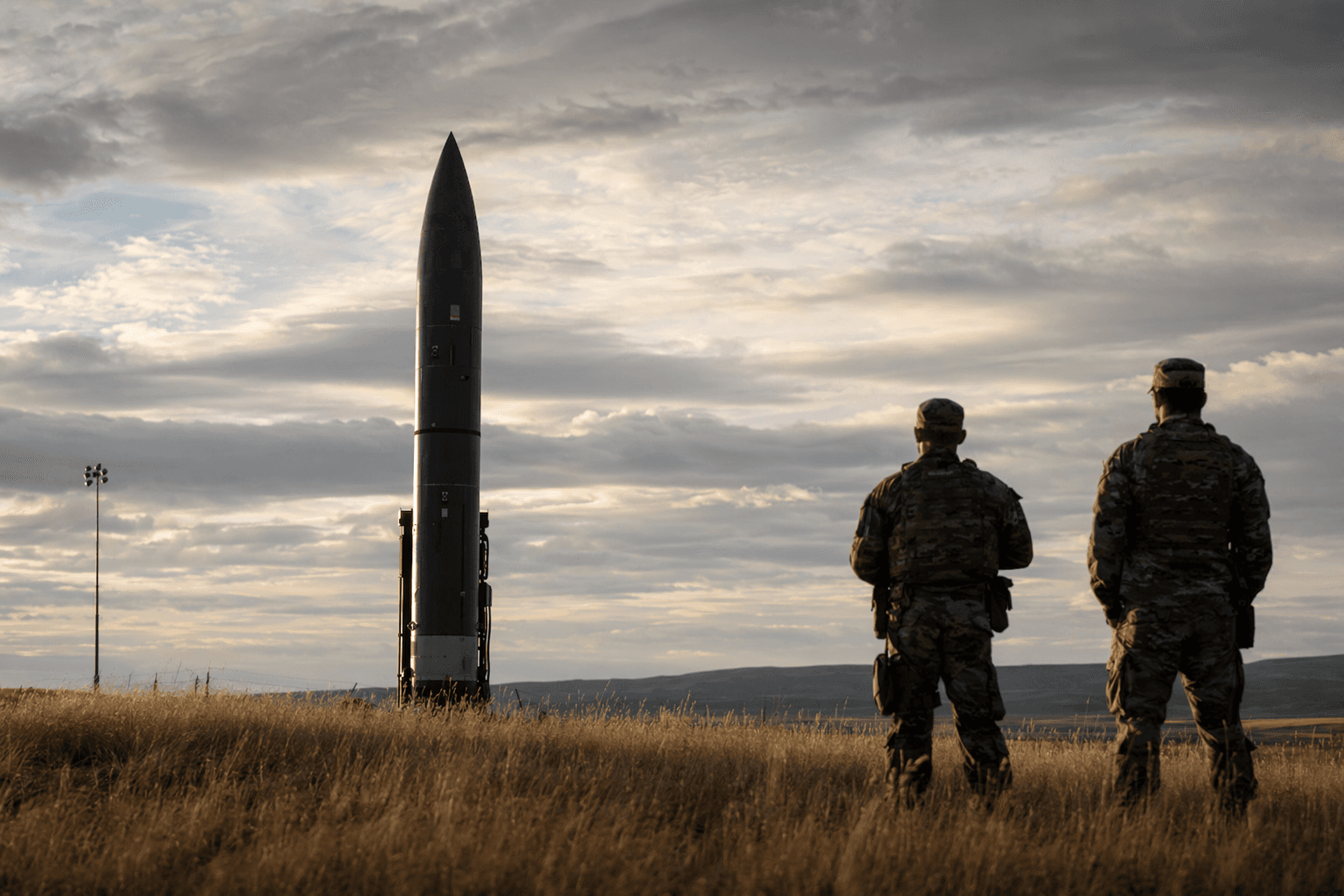
The Air Force is replacing the Minuteman III after more than 50 years of service, betting that the Sentinel system can preserve the land-based leg of the nuclear triad without shrinking the number of missiles on alert in the continental United States. The modernization comes with a hard taxpayer question: how much more expensive and delayed can the program become before the strategy itself is overshadowed by the rebuild.
Sentinel, officially designated LGM-35A and first known as the Ground Based Strategic Deterrent, is meant to carry forward the role Minuteman III has held since 1970. Air Force leaders say the system will provide continuity in strategic deterrence and replace infrastructure that dates to the 1970s and is well beyond its intended life. The missile will be deployed in hardened silos and connected to underground launch centers through hardened fiber-optic cables, with a new three-stage booster at the center of the redesign.
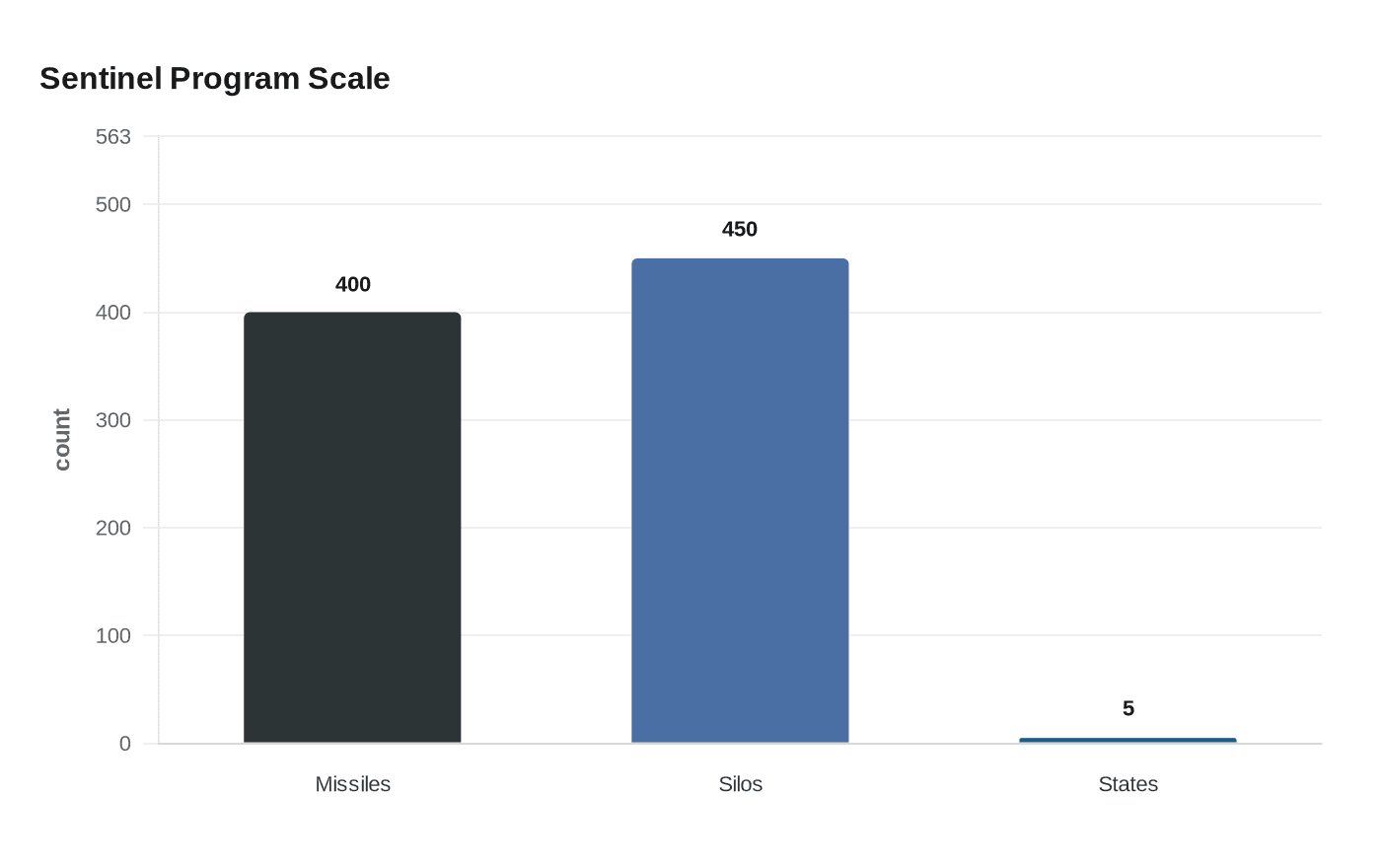
The scale is enormous. A 2025 Government Accountability Office review said the system includes more than 600 facilities, including 450 missile silos, across five states. Those fields stretch across Montana, North Dakota, Wyoming, Nebraska and Colorado, and the Air Force must keep operating and maintaining Minuteman III until Sentinel is fully fielded. The current Sentinel program is projected to include 400 missiles, even as the older fleet is phased out.

The schedule has already slipped. Sentinel was originally expected to begin replacing Minuteman III in 2029, but initial capability is now projected for the early 2030s. That delay means more years of sustaining aging launch hardware, command centers and support systems built for a different era of deterrence.
Cost pressure has been just as severe. In 2024, the Pentagon determined the program had triggered a Nunn-McCurdy breach after major cost growth. The Air Force said most of the increase came from the command-and-launch segment, including launch facilities, launch centers and the work needed to convert from Minuteman III to Sentinel. Officials have since said they are reevaluating requirements and acquisition strategy, and have gone line by line through infrastructure needs in an effort to cut expenses.
The central argument for Sentinel is strategic continuity: if the land-based leg of the nuclear triad remains essential, the United States cannot let a 60-year-old missile system drift into obsolescence. The counterargument is equally stark. The modernization is becoming a massive civil and military construction effort, with software complexity, silo rebuilding and schedule risk all raising the bill for a force some critics still question whether the country needs at all.
Know something we missed? Have a correction or additional information?
Submit a Tip