U.S. sanctions freeze more than 30 entities to choke Iran’s shadow fleet
The State Department and Treasury designated over 30 vessels and firms on Feb. 25, imposing asset freezes and U.S. prohibitions to disrupt Iran’s weapons procurement and maritime evasion networks.
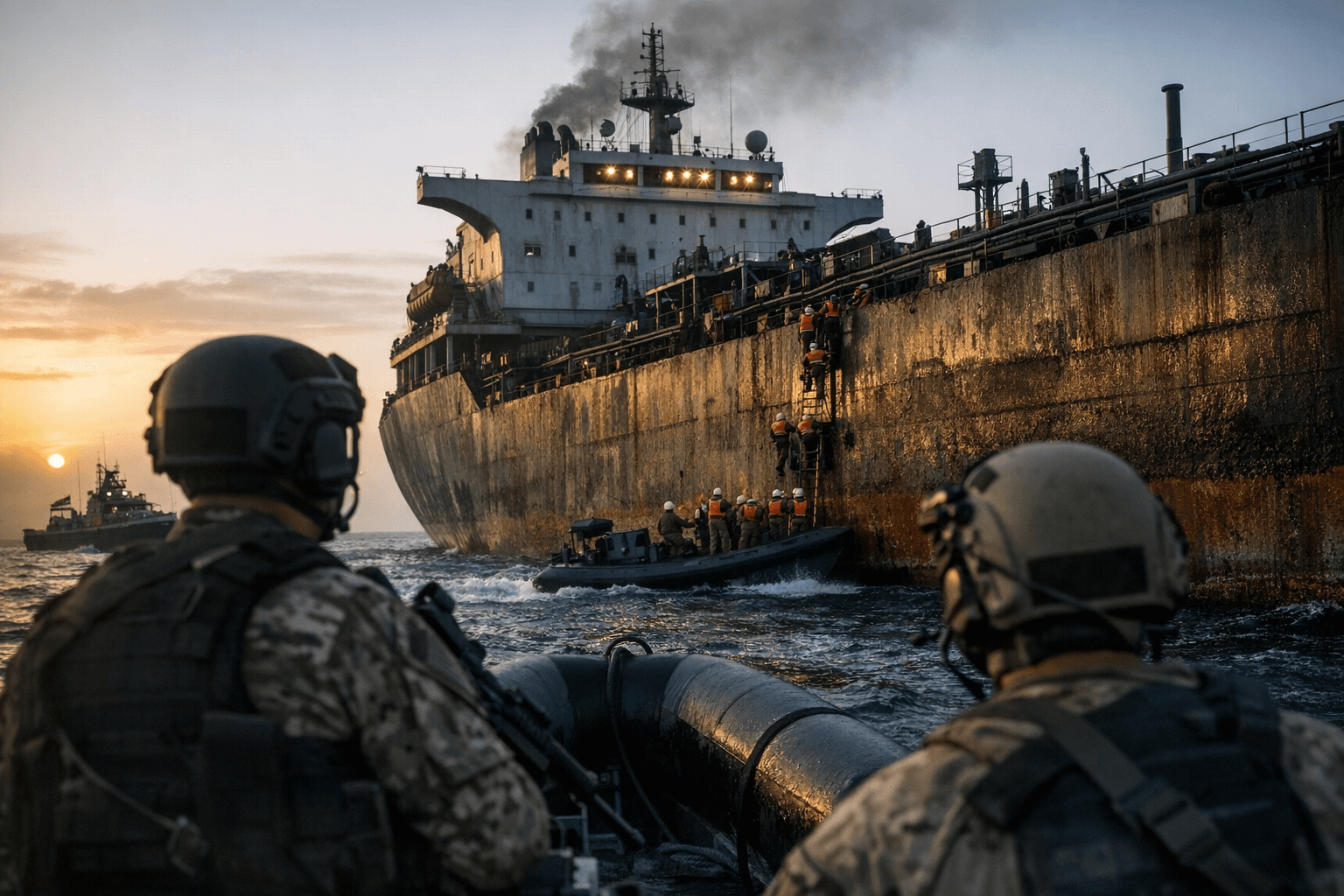
The U.S. government moved to freeze assets and blacklist more than 30 entities and vessels tied to Iran’s weapons procurement networks and the so‑called "shadow fleet," signaling a stepped‑up effort to sever the logistics that Washington says fuel Tehran’s military supply chains. The State Department and Treasury announced the actions in press materials and enforcement notices dated Feb. 25, 2026, and said the measures target shipping, procurement front companies and associated logistics providers used to move cargo, fuel and parts covertly.
The designations carry immediate practical effects: U.S. persons are barred from dealing with the named entities, and any property in U.S. jurisdiction can be blocked. Financial institutions that keep U.S. dollar exposure or clear through U.S. banks face legal risk if they continue to service the designated firms, which raises the prospect of rapid debanking, withdrawal of insurance and curtailed access to maritime services for the targeted vessels. Treasury’s Office of Foreign Assets Control and State Department enforcement notices detail the list of targets and the rationale for each designation.
Analysts say the targeted actions are calibrated to interrupt the supply lines for advanced components and weaponizable materials that require international procurement networks. By focusing on shipping and logistics, U.S. authorities aim to make it harder for Tehran to rely on clandestine ship‑to‑ship transfers and opaque front companies that mask origin and ownership. The enforcement notices singled out vessels and companies believed to facilitate such transfers as central nodes in a sanctions‑evasion system often referred to by officials as the shadow fleet.
The move follows a multi‑year U.S. campaign to clamp down on maritime evasion, leveraging financial sanctions alongside sanctions on maritime actors. Increasingly sophisticated tracking by satellite and maritime monitoring services has exposed patterns of behavior, and prosecutors and regulators have sought to translate that detection into legal pressure. For commercial operators, the immediate consequence is heightened compliance scrutiny and the prospect that insurers and protection and indemnity clubs will decline coverage for vessels connected to the flagged networks.
Market implications are likely to be incremental but real. Disruptions in the shipping routes and a contraction of available tonnage for opaque cargo moves push traders toward more expensive, transparent options that carry higher insurance and transaction costs. That raises the risk of modest upward pressure on freight rates and, in turn, on fuel and import prices for firms and consumers, an effect trade and shipping economists say accumulates over time, especially if further designations follow.
Policywise, the sanctions illustrate Washington’s preference for targeted economic pressure as a means to degrade military procurement without resorting to kinetic action. The measures will test the ability of banks, insurers and partner governments to cooperate on enforcement. If effective, the designations could constrain certain procurement channels; if Tehran adapts by deepening covert networks, the dispute could spur a prolonged cat‑and‑mouse cycle with sustained compliance costs for global shipping and finance.
This article was produced by Prism’s automated news system from verified source data, official records, and press releases, then run through automated quality and moderation checks before publishing. The system is built and supervised by the people who set the standards it runs under. Read our full AI policy.
Did this article answer your question?