U.S. sanctions nine tankers, owners over Iranian oil shipments
Treasury targets a shadow fleet accused of moving Iranian crude as Tehran tightens domestic crackdown and shutters internet access.
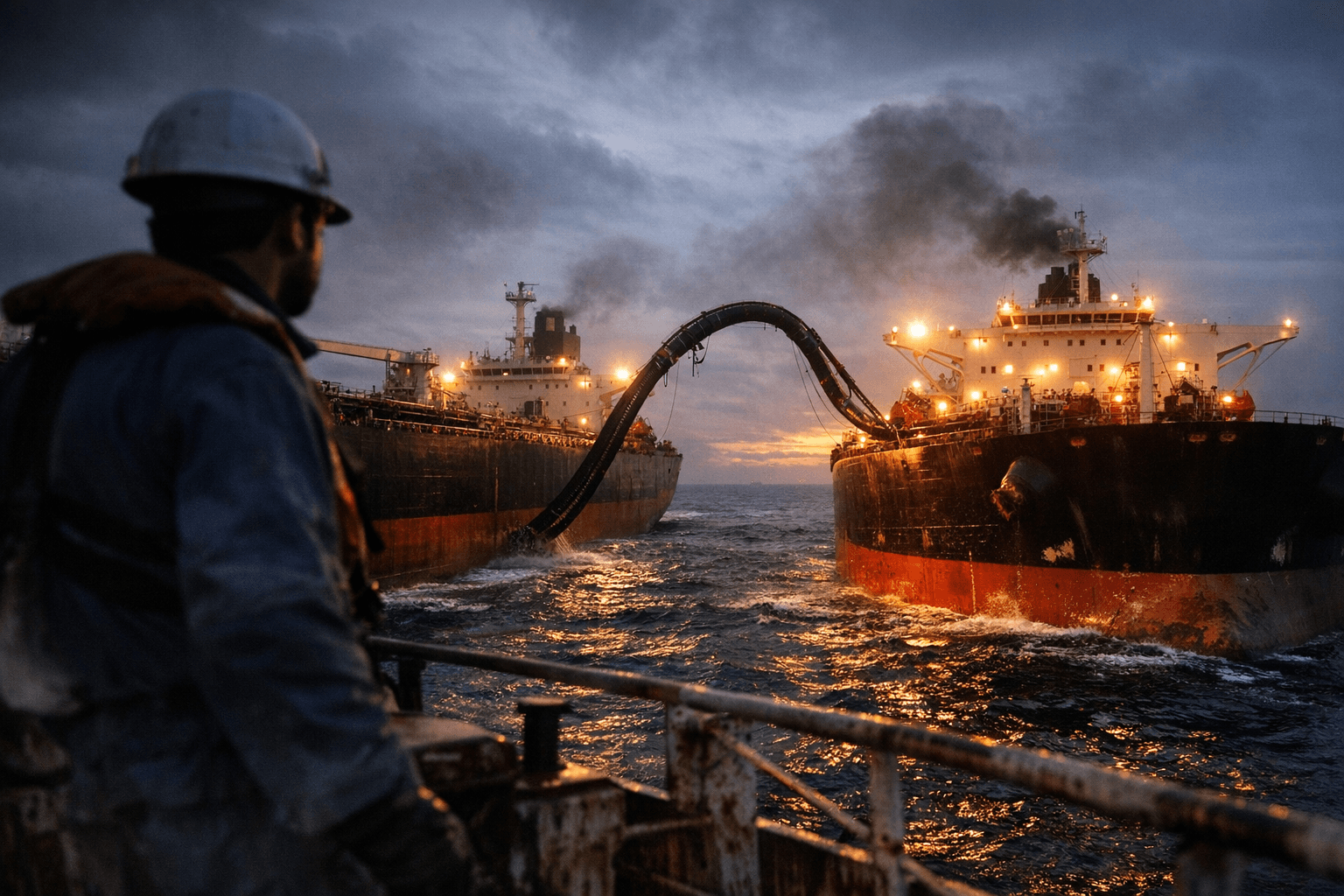
The U.S. Treasury on Friday announced sanctions against nine oil tankers and associated owners it says are part of a shadow fleet transporting Iranian crude in violation of international restrictions. The department said the action is aimed at a revenue stream it alleges is being used to finance Iranian state activities, and will bar U.S. persons from dealing with the vessels or their beneficial owners.
Treasury officials described the targeted vessels as operating in ways that obscure ownership and cargo movements, a tactic frequently associated with efforts to evade sanctions enforcement. The designation follows broader U.S. strategy to disrupt the maritime networks that enable sanctioned states to sell oil clandestinely, including by relying on ship-to-ship transfers, deceptive flagging and deliberate disabling of tracking systems.
The move arrives as Iranian authorities intensify a domestic security response to months of unrest and impose sweeping internet restrictions that have hindered communications across the country. The juxtaposition of tougher international pressure on oil shipments and an internal clampdown on information raises immediate questions about the humanitarian and public health consequences for ordinary Iranians.
Economists and public health experts warn that constraining revenue streams while a government tightens internal controls can have asymmetric effects on civilians. Reduced export income can translate into budget shortfalls for public services, complicate procurement of medicines and medical equipment, and strain supply chains that depend on foreign currency and stable logistics. Internet shutdowns further impede coordination of health services, limit access to telemedicine, and curtail the flow of critical public health information during crises.
Sanctions proponents argue that targeting the shipping networks undermines the regime’s ability to fund activities that Washington deems destabilizing. Critics counter that sanctions often carry spillover effects, compounding challenges faced by hospitals, community clinics and marginalized populations who already struggle with access to care and essential goods. Humanitarian exemptions exist in many sanction regimes, but implementation can be inconsistent, and financial institutions frequently adopt risk-averse practices that hamper legitimate humanitarian trade.
Maritime regulators and international partners now face the operational task of policing a fluid gray market in seaborne oil trade. Tracking networks flagged for evasion typically rely on a combination of commercial satellite imagery, open-source vessel tracking and multilateral intelligence-sharing. Enforcement actions against ship owners aim both to raise the cost of sanctions evasion and to deter intermediaries such as insurers, port service providers and cargo brokers from facilitating illicit transfers.
The impact of these measures will be measured in months. For communities inside Iran, diminished state revenue and ongoing internet controls could exacerbate shortages of medicines and medical supplies, worsen economic insecurity and hamper grassroots relief efforts. For neighboring states and global markets, disruptions in crude flows contribute to price volatility and complicate diplomatic engagement.
Policy discussions in Washington and among allies will likely turn to calibration: ensuring sanctions are narrow enough to pressure complicit actors without deepening humanitarian harm, and strengthening channels that allow vetted humanitarian transactions to proceed. As the U.S. moves to choke a shadow fleet, public health advocates urge transparency and monitoring to protect health services, preserve equitable access to care and prevent the most vulnerable from bearing the brunt of geopolitical confrontation.
This article was produced by Prism’s automated news system from verified source data, official records, and press releases, then run through automated quality and moderation checks before publishing. The system is built and supervised by the people who set the standards it runs under. Read our full AI policy.
Did this article answer your question?


