U.S. sanctions Tanzanian police official over activist abuse allegations
Washington barred a Tanzanian police commander from the United States over alleged abuse of two visiting activists. The move lands amid fresh warnings that torture and disappearances remain routine.
The U.S. State Department publicly designated Tanzanian Police Force Senior Assistant Commissioner Faustine Jackson Mafwele and barred him from entering the United States, a targeted penalty tied to allegations that security officials tortured two visiting activists after they traveled to Dar es Salaam to observe Tundu Lissu’s treason case.
The designation, announced May 21, 2026, puts a concrete limit on Mafwele’s personal freedom of movement. It does not amount to a broader economic embargo, but it does carry an official U.S. finding that he was involved in gross violations of human rights.
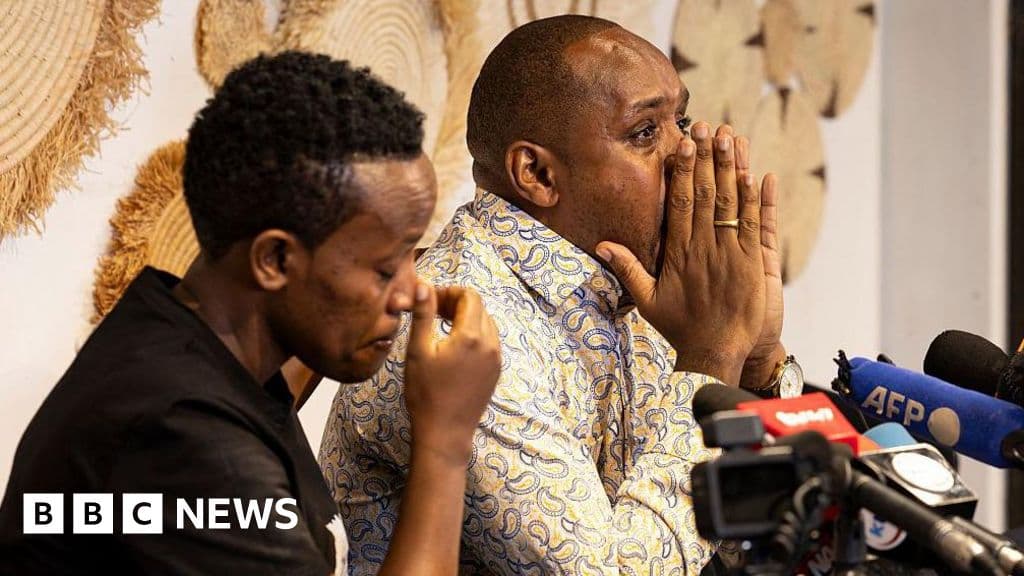
U.S. officials linked the move to the treatment of Kenyan activist Boniface Mwangi and Ugandan activist Agather Atuhaire, who went to Dar es Salaam in May 2025 to monitor proceedings involving the opposition politician. Amnesty International said the pair were arrested on May 19, 2025, held incommunicado, beaten, tortured, stripped naked and then forcibly deported. Tanzanian authorities later arrested and deported the activists, and government spokespeople did not immediately respond to requests for comment.
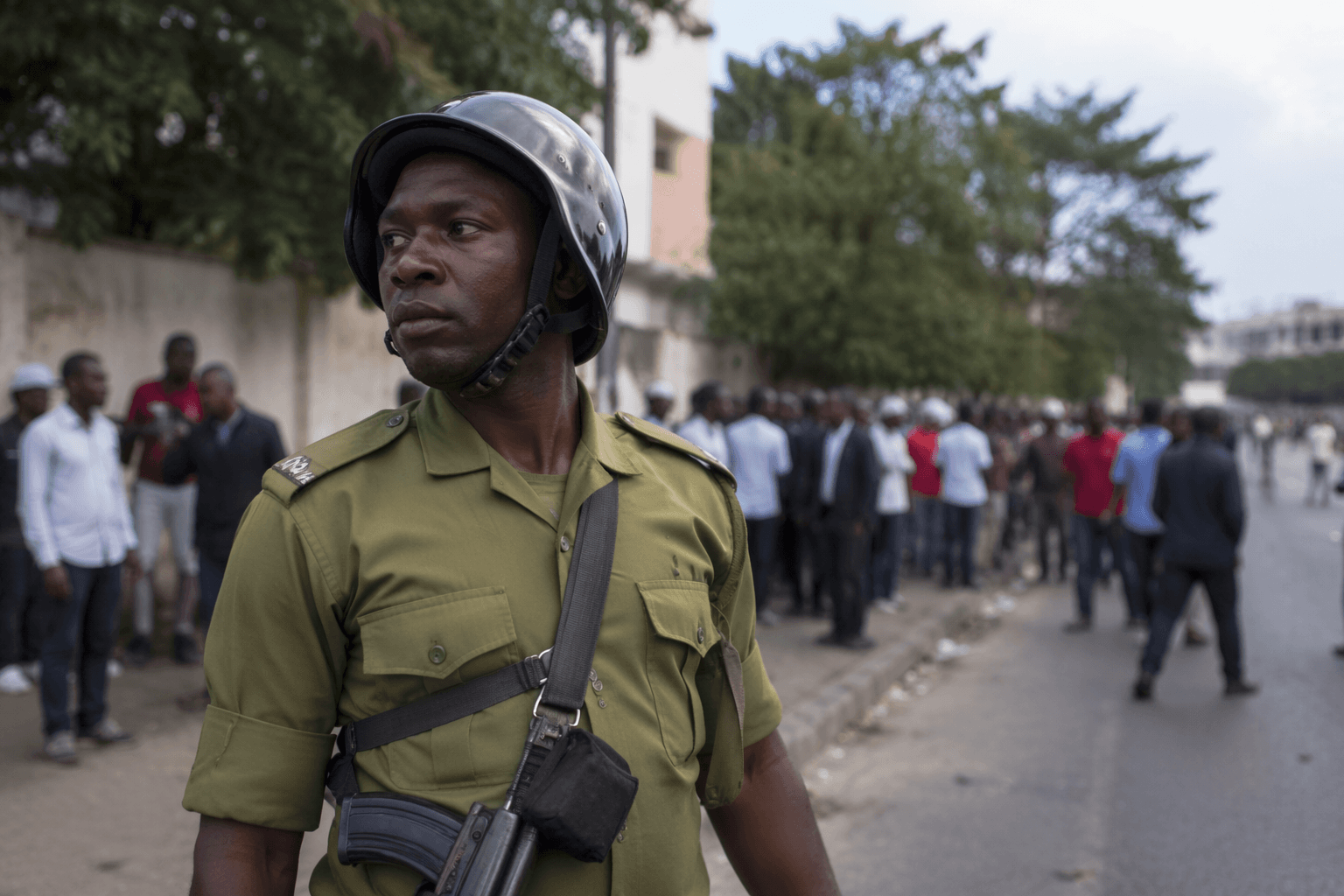
The sanctions land against a backdrop of widening concern over Tanzania’s rights record. The State Department’s 2024 human rights report said the situation in Tanzania declined during the year and cited arbitrary killings, disappearances, torture, arbitrary arrest or detention, and serious restrictions on freedom of expression and media freedom. The report also said impunity in police and other security forces was common.
That same report said a July investigation found some police stations showed a pattern of whipping and other torture during interrogations, a detail that underscores why Washington is focusing on individual officers rather than speaking only in general terms about systemic abuse. United Nations human rights experts warned in June 2025 about a pattern of enforced disappearance and torture in Tanzania targeting political opponents, human rights defenders and journalists, and Human Rights Watch said in its 2026 world report that Tanzanian security officials abducted, beat and tortured Mwangi and Atuhaire.
The case also tests the reach of targeted sanctions as a human-rights tool. The United States had previously designated another Tanzanian official, Paul Christian Makonda, in 2019 over gross human rights violations. Yet the latest U.S. human rights report still describes widespread abuse and weak accountability, suggesting that naming and banning individual officials can signal condemnation, but may not by itself change the behavior of the security services.
For Tanzania’s government, the message is now harder to dismiss. The allegations are no longer just about two foreign activists in Dar es Salaam, but about a pattern of coercion, detention and intimidation that has drawn scrutiny from Washington, the United Nations and rights groups alike.
This article was produced by Prism’s automated news system from verified source data, official records, and press releases, then run through automated quality and moderation checks before publishing. The system is built and supervised by the people who set the standards it runs under. Read our full AI policy.
Did this article answer your question?