U.S. says Iran deal would destroy enriched uranium, details unclear
Iran’s 440.9 kilograms of 60% enriched uranium is the real test in the talks. The IAEA says inspectors still cannot verify where it is or what form it is in.
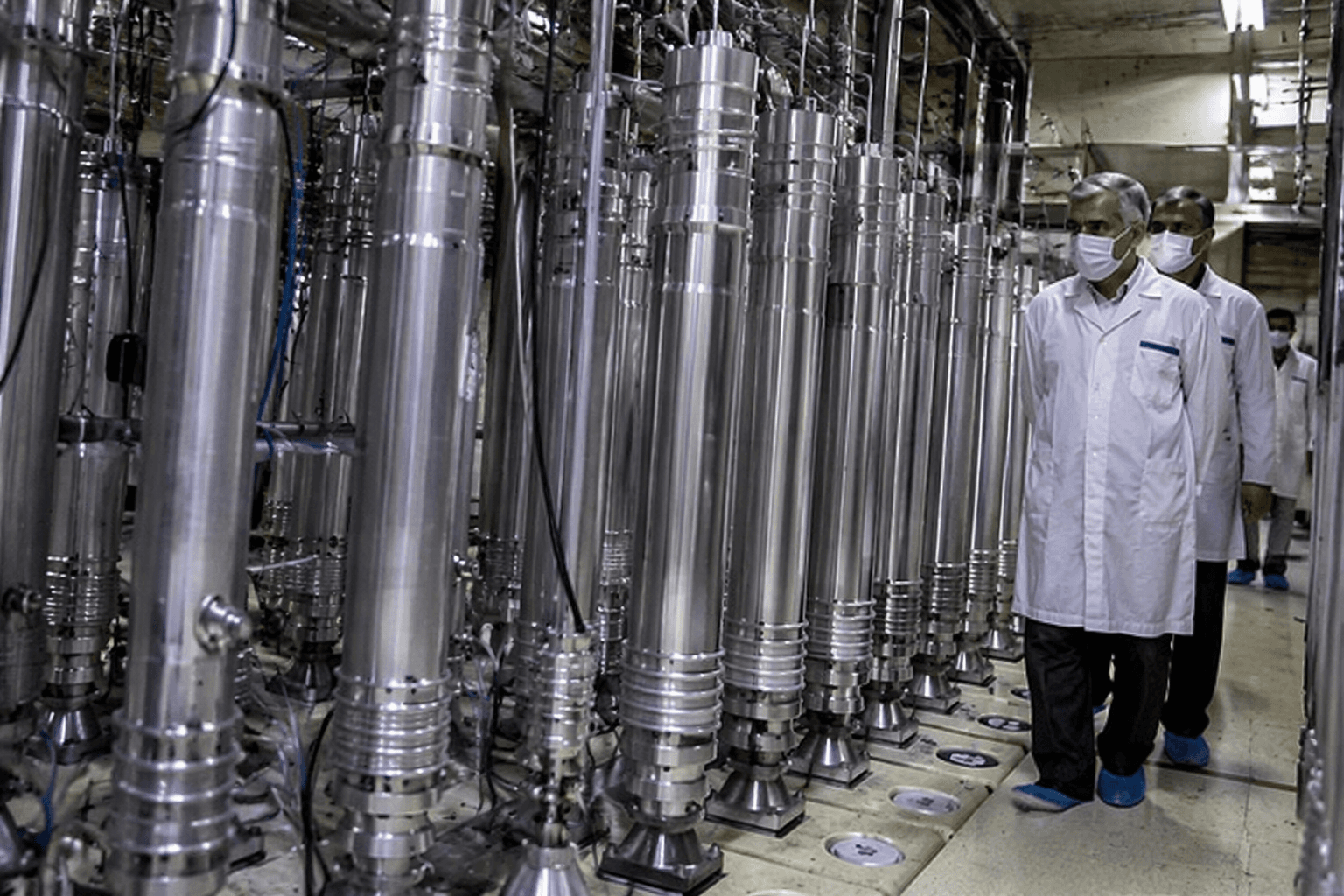
The fate of Iran’s enriched uranium has become the hardest part of the talks, because a deal on paper means little if inspectors cannot account for the fuel itself. U.S. officials say any agreement would have to address what happens to Iran’s stockpile, but the mechanics of destruction, removal, dilution or storage remain unsettled.
That uranium is central because the International Atomic Energy Agency said Iran is the only non-nuclear-weapon state under the Nuclear Non-Proliferation Treaty to have produced and accumulated uranium enriched up to 60% U-235. By the time of the military attacks in June 2025, Iran had amassed 440.9 kilograms of that material, and the agency said it still cannot confirm the current location, quantity, chemical form or enrichment level because inspectors have not had access for nearly a year.
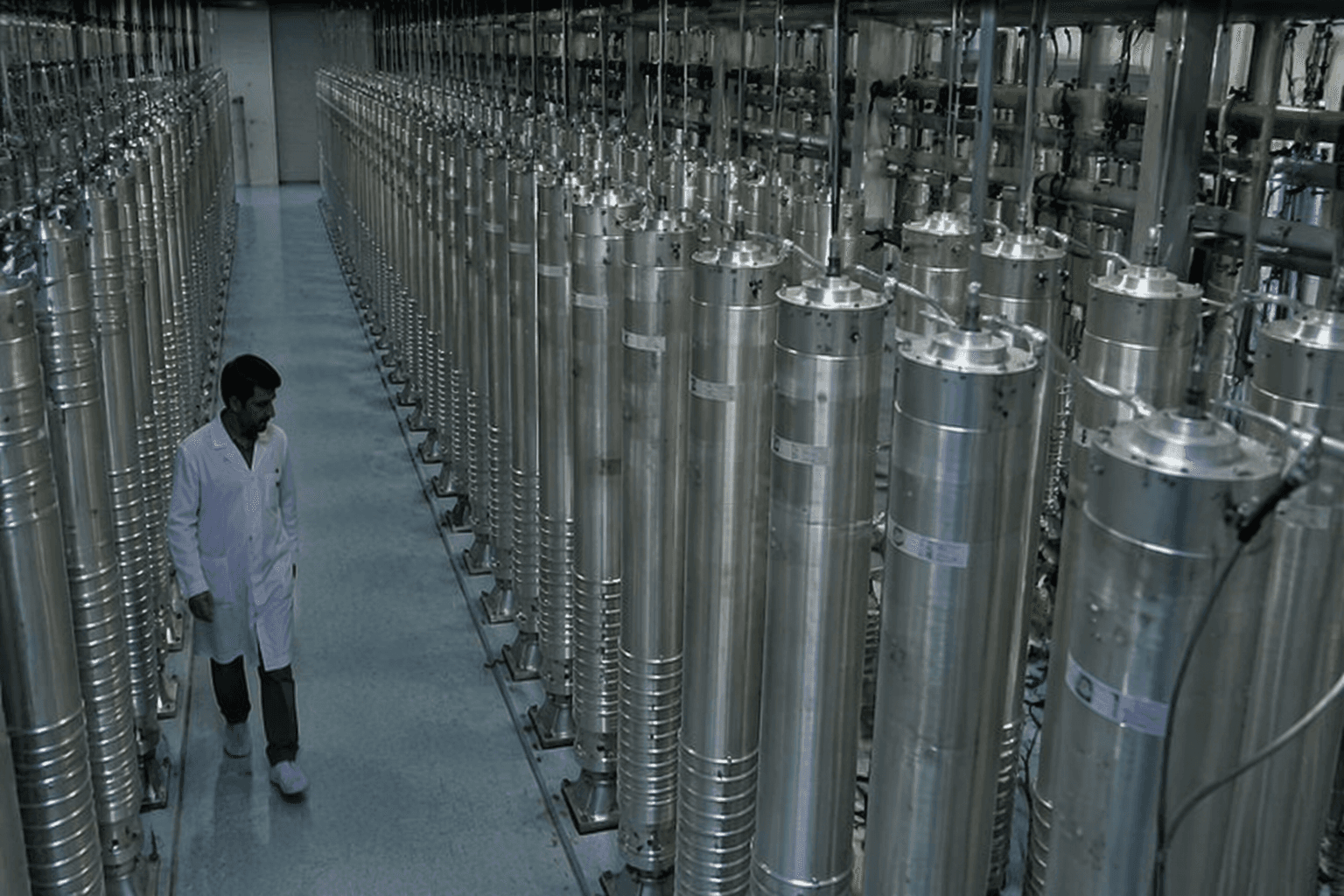
The verification problem is not abstract. At Natanz, the above-ground part of the Pilot Fuel Enrichment Plant, where Iran had been producing uranium enriched up to 60% U-235, was destroyed in the June 13, 2025 attacks. The IAEA said the underground cascade hall was not directly hit, although the loss of power may have damaged centrifuges there. After the strikes, the agency stopped verification work in Iran and later withdrew all inspectors for safety reasons. Iran’s president then signed a law on July 2, 2025, suspending cooperation with the agency.
A U.S.-backed resolution adopted by the IAEA Board of Governors on June 10, 2026, sharpened the pressure. It passed 21 to 3, with 10 abstentions, and called on Iran to declare its remaining enriched uranium stocks and let inspectors verify them. Russia, China and Niger voted against it, while Venezuela was not allowed to participate. That resolution could complicate Washington’s negotiations with Tehran even as U.S. officials press for a nuclear answer alongside ceasefire and regional-security talks.
Donald Trump and Marco Rubio said on June 2, 2026, that the United States remained in negotiations with Iran. Rubio told the Senate Foreign Relations Committee there was a prospect Iran could negotiate aspects of its nuclear program. Iranian state media had reported that exchanges had stopped, but Trump said conversations had continued in the days before his statement.
The stakes are higher than rhetoric because most of the work toward a weapons-grade breakout is already done once uranium reaches 60% enrichment. That is why the material itself, not broad promises, is the make-or-break issue. The 2015 Joint Comprehensive Plan of Action created a detailed verification regime, but the IAEA’s 2025 figures show how much has changed since then: Iran’s enriched uranium stockpile was estimated at 9,040.5 kilograms in May 2025, including 184.1 kilograms enriched to 20% and 440.9 kilograms at 60%, while a separate June 2025 estimate put the total at 9,874.9 kilograms. The agency said JCPOA monitoring cost €10.4 million a year in 2025, including €4.6 million in extrabudgetary funding, underscoring how much effort real verification requires.
If the talks are to produce a technically credible deal, they will have to settle not just what Iran says about its stockpile, but where inspectors can go, what they can measure and when they can do it. Without that, the uranium question will keep outranking the diplomacy around it.
This article was produced by Prism’s automated news system from verified source data, official records, and press releases, then run through automated quality and moderation checks before publishing. The system is built and supervised by the people who set the standards it runs under. Read our full AI policy.
Know something we missed? Have a correction or additional information?
Submit a Tip