US says new strikes on Iran aim to secure Strait of Hormuz navigation
US strikes hit Iran as explosions rocked Bushehr, Bandar Abbas and Sirik, deepening a Strait of Hormuz crisis that has already shaken oil forecasts and shipping.

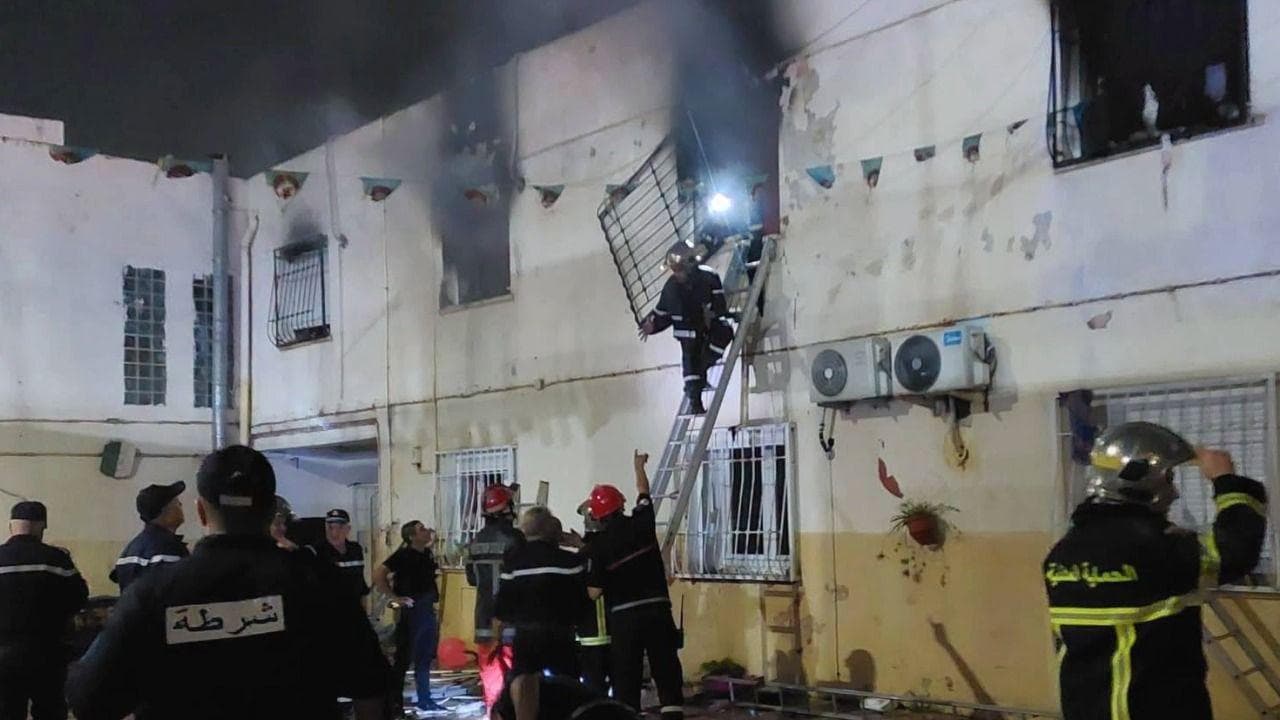
U.S. forces launched more strikes against Iran on July 15, saying the attacks were meant to “further degrade their ability to threaten freedom of navigation in the Strait of Hormuz.” CNN reported explosions in the Iranian cities of Bushehr, Bandar Abbas and Sirik as the escalation widened, and said the United States had carried out at least 170 strikes on Iran over two nights.
The confrontation has centered on one of the world’s most fragile maritime passages. The U.S. Energy Information Administration said on July 7 that shipping traffic through the Strait of Hormuz had increased after a June 18 U.S.-Iran memorandum of understanding reopened the waterway, which had been effectively closed since February 28. The agency described the disruption as a major global oil shock and said it was updating average Brent price forecasts and U.S. crude output projections in response.
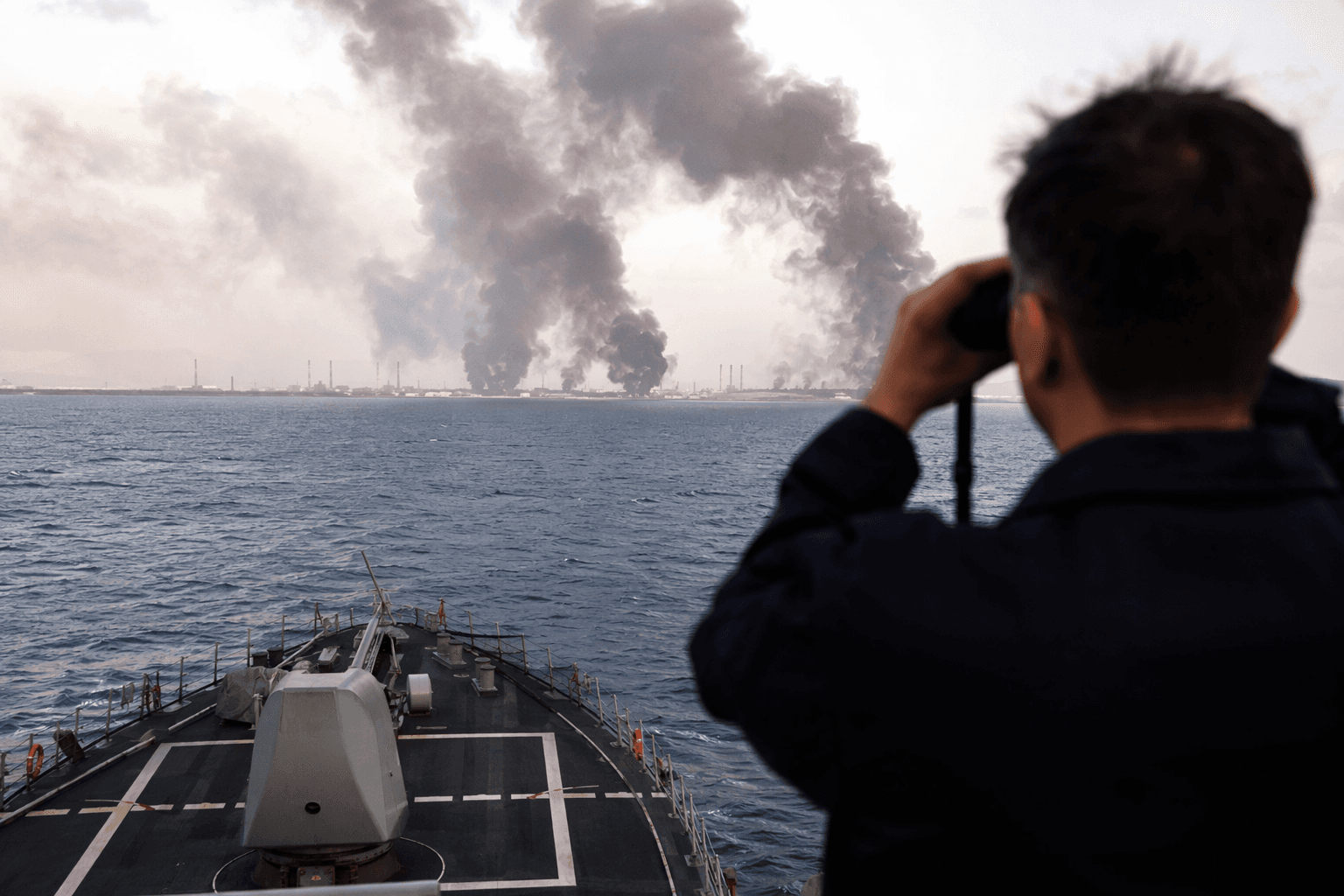
That chain matters because the strait is the route for about a fifth of the world’s oil supply, making even limited military action a direct market event. When warships or missiles raise the risk of interception, delays and diversions follow, pushing up freight costs and war-risk insurance while adding pressure to fuel prices and wider trade flows. The U.S. strikes aimed at preserving transit safety can therefore produce the opposite effect in the short term: more uncertainty for tankers, more cost for carriers and more volatility for importers.
Maritime authorities have urged a fast pullback. The International Maritime Organization called for “maximum restraint and de-escalation,” and said all transit through the strait should be avoided until safety conditions are in place. António Guterres and other United Nations officials warned that renewed hostilities could have catastrophic consequences for the region and the global economy.
UN and IMO figures showed 136 ships and 2,900 seafarers had already been evacuated, while around 6,000 seafarers remained stranded aboard scores of vessels. Stéphane Dujarric said the latest fighting left the waterway at near standstill again, and IMO Secretary-General Arsenio Dominguez condemned “reckless attacks” and warned shipowners and operators not to expose crews to unnecessary danger.
Reuters reported that some shipping companies were avoiding a U.S.-military guided transit scheme through the strait after attacks on vessels renewed safety fears. With the Strait of Hormuz back in crisis, the damage is no longer measured only in explosions onshore, but in the price of moving oil, insuring ships and keeping trade moving through the Gulf.
This article was produced by Prism’s automated news system from verified source data, official records, and press releases, then run through automated quality and moderation checks before publishing. The system is built and supervised by the people who set the standards it runs under. Read our full AI policy.
Did this article answer your question?