U.S. Seizes Venezuelan Oil Tanker, Escalating Maritime Blockade Enforcement
U.S. authorities intercepted and seized a very large crude carrier off Venezuela on December 20, marking the second high profile interdiction tied to an administration declared blockade of Venezuelan oil shipments. The action in international waters has intensified legal and diplomatic disputes while raising urgent questions about humanitarian consequences for Venezuelan civilians and regional maritime safety.
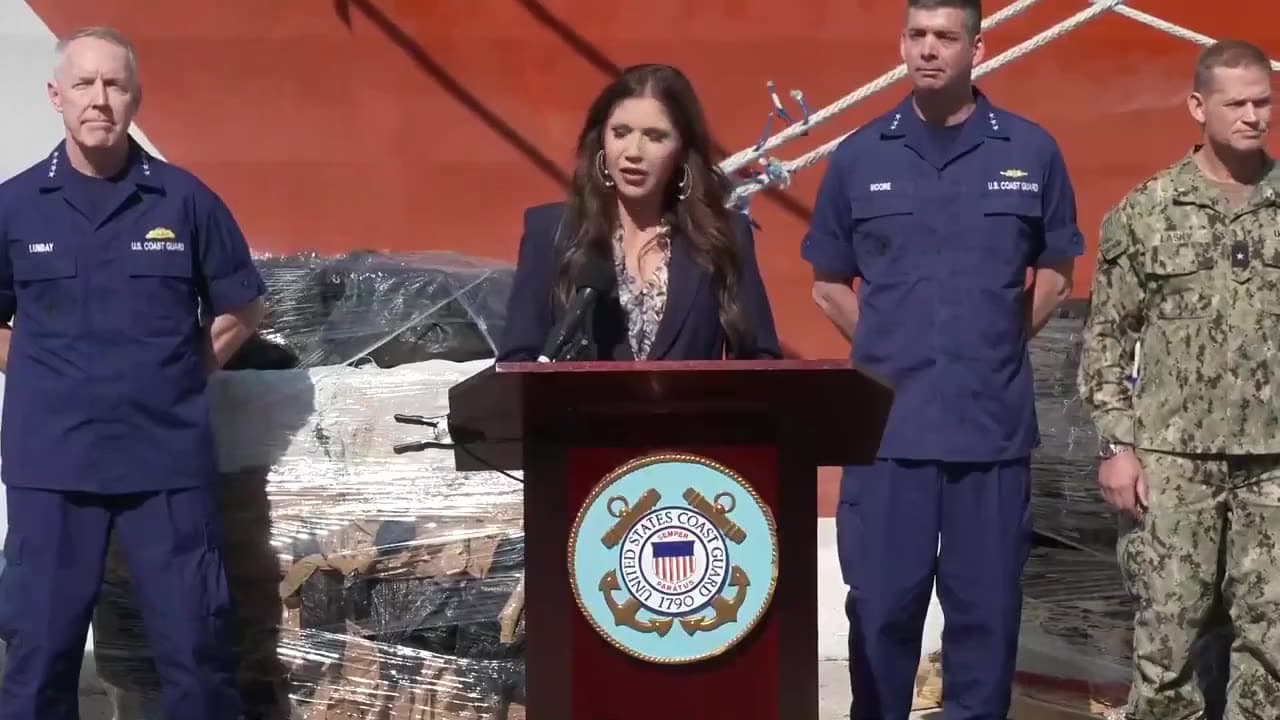
U.S. officials said federal forces intercepted and seized a very large crude carrier off the coast of Venezuela on December 20, an operation Homeland Security Secretary Kristi Noem confirmed on social media. Noem said the U.S. Coast Guard conducted the operation with support from the Pentagon and posted a video showing helicopters surrounding the vessel. In her post she wrote, “The United States will continue to pursue the illicit movement of sanctioned oil that is used to fund narco terrorism in the region. We will find you, and we will stop you.”
U.S. officials described the interdiction as the second such operation in recent weeks tied to an administration order for a total and complete blockade of sanctioned oil tankers entering and leaving Venezuela. Government sources said the seizure occurred in international waters and that the tanker had last been docked in Venezuela. Military personnel approached and boarded the ship from helicopters during predawn hours, and officers from the Coast Guard took control of the vessel.
The Coast Guard and Pentagon referred questions about the operation to the White House, which did not immediately provide detailed public comment. Venezuela’s oil ministry and state oil company have not responded to requests for information. Caracas publicly denounced the seizure as theft and “a serious act of international piracy,” escalating rhetoric that has accompanied other interdictions this month.
The legality of the action is already under scrutiny. Legal observers and maritime lawyers have questioned whether the vessel taken on December 20 was itself listed on U.S. sanctions rolls at the time of the seizure. A Washington D.C. attorney, Jeremy Paner, said the ship had not been sanctioned by the United States. That distinction matters because seizing a vessel not clearly designated under U.S. sanctions would represent a broader assertion of enforcement authority and could trigger complex international legal challenges.
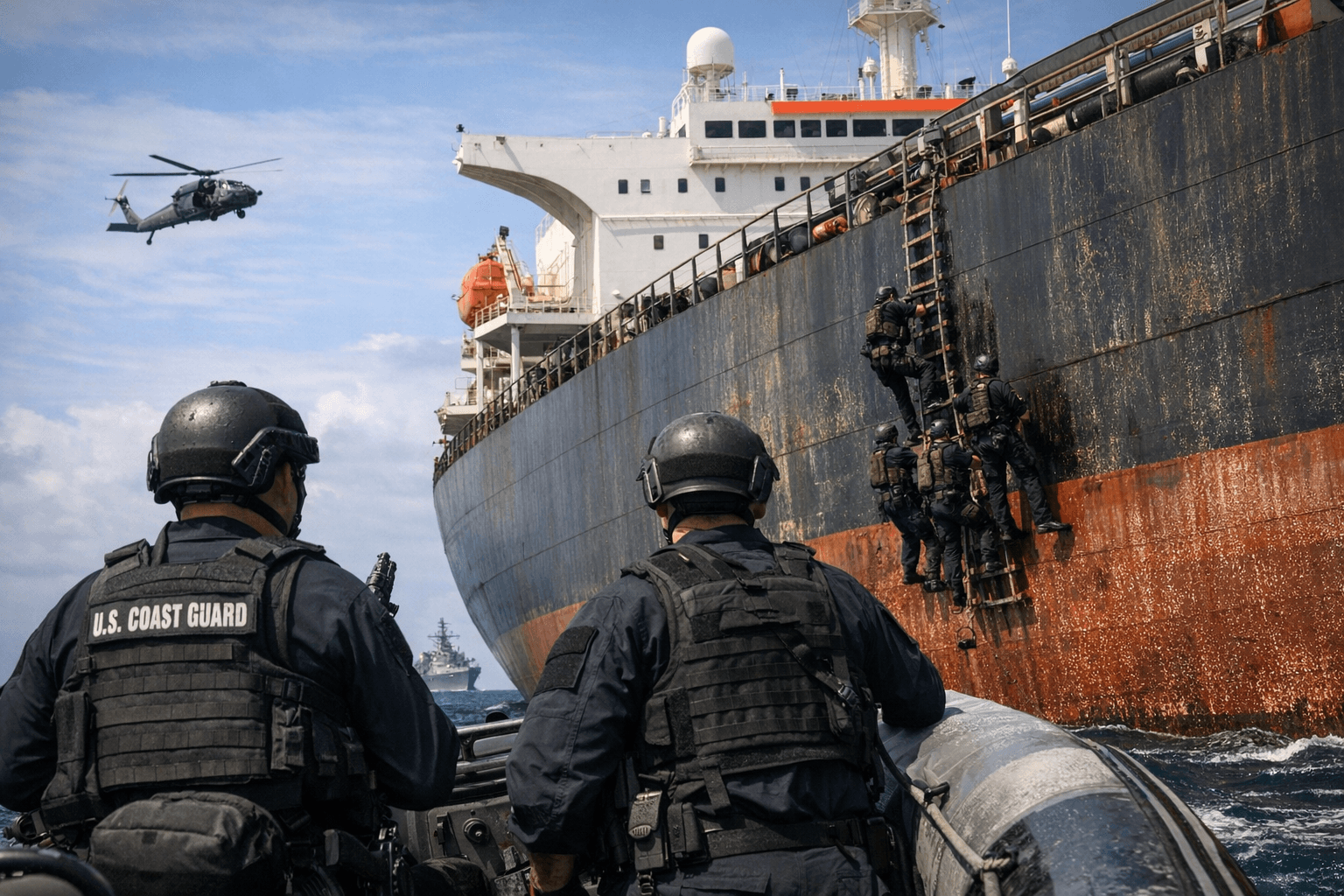
The recent operations follow a prior interdiction earlier this month in which U.S. forces seized a tanker that United States authorities had designated three years earlier. Analysts warn that repeated seizures, particularly of ships whose ownership, flag and registration details remain opaque, could inflame diplomatic tensions and complicate commercial navigation and insurance in shipping lanes near Venezuela.
Beyond legal and diplomatic fallout, public health and humanitarian implications are immediate. Venezuela remains highly dependent on fuel for electricity, hospital generators, water pumping and transport for medical supplies. Interruptions to fuel flows or sharply rising costs would disproportionately harm low income communities, undermine hospital operations and complicate the delivery of vaccines and other essential medicines. Humanitarian organizations and regional health agencies could face higher logistical barriers as insurance and shipping reroute through longer, costlier corridors.
Key factual questions remain unresolved, including the vessel’s ownership, flag and registry, whether crew were detained or will face charges, and what formal legal justification the U.S. government will publish for seizing a ship in international waters. As Washington presses enforcement, the broader risk is that maritime confrontations intended to choke off revenue streams will also deepen suffering among civilians and strain already fragile regional systems for health and commerce.
This article was produced by Prism’s automated news system from verified source data, official records, and press releases, then run through automated quality and moderation checks before publishing. The system is built and supervised by the people who set the standards it runs under. Read our full AI policy.
Did this article answer your question?

