US Sets New Deadline for Iran Amid Escalating Threats Between Leaders
Trump set a Tuesday 8 p.m. ET deadline for Iran to reopen the Strait of Hormuz, threatening strikes on power plants and bridges as oil prices have surged 60% since the war began.
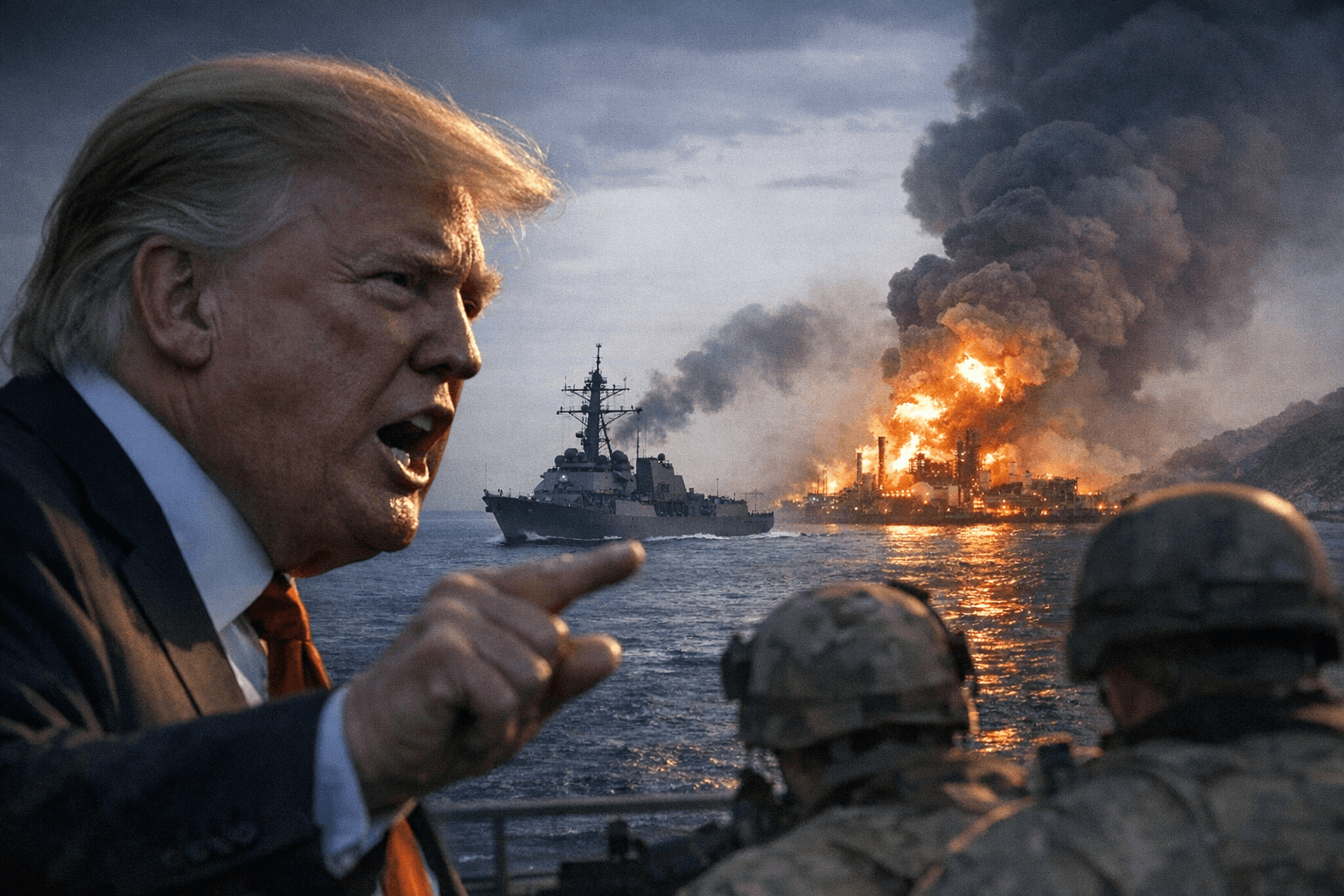
President Donald Trump issued an expletive-laden threat to bomb Iran's civilian power plants and bridges if it did not meet a new deadline of Tuesday to open the Strait of Hormuz. In a follow-up post, Trump clarified the deadline as 8 p.m. Eastern time on Tuesday.
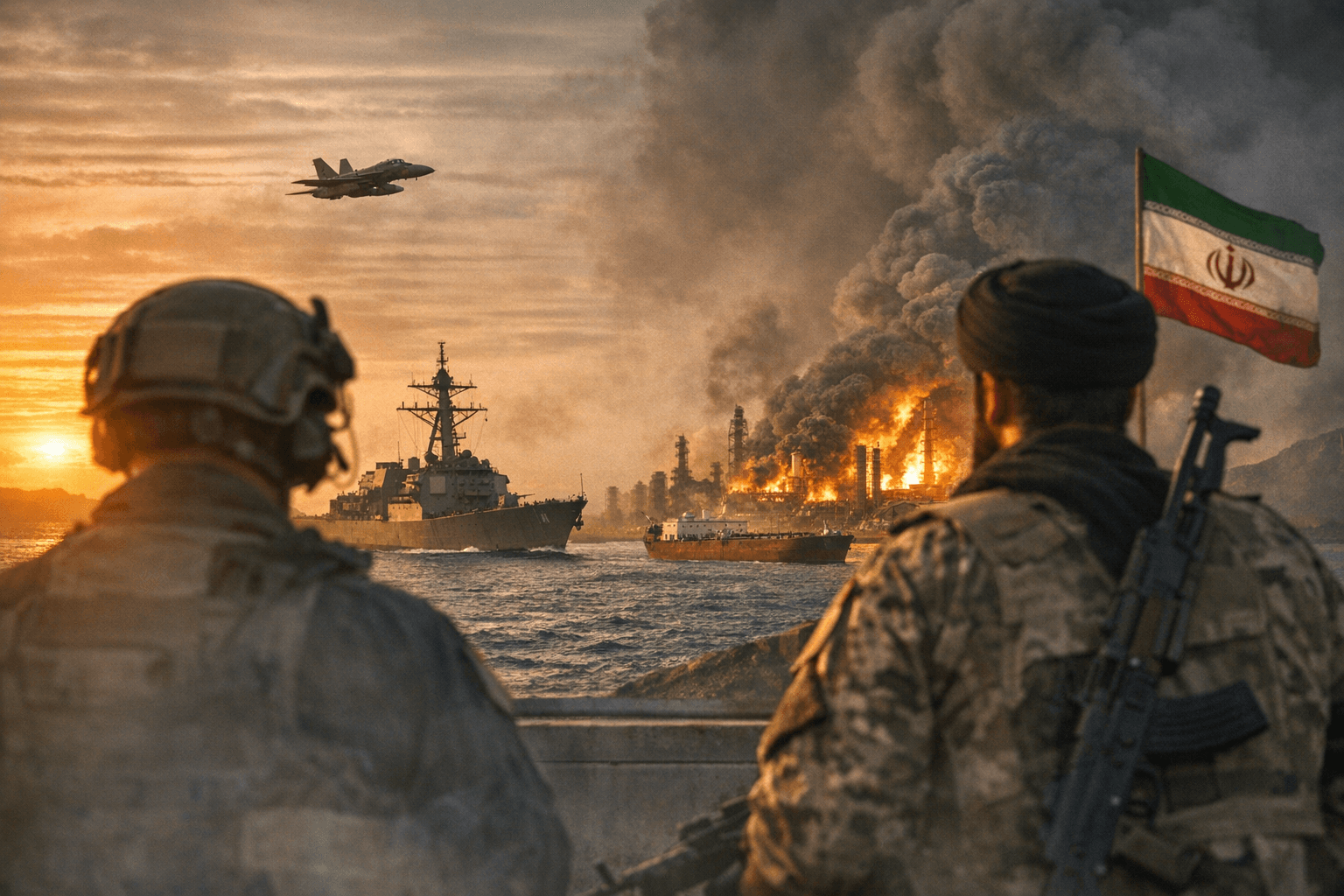
The Strait of Hormuz is a trade route through which 20% of the world's oil passes. It sits between Iran to the north and Oman to the south, connecting the Persian Gulf to the Gulf of Oman, and it functions as the single most critical energy chokepoint on the planet. Maritime tracking data indicates that about 5% of the pre-war volume of shipping is getting through the strait. Iran formally declared the Strait "closed" starting March 4, and the economic fallout has been severe: rising energy, shipping, and fertilizer costs fueled by Tehran's stranglehold on the strait are already being felt in the U.S. and around the world, with sharper consequences expected to fall on poorer, import-dependent countries.
Oil prices have surged more than 60% since the war began, and the IEA warned this month that prices in April are likely to be "much worse than March." U.S. government officials and Wall Street analysts are starting to consider the prospect that oil prices might surge to an unprecedented $200 a barrel if the closure persists. Even at partial disruption levels, war risk insurance premiums reportedly have resulted in rates that are four or five times greater than they were previously.
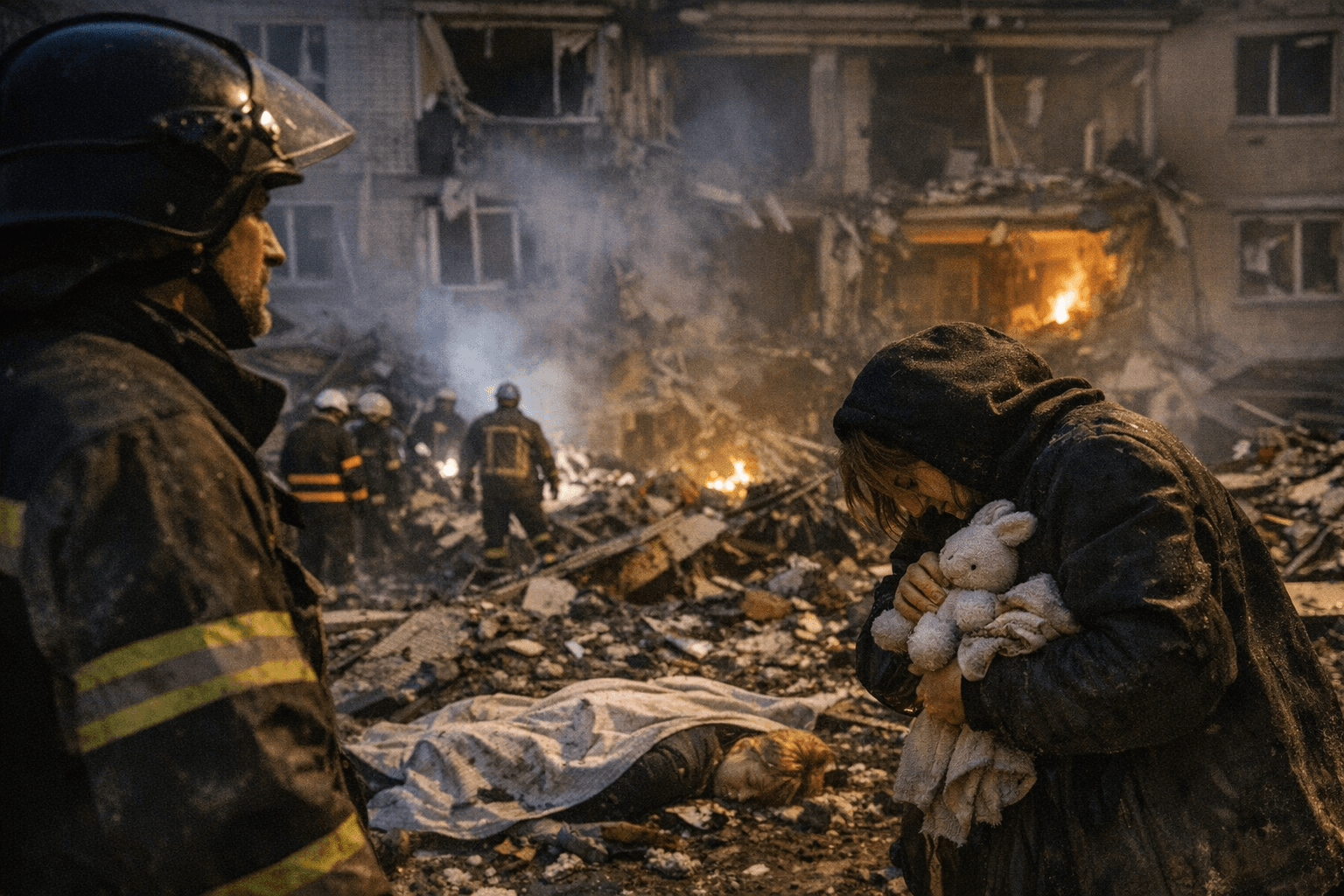
Iran's top officials pushed back against President Trump's deadline to open the Strait of Hormuz, striking a defiant tone as the warring sides traded missile attacks. The U.S. and Israel targeted oil facilities inside Iran, while Iran hit several towns in Israel and oil refineries across the Gulf countries. Tehran also escalated its own counter-threats: Aliakbar Velayati, an adviser to newly appointed Supreme Leader Mojtaba Khamenei, warned that Iran may target another key location in the Middle East for the passage of vessels, the Bab al-Mandab Strait. Tucked between Yemen and the Horn of Africa, connecting the Red Sea, the Gulf of Aden and Arabian Sea to the Suez Canal, the Bab al-Mandab Strait could become a target of Iran-backed Houthi militants. Velayati wrote that "if the White House thinks of repeating its stupid mistakes, it will quickly realize that the flow of global energy and trade can be disrupted with a single signal."
On March 26, Trump extended a pause in attacking Iran's energy facilities by 10 days to April 6, a window that has now closed. Trump's new Tuesday deadline was itself an extension: on Saturday, Trump issued a 48-hour deadline for Iran to "make a deal or open up the Hormuz Strait," then pushed the clock forward by roughly 24 hours with his Monday post.
Diplomatic channels remain active even as both sides exchange fire. Pakistan delivered a 15-point plan proposed by Washington to Iran that addressed issues like Tehran's nuclear ambitions and its ballistic missile program. Other countries, including Turkey, Egypt, and Saudi Arabia, have also been working to facilitate an end to the war. Oman's foreign ministry met with Iranian officials to discuss "possible options for ensuring the smooth flow of transit through the Strait of Hormuz," with experts from both sides presenting "a number of visions and proposals that will be studied."
While Iran has denied holding direct or indirect negotiations with the U.S. and rejected calls for a ceasefire, the two sides have acknowledged having exchanged messages through intermediaries. Trump told Axios there was a "good chance" that the U.S. and Iran could come to a deal by Tuesday but added that "if they don't make a deal, I am blowing up everything over there."
Should the deadline pass without agreement, the consequences would extend well beyond the Persian Gulf. If the strait stays closed, the world will have to significantly reduce its oil and gas consumption, but not before prices spike to a level that forces consumers and businesses to fly, drive, and spend less. Europe is likely to face surging prices to secure cargoes and is at risk of diesel shortages in the coming weeks. With Tuesday's 8 p.m. deadline now hours away and Tehran showing no sign of yielding, the gap between a negotiated reopening and a broader energy crisis has never been narrower.
Sources:
Know something we missed? Have a correction or additional information?
Submit a Tip