U.S. Slashes Proposed Anti‑Dumping Duties on 13 Italian Pasta Exporters
The U.S. Department of Commerce has sharply reduced provisional anti‑dumping duties on 13 Italian pasta producers after a post‑preliminary review, lowering penalties from an earlier proposed 92% to rates as low as 2.26%. The recalculation eases immediate pressure on a sector that sends nearly $800 million of pasta to the United States and sets up a tense run‑up to a final Commerce determination in March.
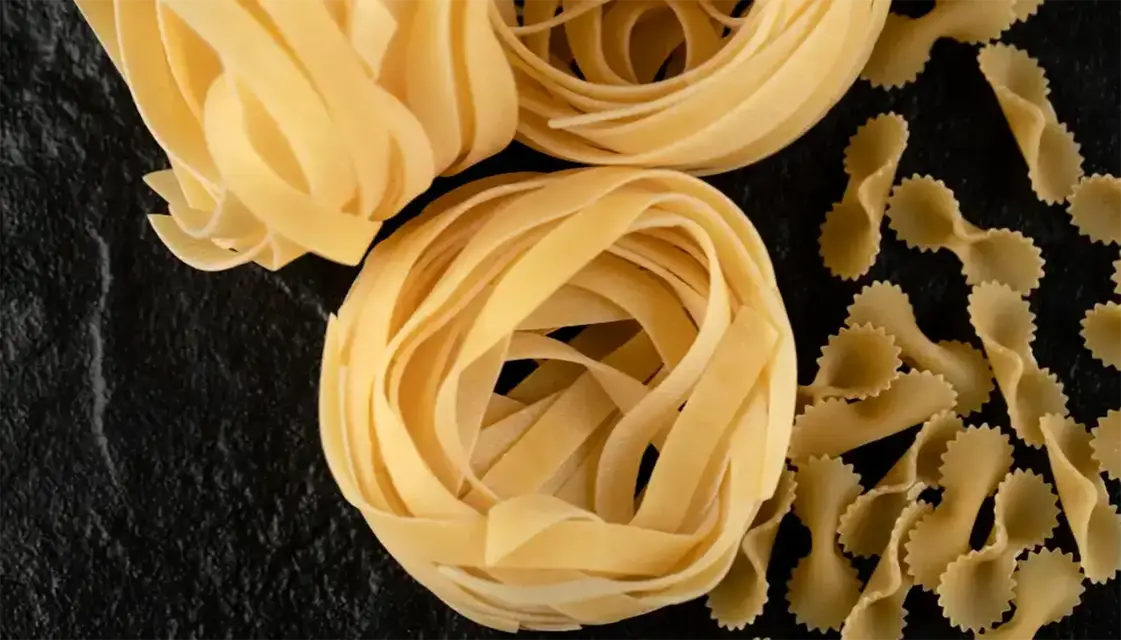
The U.S. Department of Commerce has recalculated provisional anti‑dumping duties on 13 Italian pasta exporters, cutting the penalties announced in October that would have added roughly 92% to already applicable tariffs. Under the post‑preliminary review published Jan. 1–2, 2026, La Molisana’s provisional duty was reduced to 2.26% and Garofalo’s to 13.98%. The remaining 11 producers, which were not individually examined in the post‑prelim review, were provisionally assigned a duty of 9.09%.
The October preliminary determination had proposed the steep 92% additional levy to be applied on top of the standard 15% tariff that many EU imports face, a move that threatened to sharply raise costs for importers and retailers of Italian pasta in the United States. The newly announced provisional rates were communicated to Italian authorities ahead of Commerce’s final decision, which the department has scheduled to be released on March 11, 2026.
A Commerce Department official said an updated analysis in the post‑preliminary review indicated that Italian exporters "had addressed many of the concerns raised in the preliminary determination." The official added that Commerce was committed to a "fair, transparent process" and would continue to engage with interested parties before issuing a final determination. Italy’s foreign ministry described the recalculation as evidence that U.S. authorities "recognise our companies’ constructive willingness to cooperate."
The 13 firms targeted in the action include major names in the sector such as Barilla, La Molisana and Pastificio Lucio Garofalo. U.S. import data indicate those companies account for roughly 16% of Italian pasta shipments into the American market. The pasta sector is economically significant for Italy: national statistics show total pasta exports exceeded €4 billion ($4.7 billion) in 2024, with the U.S. market representing nearly $800 million of that total.
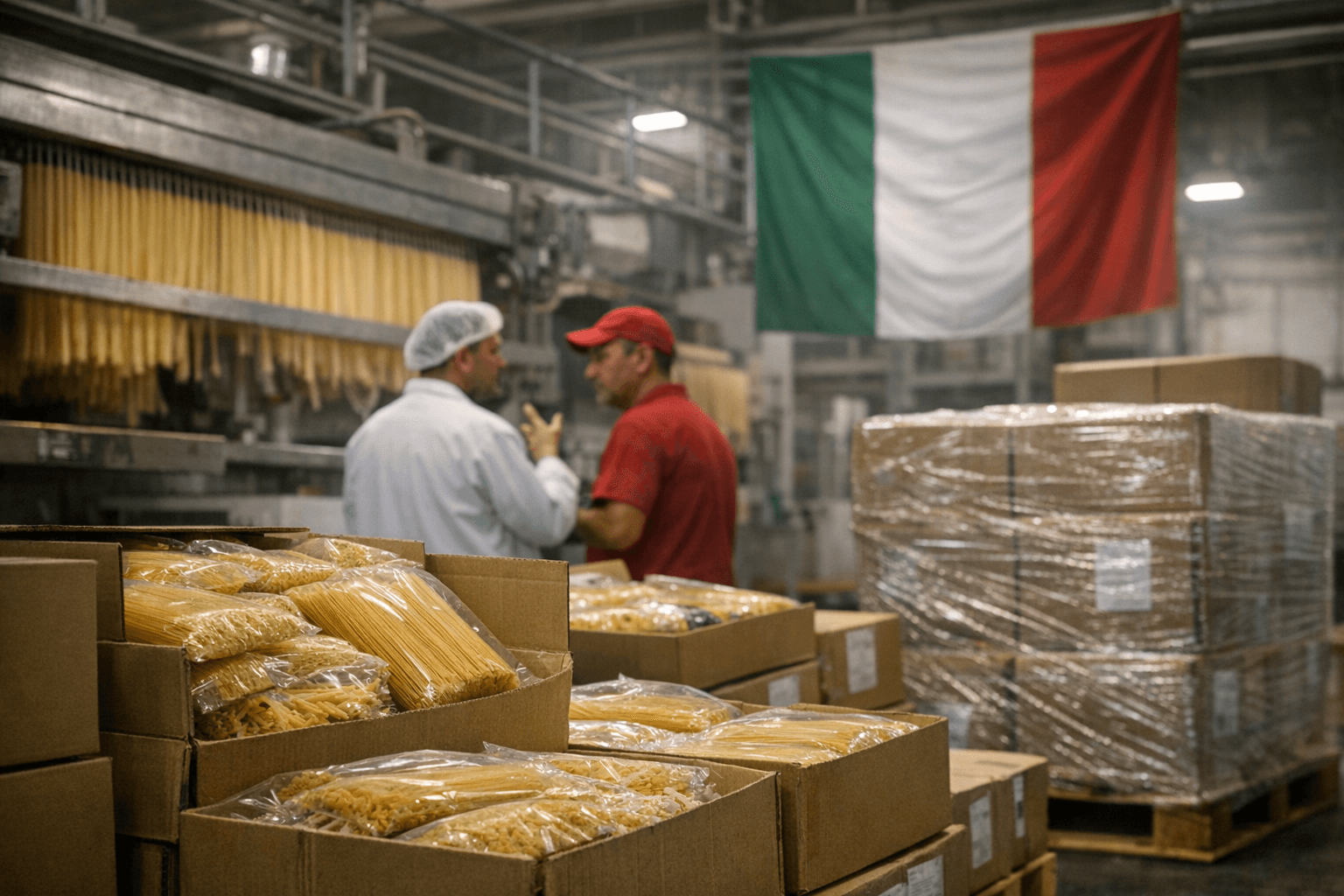
The concession in provisional rates materially reduces the immediate trade shock for importers and could blunt short‑term price spikes for retailers and consumers. Nonetheless, these rates remain provisional and could change in the department’s final findings. If Commerce restores higher duties in March, affected companies would face sudden cost increases that could squeeze margins, shift sourcing patterns and elevate retail prices.
Beyond the commercial square off, the episode has political resonance. The threatened 92% levy drew attention in Rome and was framed by some political actors as an awkward test for Prime Minister Giorgia Meloni, who has cultivated close ties with U.S. leadership. The reduction in provisional rates removes some immediate diplomatic strain but leaves the underlying dispute unresolved.
For now, exporters, importers and trade lawyers are focused on the remaining weeks before the March 11 deadline, gathering submissions and evidence in hopes of securing favorable final determinations. The post‑prelim repricing offers temporary relief, but the pasta trade’s near‑term pathway will be dictated by the Commerce Department’s final analysis and any subsequent appeals.
This article was produced by Prism’s automated news system from verified source data, official records, and press releases, then run through automated quality and moderation checks before publishing. The system is built and supervised by the people who set the standards it runs under. Read our full AI policy.
Did this article answer your question?

