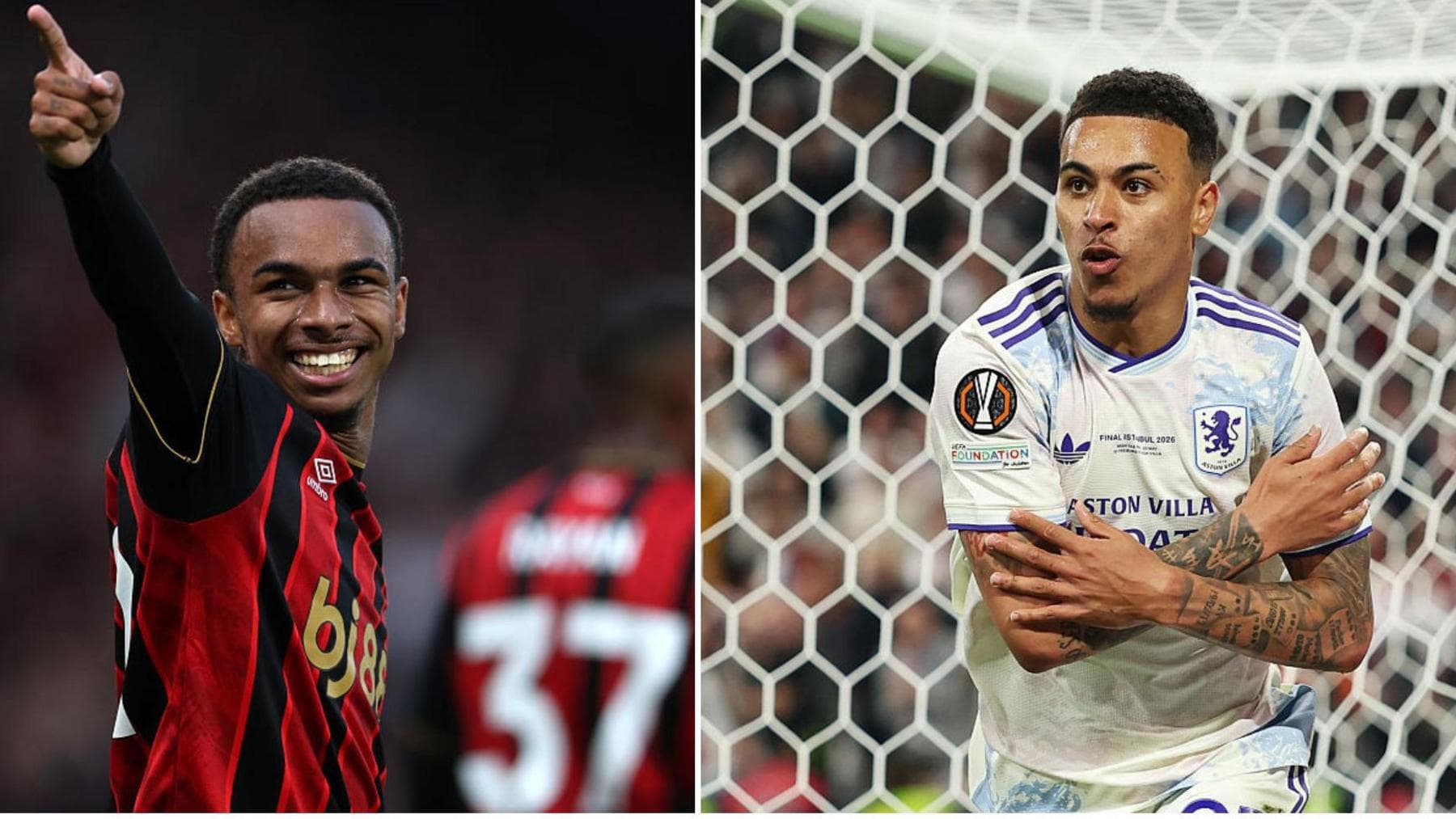
U.S. soccer faces defining test at home in 2026 World Cup
The U.S. opens at SoFi Stadium on June 12 with a World Cup that could decide whether soccer’s U.S. momentum becomes permanent.

The United States enters the 2026 World Cup with more on the line than home-field advantage. A deep run in Los Angeles and beyond could accelerate soccer’s long push into the American mainstream; an early exit would risk freezing years of progress and feeding old doubts about the sport’s place in U.S. culture.
That is why the opening match against Paraguay on June 12 at Los Angeles Stadium, also known as SoFi Stadium, carries weight well beyond Group D. The Americans qualified automatically as co-hosts, sparing Mauricio Pochettino’s squad the grind of qualifying and leaving less time to prove itself before the tournament begins. Pochettino, appointed in 2024, has treated the run-up as a limited window to shape a team that must perform under unusually public scrutiny.
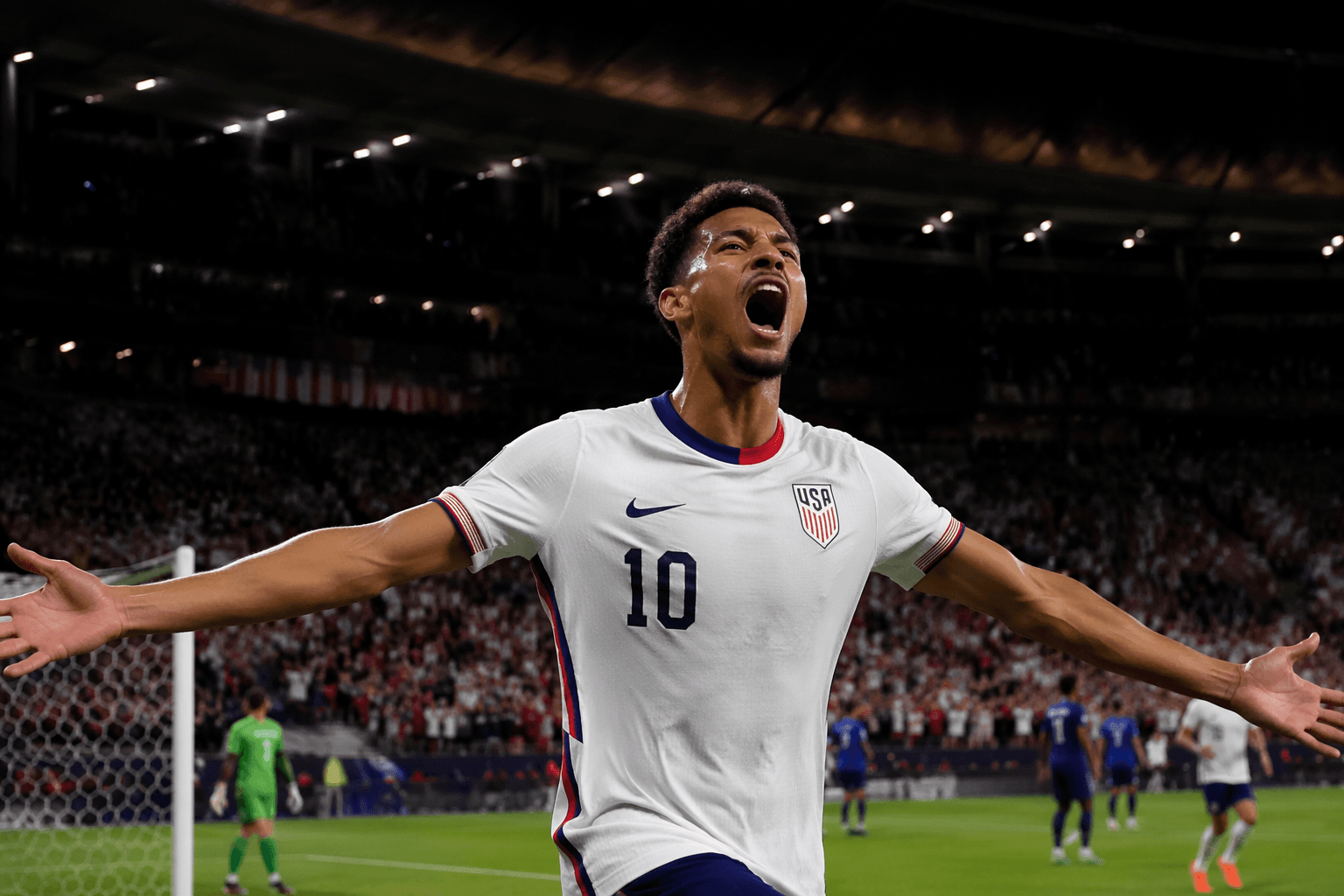
The pressure is easy to trace in recent history. The U.S. reached the Round of 16 in Qatar in 2022, a solid benchmark that showed the program can compete on the sport’s biggest stage. But the failure to qualify for the 2018 World Cup, after a 2-1 loss to Trinidad and Tobago on October 10, 2017, still shadows every discussion of the national team. In that context, getting out of the group is the minimum expectation; going further would change the conversation around U.S. Soccer, Major League Soccer and the country’s sporting hierarchy.
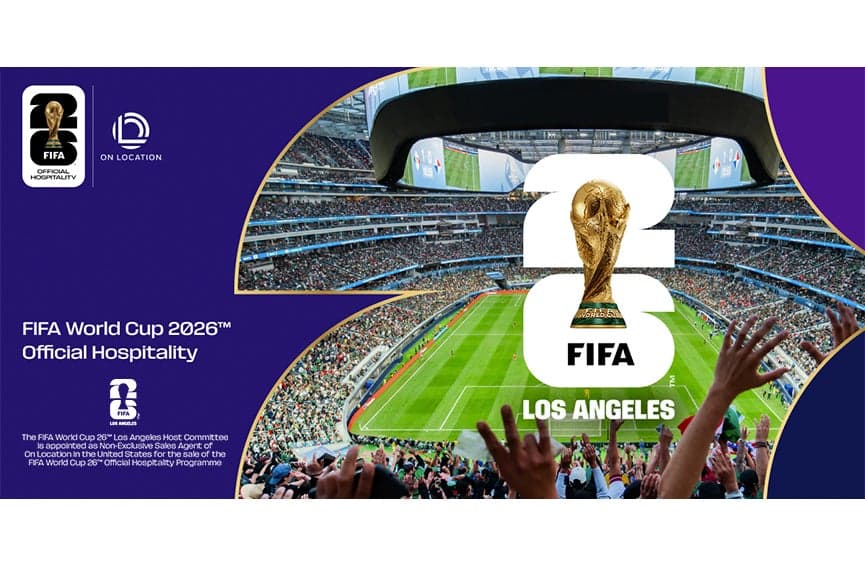
FIFA has set the 2026 tournament for June 11 through July 19, with 48 teams and 104 matches spread across 16 host cities in the United States, Mexico and Canada. For the United States, it will be the second men’s World Cup it has hosted, following 1994, when Los Angeles also staged the final at the Rose Bowl. This time, Los Angeles will host eight matches, including the U.S. opener and a quarterfinal, adding civic and economic pressure to the sporting demands.
The backdrop is different from 2022. Major League Soccer said its 2024 regular season drew a record average attendance of 23,234 per match, and more than 11 million fans attended league games that year. That growth gives the World Cup a wider platform, but also a clearer test: whether a home tournament can turn interest into loyalty, and loyalty into lasting credibility. Christian Pulisic remains the most recognizable face of that effort, and the expectation around him and Pochettino is blunt. In 2026, the United States is not merely hosting soccer’s biggest event. It is being judged on whether it can finally deliver.
This article was produced by Prism’s automated news system from verified source data, official records, and press releases, then run through automated quality and moderation checks before publishing. The system is built and supervised by the people who set the standards it runs under. Read our full AI policy.
Know something we missed? Have a correction or additional information?
Submit a Tip