U.S. stands by decision to deny World Cup referee Omar Artan entry
The U.S. said Omar Artan was barred after extra inspection in Miami, citing vetting concerns and alleged terror ties as FIFA kept him off the 2026 World Cup.
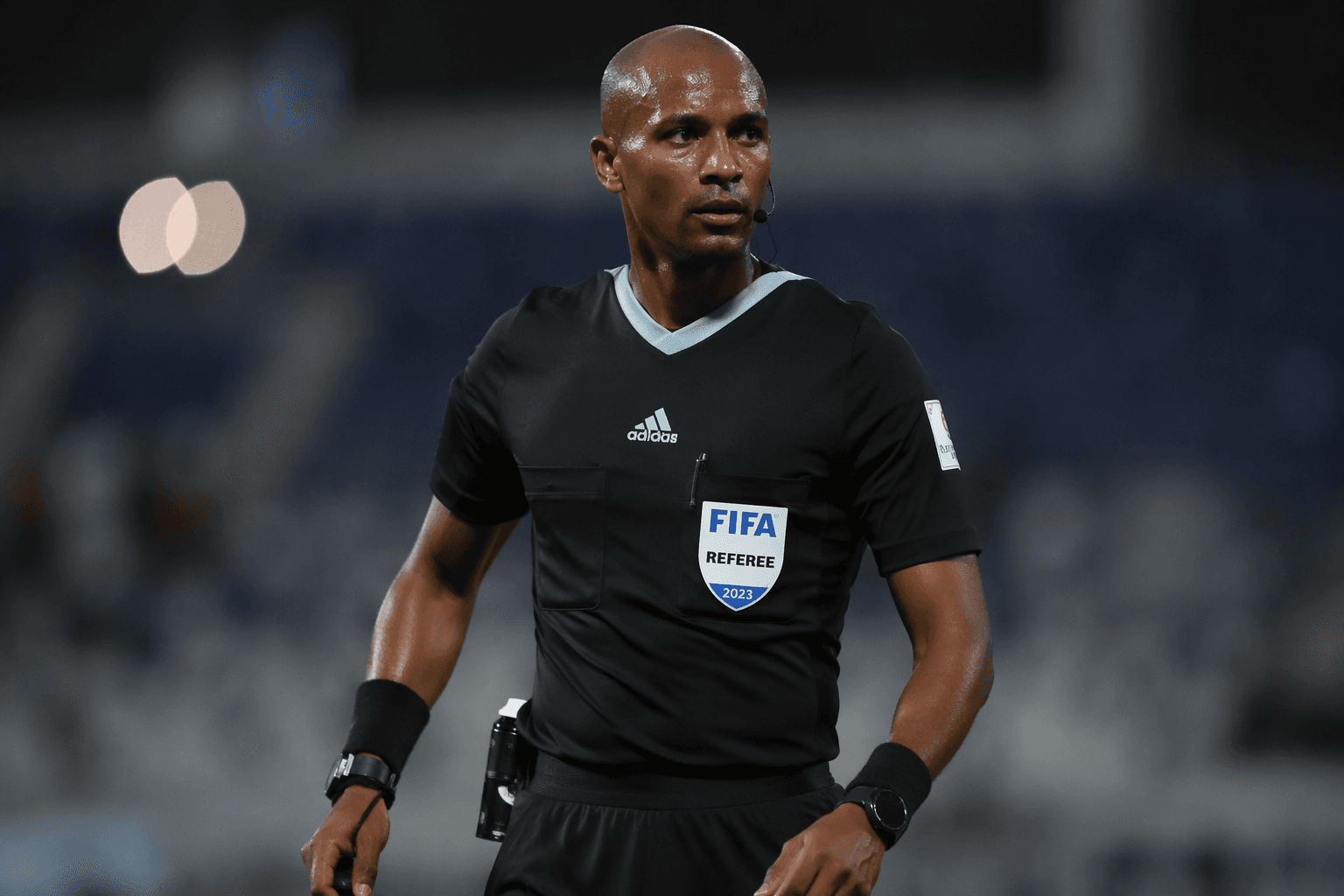
The U.S. is standing by its decision to block Omar Artan from entering the country, turning a routine border ruling into a test of how transparently America is policing the 2026 World Cup. Andrew Giuliani, the executive director of the White House World Cup task force, defended the move even as the case raised questions about what standard is being used to bar an accredited tournament official.
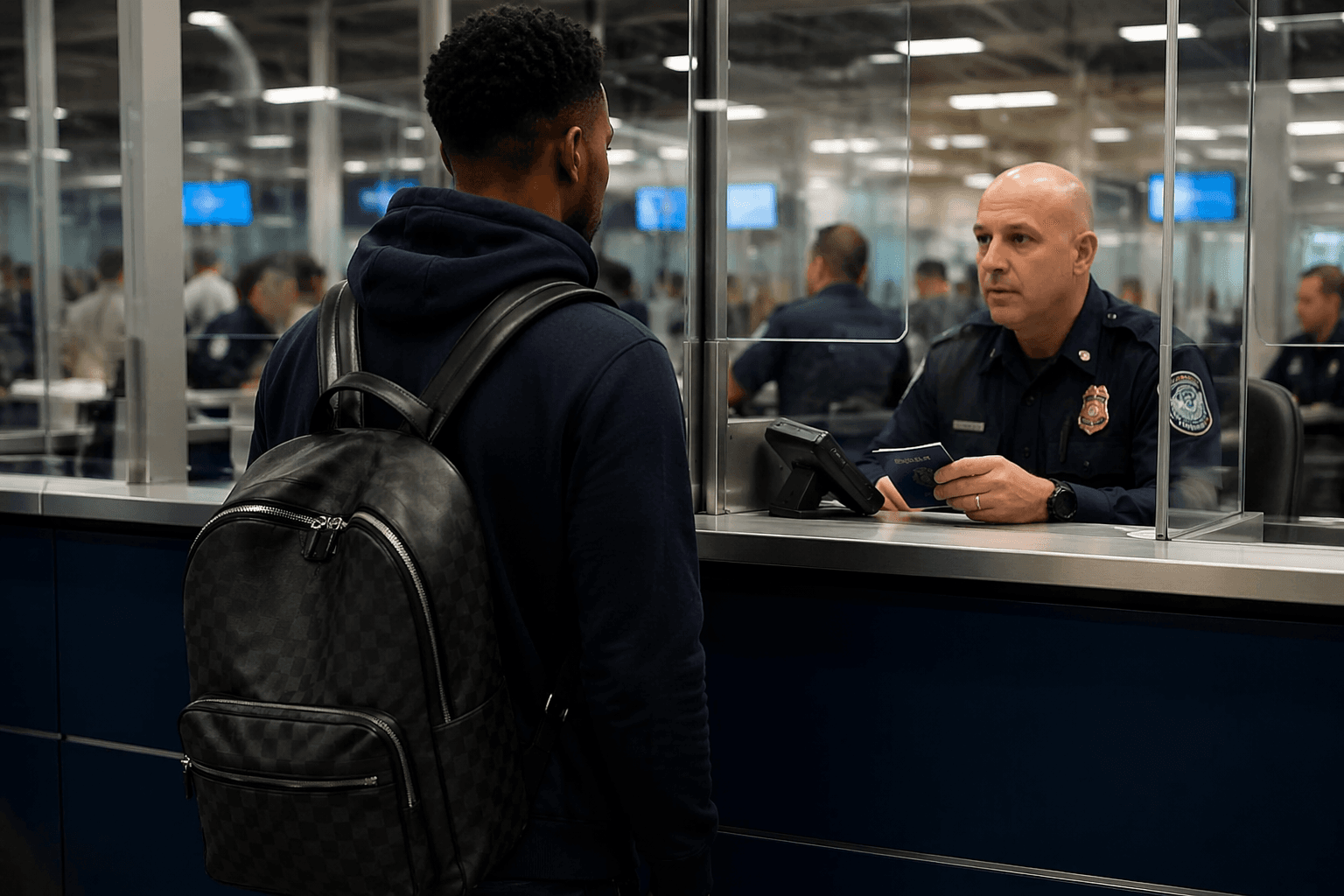
U.S. Customs and Border Protection said Artan arrived at Miami International Airport from Istanbul on Saturday, June 6, 2026, underwent additional inspection, and was ultimately found inadmissible because of "vetting concerns." A U.S. official later said Artan was refused admission because of an association with suspected members of terror organizations. That explanation, broader than a simple visa denial, places the focus on security screening and the evidence threshold behind it.
Giuliani said at an Atlantic Council event on Tuesday, June 9, 2026, that the United States had already admitted 35 teams for the tournament and that no players or coaches had been denied visas. The distinction matters: Artan was not a player, coach or fan, but one of only 52 referees selected by FIFA for the 2026 World Cup, making his exclusion a direct operational issue for the sport’s governing body and for a host country preparing to stage matches across the United States, Mexico and Canada.
FIFA confirmed that Artan would be unable to train and officiate at the 2026 World Cup after being denied entry into the United States. The organization also said it is not involved in host-country immigration processes, including visa adjudications. That leaves the U.S. with broad discretion at a moment when the tournament is meant to showcase cross-border cooperation and administrative competence, not opaque enforcement.
Artan, who was expected to become the first Somali-born referee to officiate at a men’s World Cup, had also been reported as the Confederation of African Football’s men’s referee of the year in 2025. Reports said FIFA will still pay him his full tournament fee despite the denial, underscoring how a border decision in Miami has already altered one of the tournament’s most closely watched appointments. For a country asking to be trusted with the largest World Cup in history, the burden now is not just security, but explanation.
This article was produced by Prism’s automated news system from verified source data, official records, and press releases, then run through automated quality and moderation checks before publishing. The system is built and supervised by the people who set the standards it runs under. Read our full AI policy.
Know something we missed? Have a correction or additional information?
Submit a Tip