US strikes hit 90 Iranian targets as Strait of Hormuz tensions rise
CENTCOM said it hit 90 targets as Iran’s strikes and U.S. retaliation pushed Strait of Hormuz shipping to a near-standstill, stranding about 6,000 seafarers.
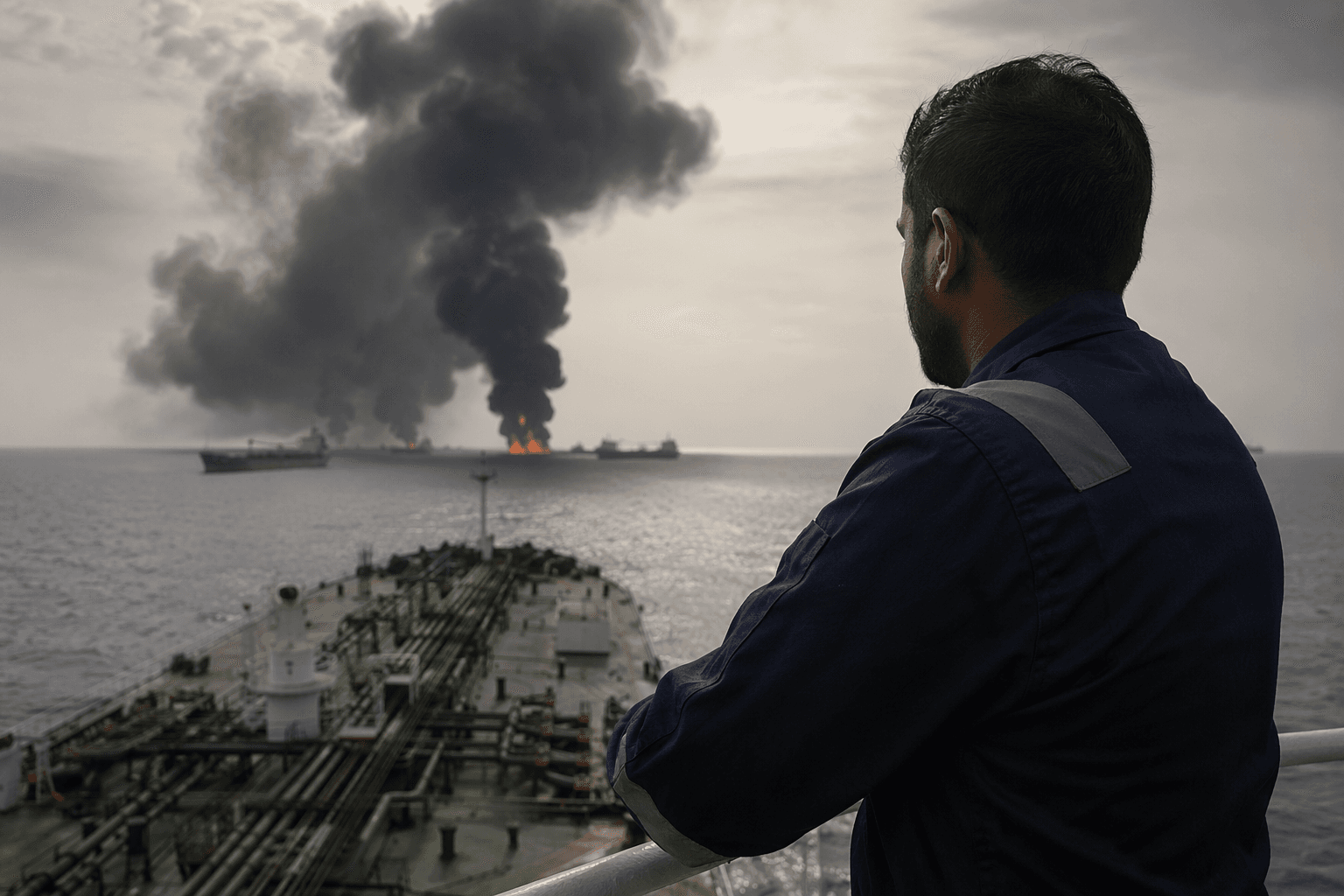
U.S. Central Command said it struck about 90 Iranian military targets in a new round of attacks, widening a confrontation that has already shaken shipping through the Strait of Hormuz and raised the risk of a broader regional clash. Iran’s health ministry said 14 people had been killed and 78 injured over two days of U.S. strikes, with 47 of the injured still hospitalized.
The U.S. military said the attacks were meant to reduce Iran’s ability to threaten freedom of navigation in the strait, a narrow waterway that handles roughly 20% of the world’s oil traffic. The renewed fighting followed Iranian attacks on commercial ships in the passage and came as traffic through the chokepoint fell sharply. The United Nations said the conflict had brought shipping in the Strait of Hormuz to a near-standstill and left around 6,000 seafarers stranded aboard hundreds of vessels.
CENTCOM said the latest strikes hit air defense systems, coastal surveillance assets, and missile and drone storage sites along Iran’s coastline. Iranian state media said projectiles also struck the perimeter of the Bushehr nuclear power plant, Iran’s only civilian nuclear facility, although the U.S. has not publicly commented on those reports. The plant’s location on the Gulf coast makes any damage there especially sensitive in a crisis already tied to maritime security.

The escalation carried political weight inside Iran as much as it did on the water. As Iran buried Ayatollah Ali Khamenei in Mashhad, Iranian officials said attacks had intensified across the country and Tehran retaliated by targeting U.S. military sites in Gulf states. President Donald Trump said the ceasefire with Iran was “over,” underscoring how quickly the conflict had moved from isolated exchanges to a wider cycle of strikes, reprisals, and threats to one of the world’s most important shipping lanes.
This article was produced by Prism’s automated news system from verified source data, official records, and press releases, then run through automated quality and moderation checks before publishing. The system is built and supervised by the people who set the standards it runs under. Read our full AI policy.
Did this article answer your question?