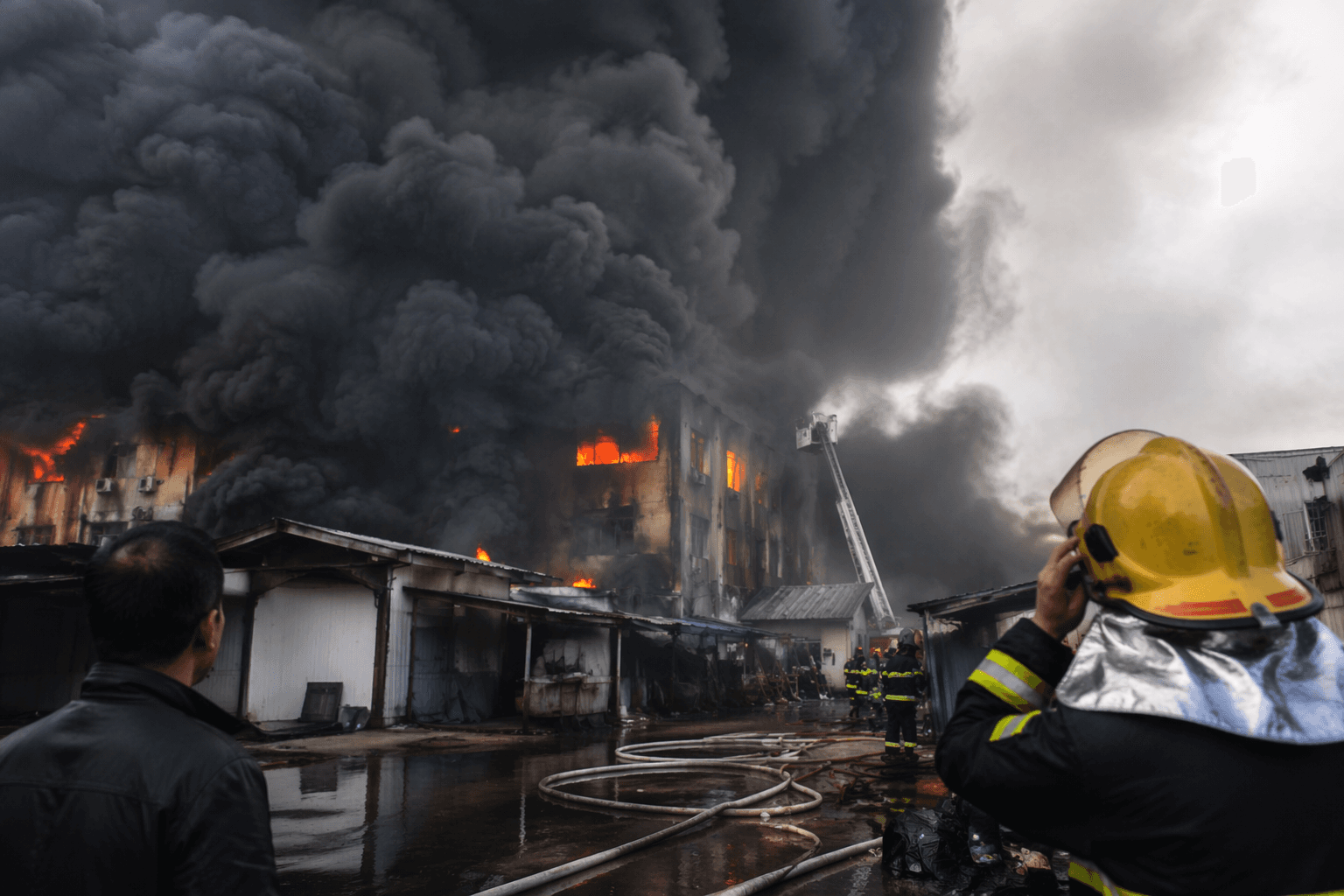
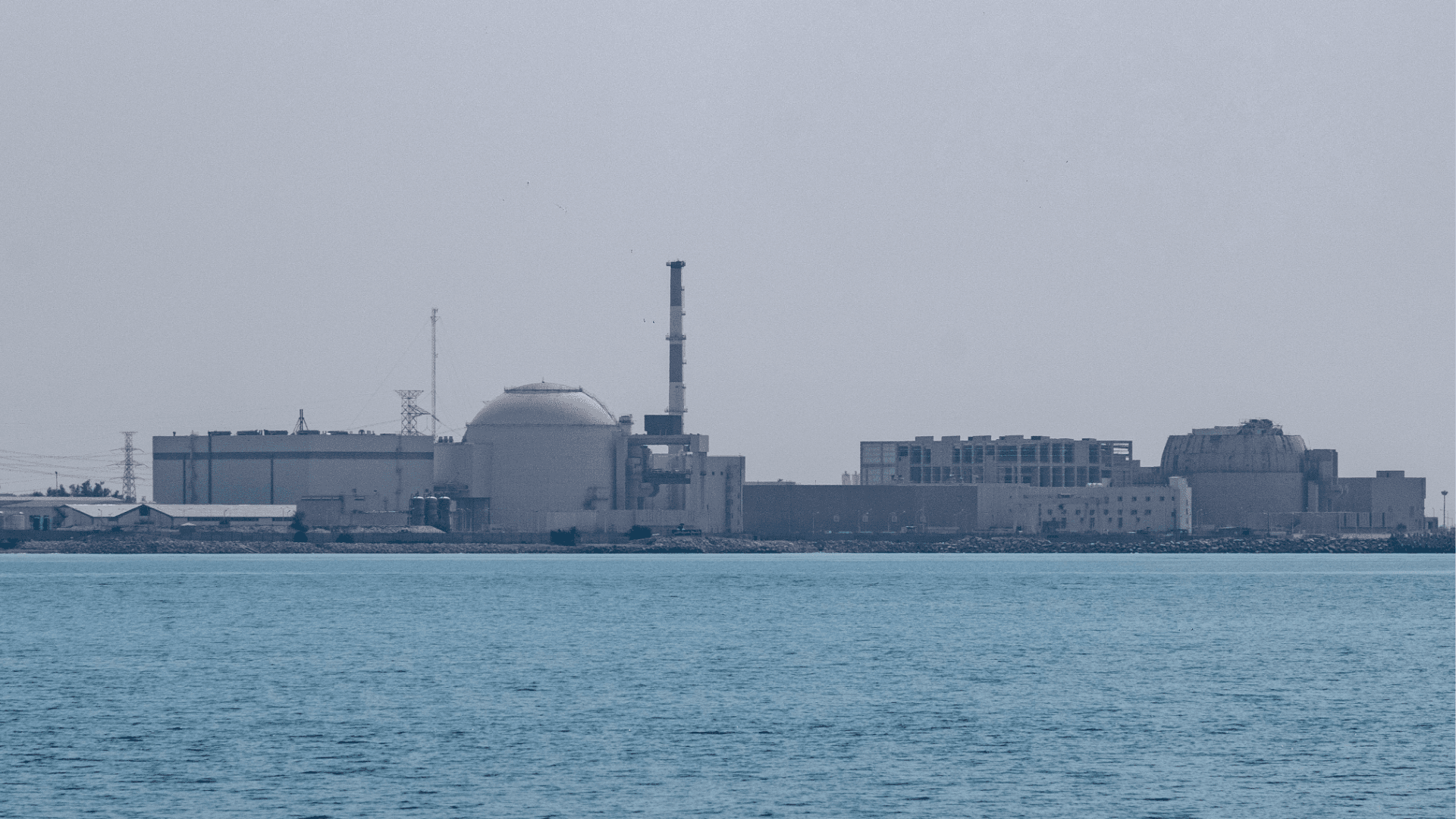
U.S. strikes Iran again as Gulf attacks threaten Hormuz shipping
U.S. airstrikes on Iran triggered retaliatory hits on Kuwait and Bahrain, pushing the Hormuz fight closer to a broader Gulf war.
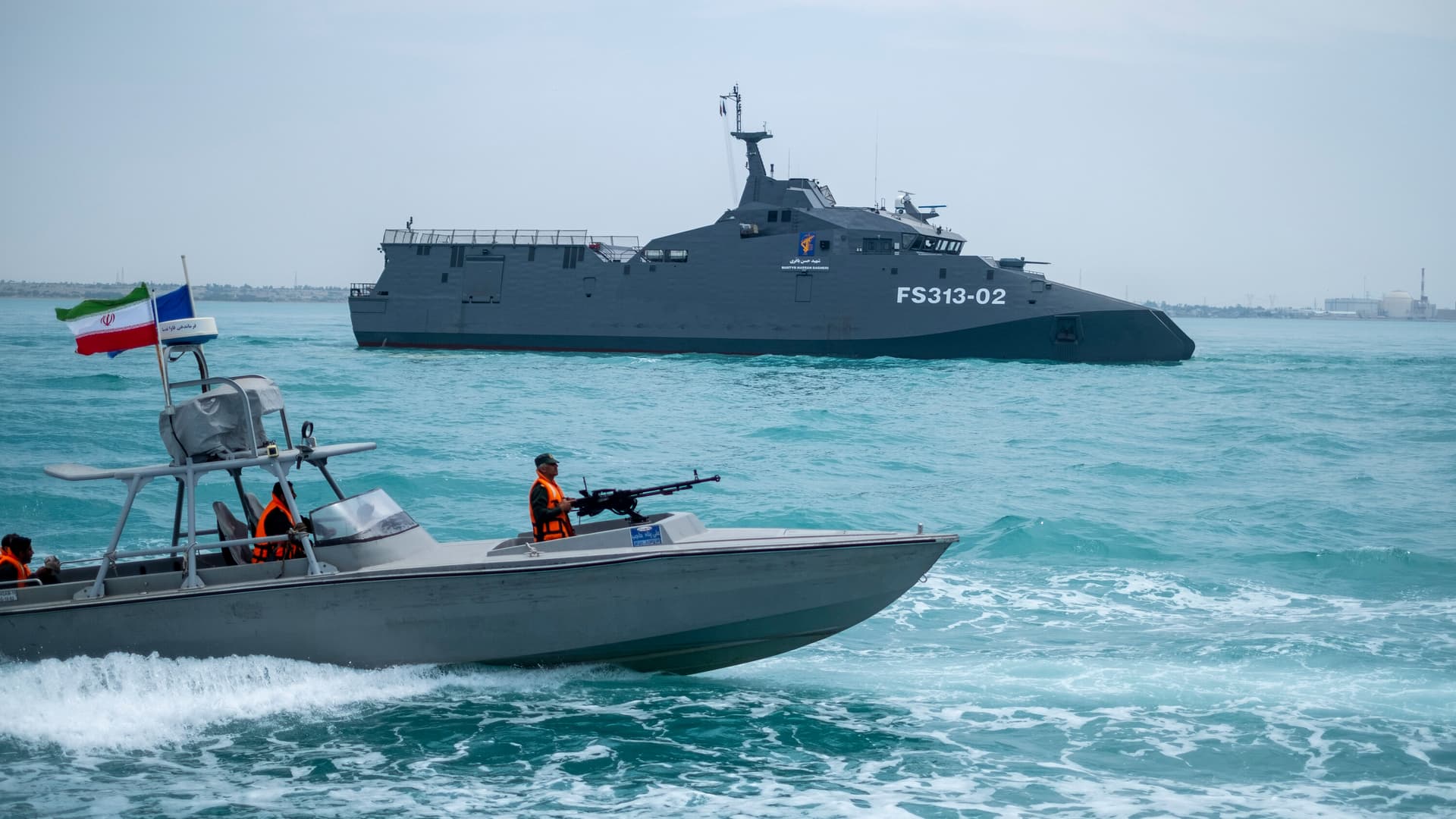
The U.S. military launched fresh strikes on Iran on July 8, saying the goal was to keep the Strait of Hormuz open to shipping after attacks on three cargo ships crossing the waterway. Iran answered by striking Kuwait and Bahrain, with some accounts also naming Qatar, and the exchange quickly widened fears that the conflict could spill deeper into the Gulf.
President Donald Trump said the cease-fire or interim agreement was “over,” underscoring how quickly the latest round of violence had erased the narrow space that had remained for de-escalation. The American military believed it had hit around 90 targets in Iran, a scale that suggested Washington was trying to impose costs fast enough to deter further attacks on commercial traffic and nearby states.
The stakes run far beyond the battlefield. The Strait of Hormuz is a critical chokepoint for global energy shipments, and the latest attacks revived concern over Gulf security, tanker traffic and oil prices. Kuwait accused Iran of fresh attacks after the U.S. strikes, adding another layer of pressure on neighboring states already trying to avoid becoming direct combatants.
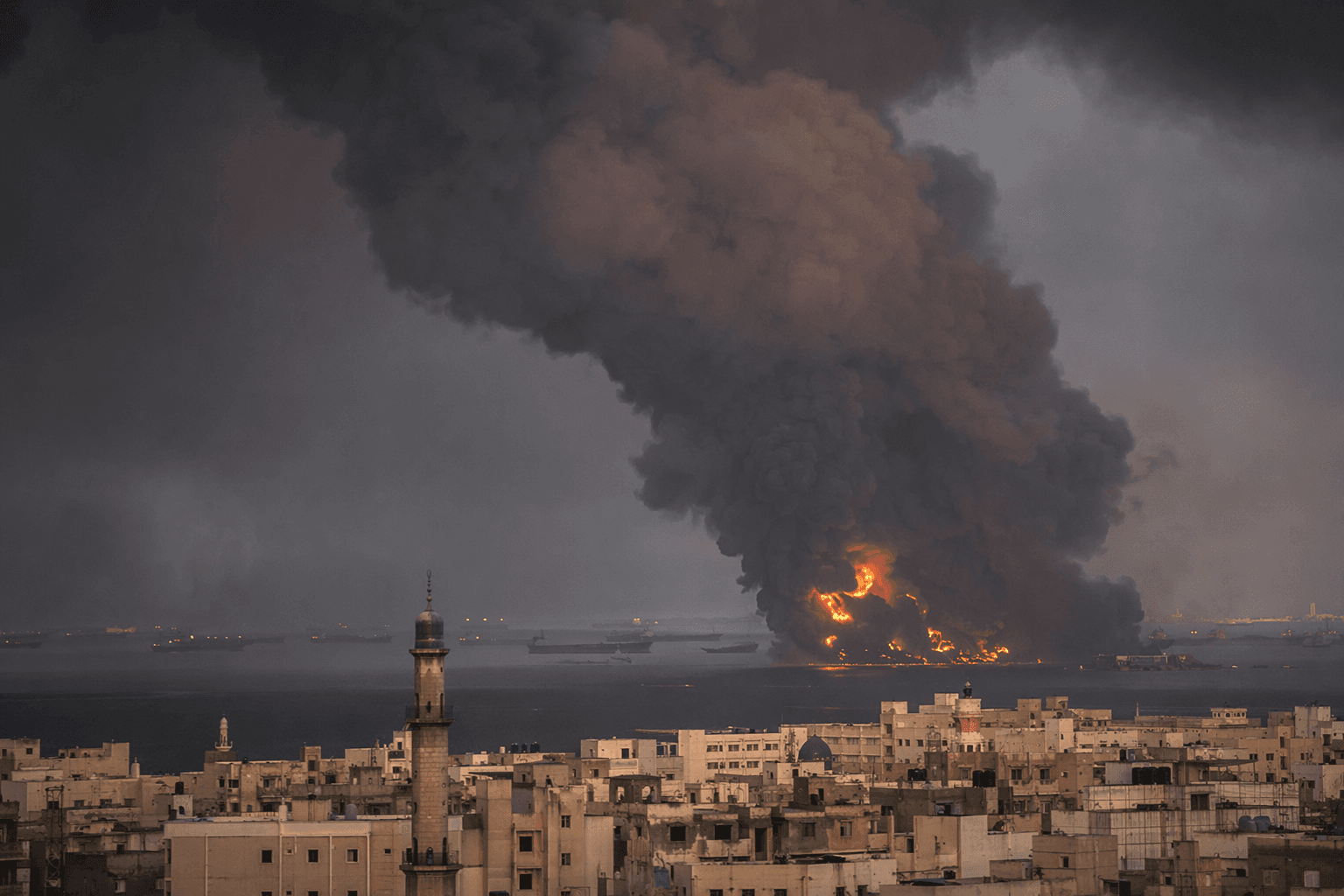
The fighting marked another break in a war that began with U.S.-Israeli strikes on Iran on February 28, 2026, when Iran’s Supreme Leader was killed and the region was pulled into a wider conflict. A 60-day cease-fire framework later offered a fragile pause, but that arrangement collapsed again in July as attacks on vessels, U.S. strikes on Iranian targets and retaliation across Gulf nations fed a cycle that now threatens to pull in more states.
For the next 48 hours, the immediate risk is concentrated in three places: U.S. troops and facilities around the Gulf, shipping lanes through Hormuz and the diplomatic channels still open to Kuwait, Bahrain and Qatar. Each new strike narrows the room for a stand-down and raises the odds that the confrontation will be judged not as a border skirmish, but as the opening phase of a wider regional war.
This article was produced by Prism’s automated news system from verified source data, official records, and press releases, then run through automated quality and moderation checks before publishing. The system is built and supervised by the people who set the standards it runs under. Read our full AI policy.
Did this article answer your question?