U.S. strikes Iran again as Gulf states intercept incoming attacks
U.S. strikes hit Iran again as Bahrain, Kuwait and Qatar rushed to intercept incoming drones and missiles, widening the fight around the Strait of Hormuz.

U.S. forces launched new airstrikes against Iran early Thursday, and Bahrain, Kuwait and Qatar moved to intercept incoming drones and missiles as the conflict spilled deeper into Gulf airspace. Sirens sounded at least twice in Bahrain, home to the U.S. Navy’s 5th Fleet headquarters, while Qatar briefly raised its security threat level before giving the all-clear.
The latest strikes came in response to Tuesday’s assault on three cargo ships in the Strait of Hormuz, and a U.S. official said Wednesday’s wave would be larger than the earlier attack. U.S. Central Command said the goal was to further degrade Iran’s ability to threaten freedom of navigation in the strait, a chokepoint that carried a fifth of global oil supplies before the war began.

Explosions hit Bushehr, Chabahar, Konarak, Bandar Abbas and Sirik. A strike killed a firefighter at an airport in Iranshahr, and U.S. attacks hit bridges for the first time since April. The Iranian Revolutionary Guard said two bridges were struck on the road to Mashhad, where officials planned to bury Ayatollah Ali Khamenei on Thursday. Iran’s Health Ministry said 14 people were killed and 78 were injured across five provinces.
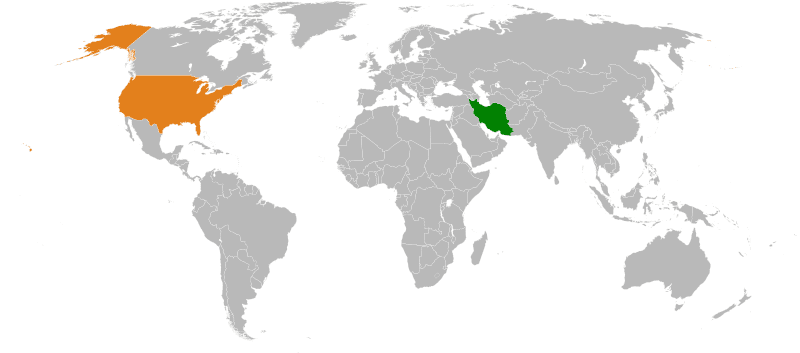
The war began with U.S. and Israeli attacks on Feb. 28. Donald Trump said he believed the ceasefire with Iran was over and warned on Truth Social that attacks on shipping would bring worse consequences. Tehran’s top negotiator, Mohammad Baqer Qalibaf, said Iran would reopen the Strait of Hormuz only under Iranian arrangements, not through U.S. threats.
This article was produced by Prism’s automated news system from verified source data, official records, and press releases, then run through automated quality and moderation checks before publishing. The system is built and supervised by the people who set the standards it runs under. Read our full AI policy.
Did this article answer your question?