U.S. strikes Iran targets as ceasefire talks continue, oil jumps
U.S. strikes near the Strait of Hormuz rattled oil markets as Iran warned of retaliation and ceasefire talks in Qatar pressed on.
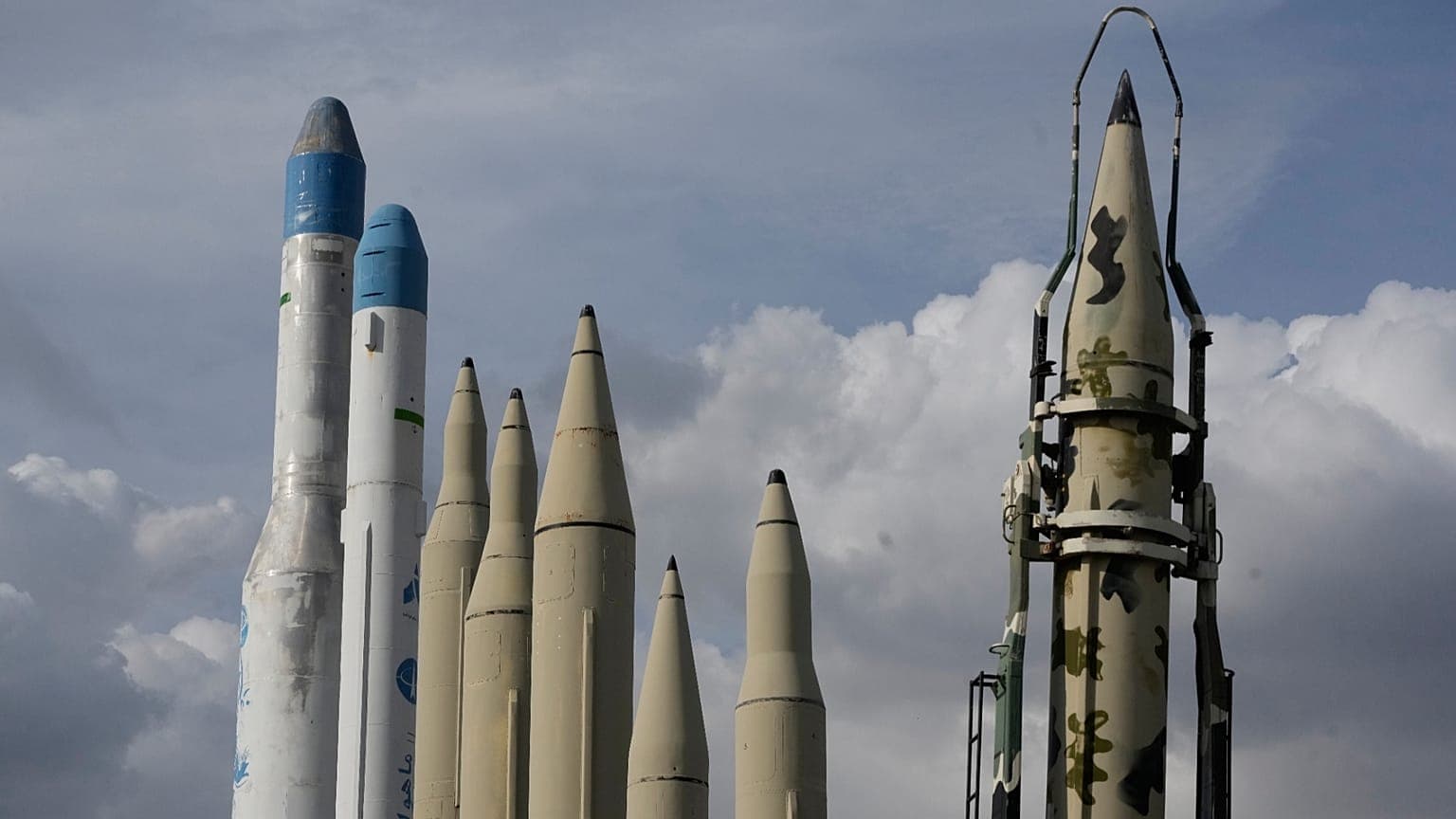
U.S. forces struck missile launch sites and boats they said were trying to emplace mines near the Strait of Hormuz, a move U.S. Central Command called “self-defense strikes” meant to protect American troops. The action came as a temporary ceasefire, in place since April 8, 2026, remained under strain, and Brent crude climbed about 3% as traders priced in the risk that the fighting could spill into the world’s most sensitive energy chokepoint.
Marco Rubio said Tuesday that talks with Iran were still moving and could take “a few more days,” with negotiators focused on specific language in the draft agreement and on restoring maritime transit through the strait. Rubio said the waterway, through which around 20% of the world’s oil and natural gas flows, needed to stay open “without tolls.” That formulation underscored the core issue now driving both diplomacy and brinkmanship: whether the ceasefire can survive while the main shipping lane for Gulf energy remains vulnerable to mines, missiles and fast-moving boats.
The diplomatic track stayed alive in Qatar, where Iranian negotiators were reported to be holding talks with Qatari mediators even as the strikes unfolded. That parallel process matters because it gives both sides a narrow off-ramp, but it also leaves the agreement exposed to any fresh attack near the strait. If mine-laying continues, if a tanker is hit, or if U.S. strikes expand beyond what Washington has described as defensive action, the dispute could move from signaling to direct conflict over the sea lane itself.
Tehran answered by accusing Washington of a “gross violation” or “clear violation” of the ceasefire. Iran’s foreign ministry said it held the United States responsible for any consequences and would not leave the attacks unanswered, while the Islamic Revolutionary Guard Corps vowed a decisive response to any breach. Iranian state media reported explosions in Bandar Abbas, near the strait in the Hormozgan region, and said the IRGC claimed to have downed a U.S. MQ-9 drone and fired at a U.S. F-35 fighter jet.
That exchange points to the clearest escalation path now in view: pressure on shipping or U.S. forces near the Strait of Hormuz would likely force a broader military response, while a strike on American assets or a serious disruption to commercial traffic could collapse the ceasefire entirely. For now, the talks continue under fire, and the next move by either side could decide whether the corridor stays open or becomes the trigger for a wider regional war.
This article was produced by Prism’s automated news system from verified source data, official records, and press releases, then run through automated quality and moderation checks before publishing. The system is built and supervised by the people who set the standards it runs under. Read our full AI policy.
Know something we missed? Have a correction or additional information?
Submit a Tip