U.S. strikes Iranian air defenses after Apache helicopter downed
U.S. jets hit nearly 20 Iranian air-defense sites after an Apache helicopter was downed near the Strait of Hormuz, stoking fears of wider retaliation.
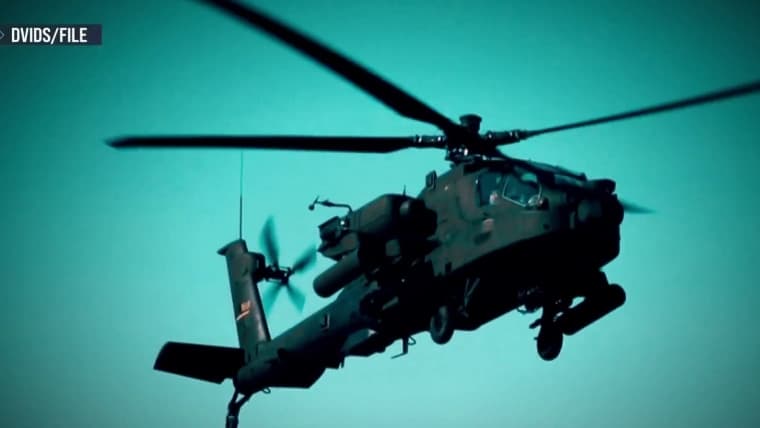
U.S. warplanes struck Iranian air defenses, ground control stations and surveillance radar sites near the Strait of Hormuz after an Army Apache helicopter was downed, escalating a confrontation that is now testing the limits of an already fragile truce. U.S. Central Command said the retaliatory operation was completed June 9 at the direction of the commander in chief and described it as self-defense.
CENTCOM said the strike package used precision munitions from U.S. Air Force and Navy fighter jets and hit nearly 20 Iranian targets. The stated aim was proportional response, not open-ended escalation, after recent attacks on U.S. forces and international commercial ships moving through regional waters. The downed helicopter’s two pilots were uninjured, and Iran has not directly claimed responsibility for bringing it down.
The U.S. response immediately widened the danger zone. Iran launched drone and missile attacks early Wednesday local time against military bases in Jordan, Bahrain and Kuwait, and Jordan said it intercepted five Iranian missiles. Bahrain and Kuwait activated air defenses as the region braced for further retaliation, while the Muwaffaq Salti Air Base in Jordan, which has hosted American F-35s and other aircraft, became part of the widening military alert.
President Donald Trump had signaled that a U.S. answer was coming and later told ABC News that it should be “very strong” and “very powerful.” He had also said negotiations over the Iran war were in their “final throes” and could be resolved in “two or three days,” a timetable that now looks far less secure as missiles and drones trade places with diplomacy.
The strikes carry a clear objective: degrade the systems that help Iran detect, track and challenge U.S. aircraft and shipping in the Gulf. They also carry clear risks. Each round of retaliation raises the chance of mission creep, more direct attacks on U.S. personnel, and a broader rupture in Gulf security at a moment when Bloomberg said the fighting had jolted a two-month-old truce and threatened talks aimed at lasting peace in the Middle East.
What comes next now hinges on whether Tehran limits its response to symbolic fire or broadens it into a sustained campaign against American and allied forces. With the helicopter crew safe but the regional air picture increasingly volatile, the United States has already shown it is willing to answer force with force. The harder question is how far that exchange will be allowed to go.
This article was produced by Prism’s automated news system from verified source data, official records, and press releases, then run through automated quality and moderation checks before publishing. The system is built and supervised by the people who set the standards it runs under. Read our full AI policy.
Did this article answer your question?