U.S. strikes Iranian radar sites after drone shootdown, Kuwait intercepts attack
U.S. strikes in Iran and Kuwaiti intercepts of drones and missiles widened the fight across the Gulf, raising the stakes for American troops and oil shipments.
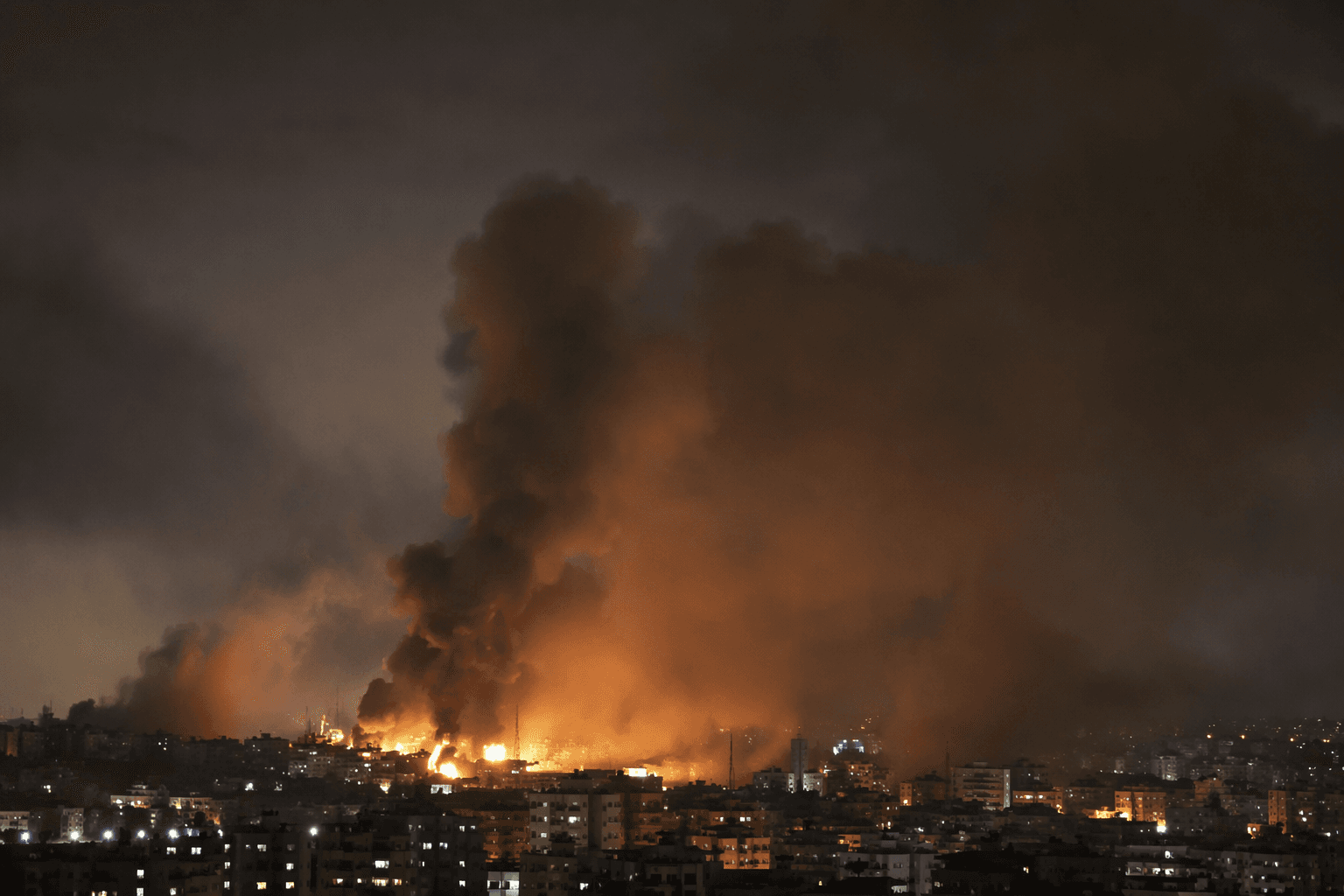
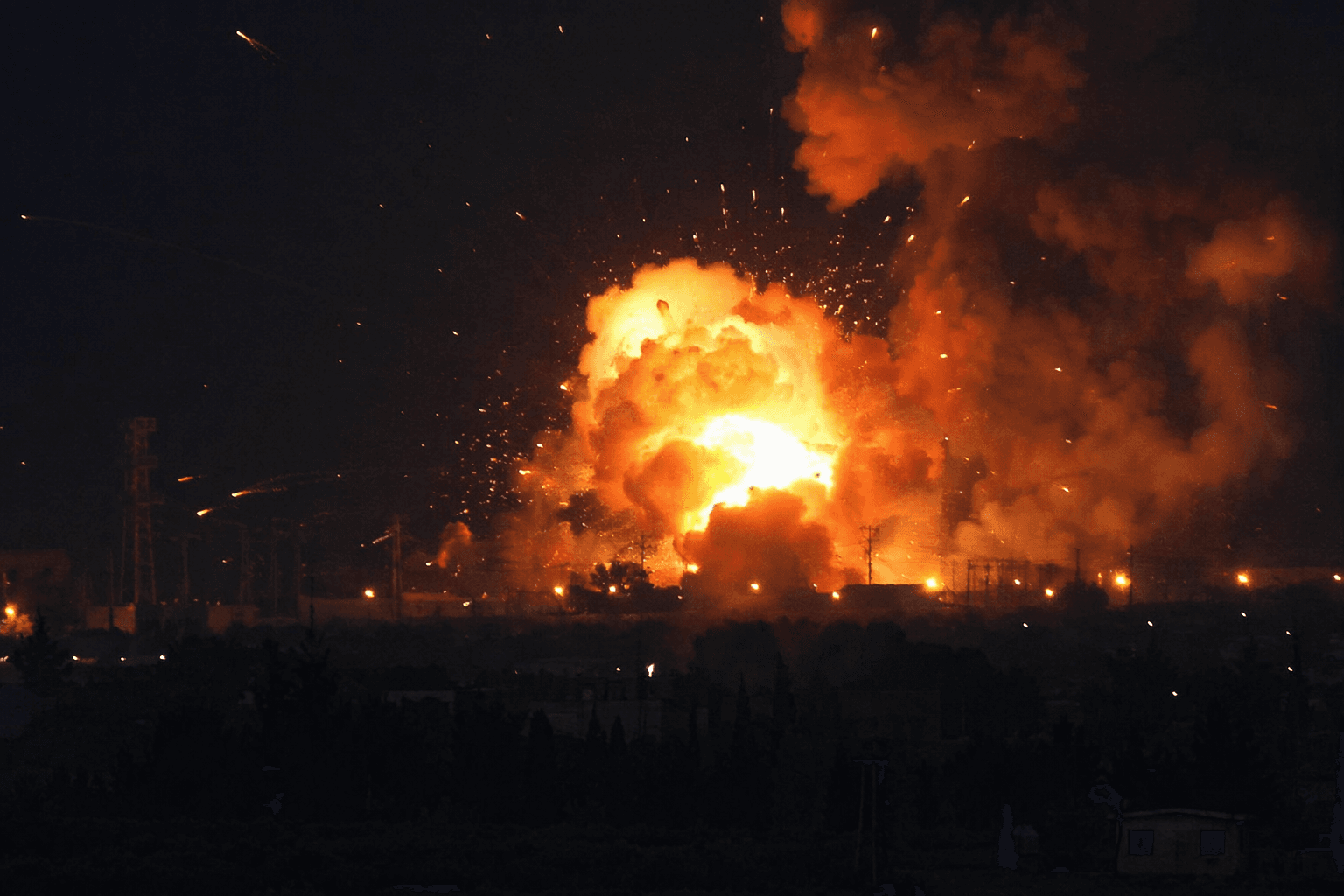
The conflict widened across the Gulf when U.S. Central Command hit Iranian radar and drone-control sites around Geruk and on Qeshm Island, then Kuwait’s air defenses intercepted incoming drone and missile fire early Monday morning. What began with Iran shooting down a U.S. MQ-1 Predator over international waters quickly became a multi-country security test, pulling in a major U.S. base, regional air defenses and the Strait of Hormuz’s energy corridor.
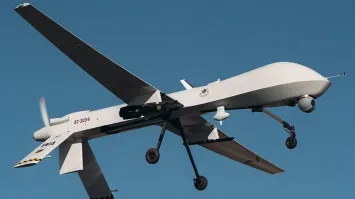
CENTCOM said its strikes on Saturday and Sunday were a response to what it described as aggressive Iranian action. U.S. fighter aircraft destroyed Iranian air defenses, a ground control station and two one-way attack drones that it said threatened ships transiting regional waters. No American troops were hurt. The MQ-1 Predator, once a mainstay of U.S. surveillance and strike operations, has been phased out of Air Force service in favor of the MQ-9 Reaper, though the Army still flies it.
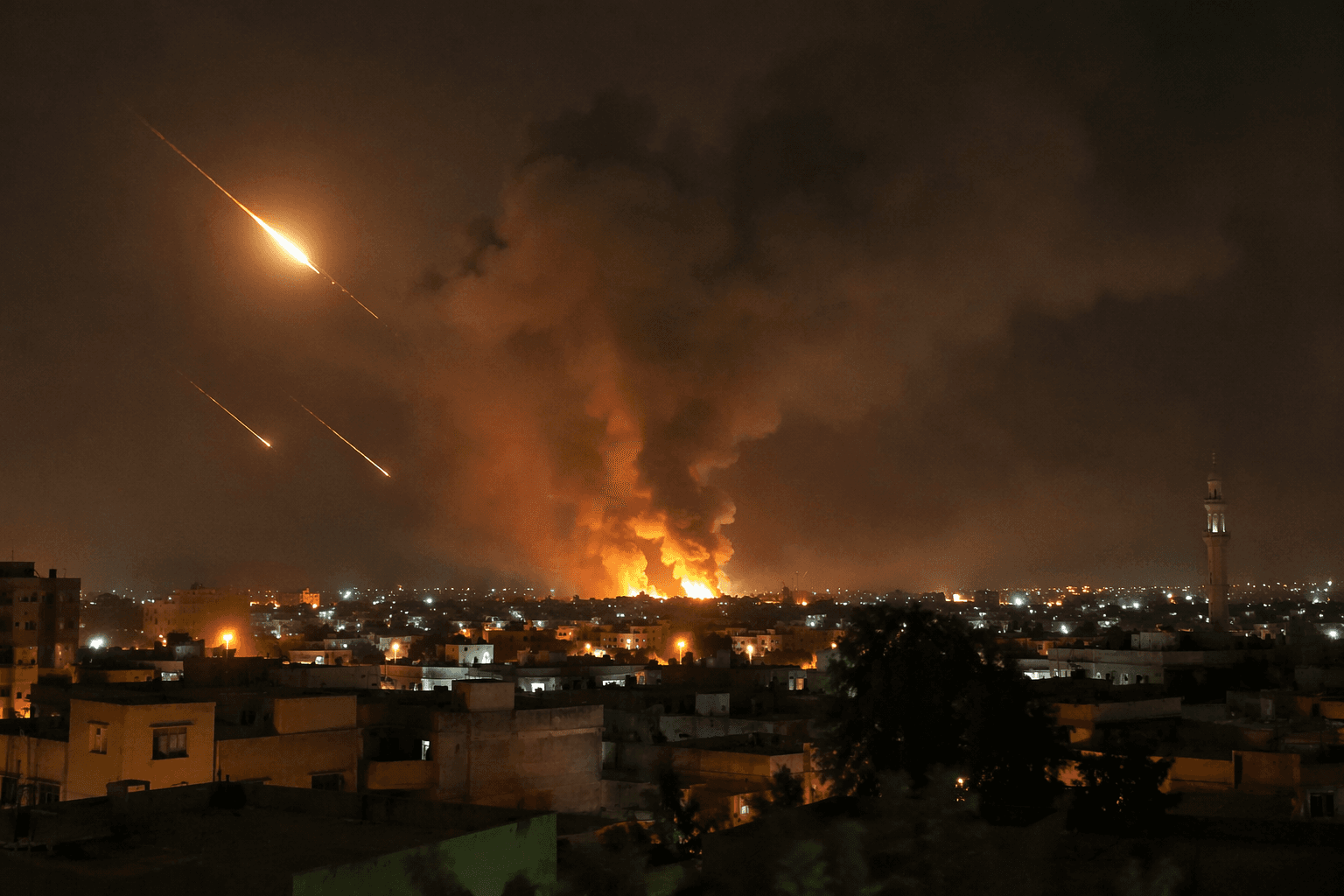
Kuwait, which hosts a major U.S. base and U.S. Army Central, said its forces intercepted the incoming fire, and reports said sirens sounded across the country. The Kuwaiti government did not identify where the drones and missiles came from. No one immediately claimed the attack, but the strike came after Kuwait had already activated its air defenses on Thursday in response to hostile missile and drone threats, underscoring how quickly the pressure around the Gulf had been building.
Iran’s Islamic Revolutionary Guard Corps said in a statement carried by state media that U.S. forces had targeted a telecommunications tower on an island, and said it responded with an attack, though it did not specify where. The back-and-forth unfolded amid a weekslong ceasefire in the Iran war that has been repeatedly strained by renewed attacks, even as American and Iranian officials have tried to keep negotiations alive. The escalation also comes against a broader regional backdrop, with Israeli operations continuing in Lebanon and Hezbollah launching drones into Israel.
The risks extend well beyond the immediate exchange. Iran has kept its hold on the Strait of Hormuz, the narrow waterway that once carried about a fifth of global oil and natural gas trade, and fears over its security pushed oil prices up more than 3%. U.S. officials have said diplomacy will still be given every chance to work, but the latest strikes show how quickly a retaliatory cycle can spill into partner states, threaten American personnel and rattle the world’s energy supply.
This article was produced by Prism’s automated news system from verified source data, official records, and press releases, then run through automated quality and moderation checks before publishing. The system is built and supervised by the people who set the standards it runs under. Read our full AI policy.
Know something we missed? Have a correction or additional information?
Submit a Tip