U.S. strikes Iranian target after missile and drone attacks are thwarted
U.S. forces intercepted Iranian missiles and drones, then struck a control site on Qeshm Island, testing a fragile ceasefire that has barely held since April 7.

U.S. forces shot down three Iranian one-way attack drones and helped defeat multiple ballistic missiles before carrying out a self-defense strike on an Iranian military ground control station on Qeshm Island, U.S. Central Command said Tuesday. No U.S. personnel were harmed.
The exchange unfolded across the Persian Gulf and Strait of Hormuz, one of the world’s most sensitive shipping lanes. CENTCOM said Iran fired ballistic missiles toward regional neighbors, including two aimed at Kuwait that fell short or broke apart en route and three aimed at Bahrain that were intercepted by U.S. and Bahraini air defense forces. The three drones were launched toward civilian mariners transiting regional waters before being shot down.
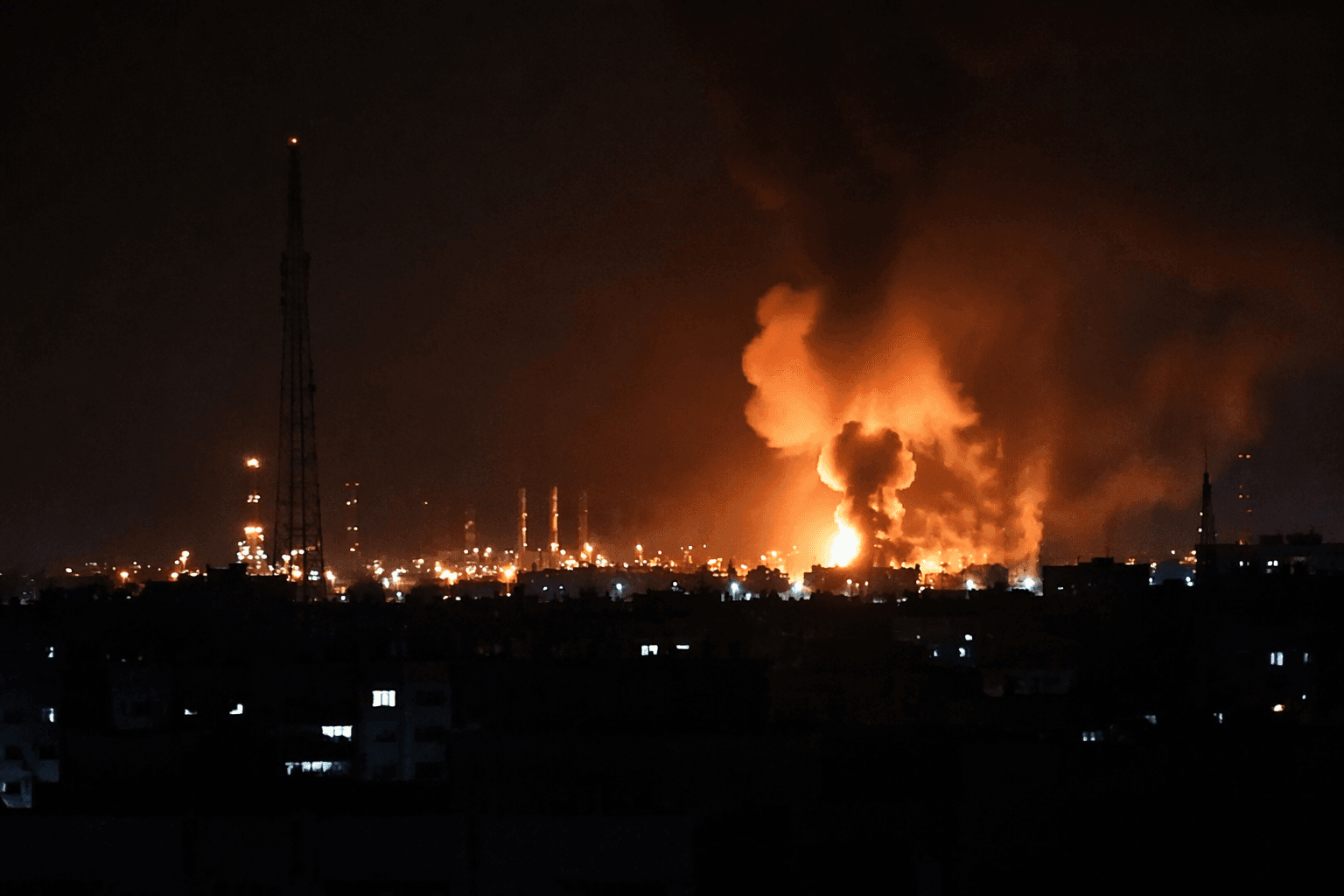
CENTCOM framed the strike on Qeshm Island as a defensive response, not a widening campaign. The island sits in the Strait of Hormuz, giving the hit clear military meaning: Washington was signaling that attacks on ships, bases, or regional partners can still draw direct retaliation even under a ceasefire. CENTCOM said its forces remained vigilant and ready to defend against Iranian aggression during the truce.
The confrontation added another volatile turn to the U.S.-Iran cycle of action and retaliation. The ceasefire began on April 7, 2026, after President Donald Trump announced major combat operations against Iran on Feb. 28, following massive joint U.S.-Israeli strikes on military, government, and infrastructure sites. Since then, U.S. and Iranian negotiators have been discussing a short-term deal to reopen the Strait of Hormuz and broader issues, including Iran’s nuclear program, but no final agreement had been reached.
Iran’s Islamic Revolutionary Guard Corps said its strikes were a response to an earlier U.S. move to disable an oil tanker sailing toward Iran. CENTCOM denied Iranian claims that the U.S. Navy’s Fifth Fleet had been hit in Bahrain. Kuwait’s Foreign Ministry condemned the missile attacks as a “dangerous escalation” and said it held Iran fully responsible.
The next trigger points are clear: another missile or drone volley, fresh pressure on civilian shipping, or renewed disruption in the Strait of Hormuz could push the ceasefire closer to collapse. For now, the exchange looks contained, but only barely.
This article was produced by Prism’s automated news system from verified source data, official records, and press releases, then run through automated quality and moderation checks before publishing. The system is built and supervised by the people who set the standards it runs under. Read our full AI policy.
Did this article answer your question?