U.S. strikes Iranian targets after attacks on ships amid fragile cease-fire
U.S. strikes hit Iranian military sites after attacks on American ships, even as Trump and Hegseth said the cease-fire still stood. The fighting flared near the Strait of Hormuz, the world’s key shipping choke point.
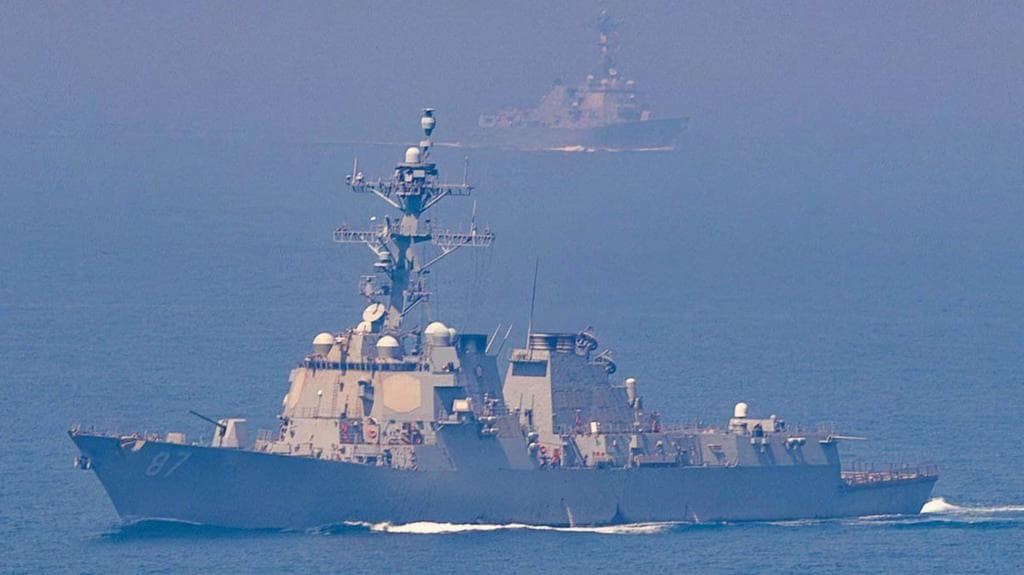
American forces hit Iranian military targets after Iranian attacks on U.S. ships and naval forces, deepening a confrontation that continued to unfold around the Strait of Hormuz even as both sides publicly described a cease-fire as intact. U.S. officials said the strikes were carried out in self-defense after missile, drone and small-boat attacks threatened naval forces and commercial vessels in one of the world’s most sensitive shipping lanes.
Defense Secretary Pete Hegseth said the cease-fire remained in effect after the latest exchange of fire. Donald Trump said the truce was still holding as well, even while warning Iran that it would face harsher strikes if it did not reach a deal quickly. Trump described the American response as a limited “love tap,” a signal that Washington was trying to keep pressure on Tehran without widening the fighting further.

Iranian military officials said U.S. strikes hit two locations in Iran, including ports near the Strait of Hormuz such as Bandar Abbas and Qeshm. U.S. officials said the American strikes targeted Iranian military facilities. The competing claims underscored how quickly a declared pause can fray when both sides are still firing near a waterway that carries a major share of global energy shipments.
The clashes also carried immediate economic consequences. The Strait of Hormuz is a critical shipping chokepoint, and the fighting has already disrupted commercial traffic and raised fears of a wider regional escalation. Earlier in the crisis, the U.S. launched Project Freedom to help guide stranded vessels through the strait after Iranian attacks interrupted shipping, a reminder that the conflict has moved beyond military targets and into the arteries of global trade.
At the diplomatic level, Iranian officials said Washington and Tehran were debating a peace proposal. Mediators, including Pakistan, have been pushing a short-term framework or memo meant to guide a longer negotiation. One of the biggest unresolved issues is Iran’s nuclear program, which remains central to any durable agreement.
For now, the cease-fire exists in the statements of officials in Washington and Tehran, while fire continues to be exchanged near the Strait of Hormuz. The clearest test of de-escalation will be whether the attacks stop, commercial traffic resumes and the talks produce a concrete deal rather than another pause in name only.
Know something we missed? Have a correction or additional information?
Submit a Tip