US to advance GE jet engine sale for Turkey’s KAAN fighter jet
Washington planned to sell dozens of GE engines to Turkey for KAAN, a move worth more than $700 million and meant to land before the NATO summit in Ankara.
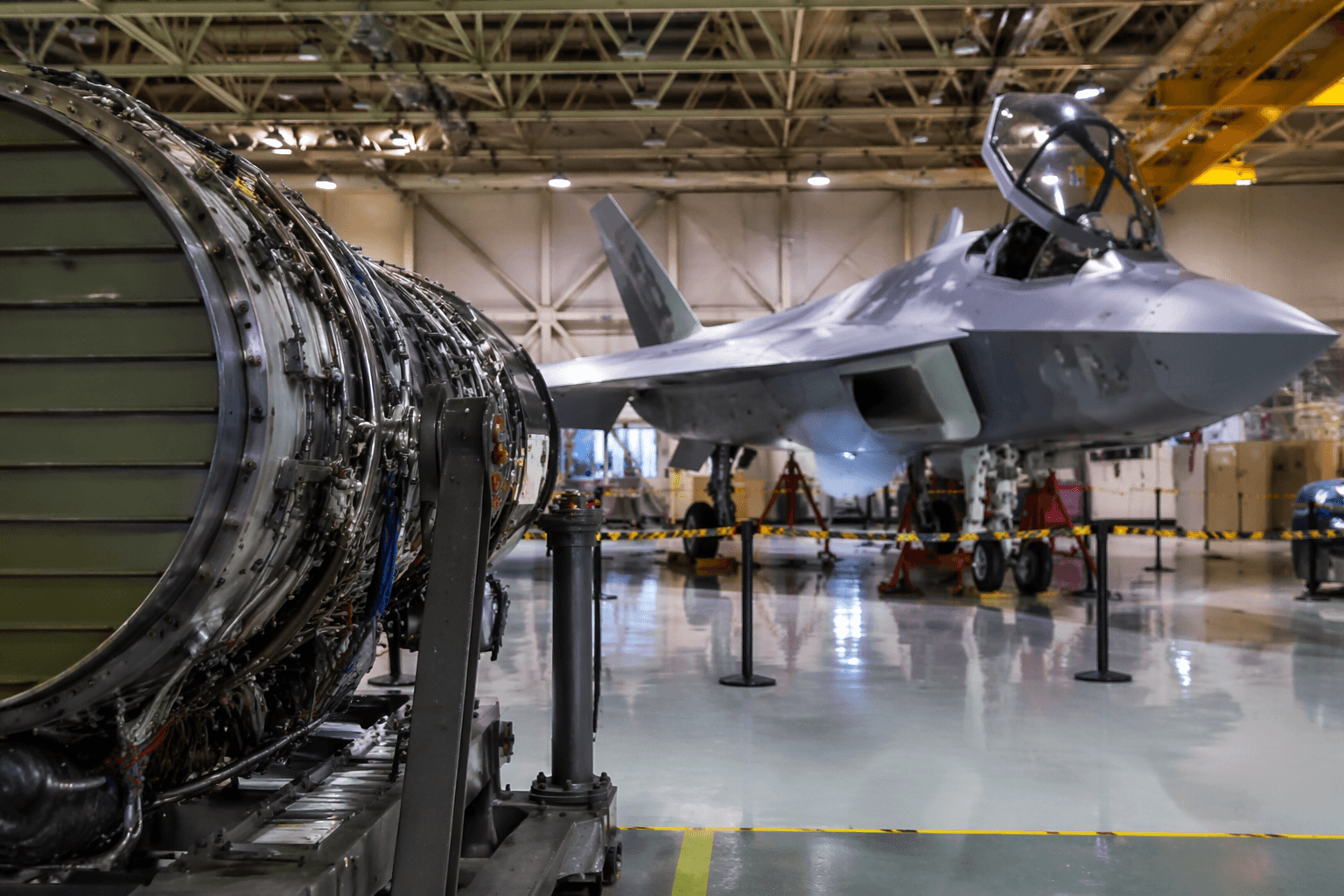
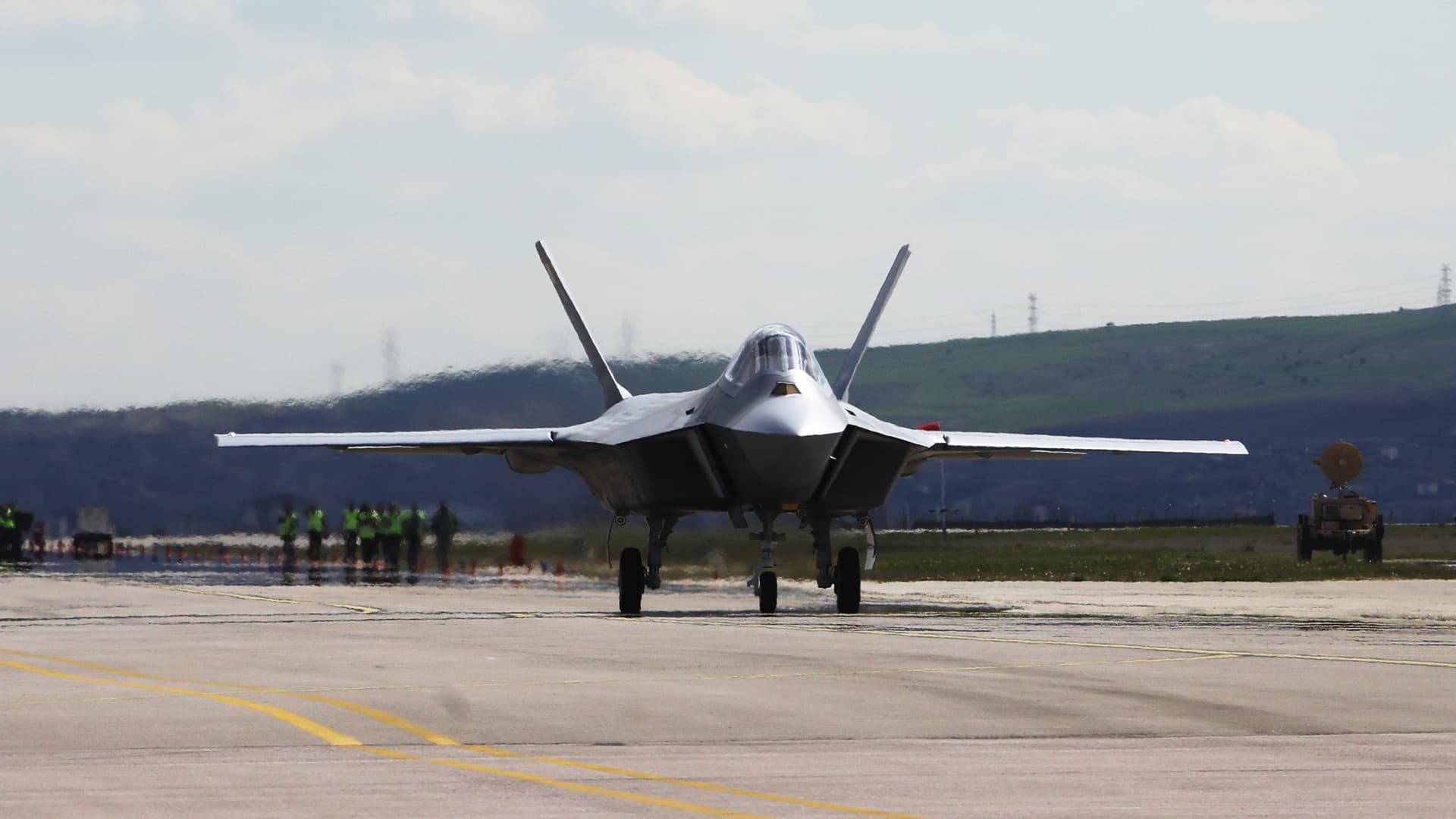
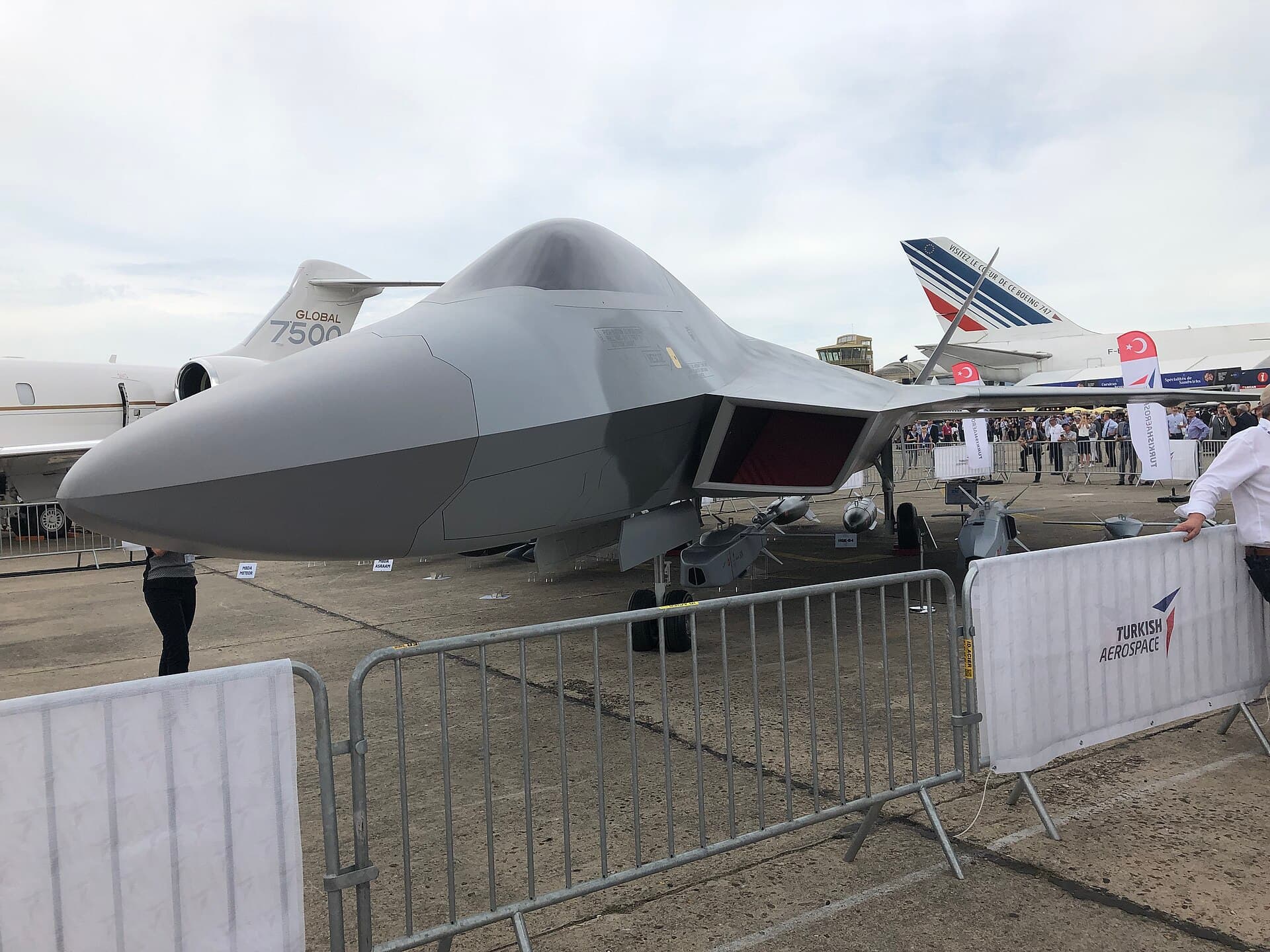
The Trump administration planned to move ahead with the sale of dozens of General Electric jet engines to Turkey, even as some members of Congress objected to the deal. The package could be worth more than $700 million and would power KAAN, Ankara’s first indigenous combat aircraft, putting a major defense transaction at the center of a wider NATO bargain.
The timing gives the deal added weight. Turkey is preparing to host a NATO summit next month, and the proposed engine sale would serve as a signal that Washington wants to keep alliance channels open with a difficult but strategically important partner. For the White House, the transaction would not only support a defense industrial project in Turkey, but also show that the United States still sees room for cooperation with Ankara despite persistent friction over security policy, regional behavior and congressional oversight.
KAAN has been one of Turkey’s marquee defense projects since 2016. Turkey’s Presidency of Defense Industries says the program is meant to design and produce a next-generation fighter aircraft with strong domestic industry participation and technological indigenization. The aircraft moved from concept toward flight testing on February 21, 2024, when KAAN made its first flight, stayed aloft for 13 minutes, reached 8,000 feet and hit 230 knots, according to TÜBİTAK.
The engine sale also touches a long-running rupture in U.S.-Turkey defense ties. Washington removed Turkey from the F-35 program after Ankara acquired Russia’s S-400 air-defense system in 2019, then imposed CAATSA sanctions on Turkey’s Presidency of Defense Industries in December 2020. The U.S. Department of State said those sanctions were imposed because the agency knowingly engaged in a significant transaction with Rosoboronexport in connection with the S-400 purchase. Congressional Research Service material says U.S. law still bars F-35 transfers to Turkey unless Turkey no longer possesses the Russian-origin system.
That legal and political backdrop makes the engine sale more than a commercial transaction. It places the administration in a familiar position, balancing alliance management against congressional resistance and concerns about rewarding Ankara while the F-35 dispute remains unresolved. U.S. officials continue to describe Turkey’s possession of the S-400 as the main obstacle to restoring that cooperation.
The Turkey file has also remained tied to fighter-aircraft politics in Washington. After Turkey approved Sweden’s NATO accession in January 2024, the Biden administration notified Congress of a possible $23 billion F-16 sale and modernization package. Against that history, the KAAN engine deal reflects a broader U.S. calculation: keep a NATO ally engaged, preserve leverage where possible, and accept that Turkey’s defense ambitions are now being shaped by both alliance politics and restrictions from Washington.
This article was produced by Prism’s automated news system from verified source data, official records, and press releases, then run through automated quality and moderation checks before publishing. The system is built and supervised by the people who set the standards it runs under. Read our full AI policy.
Did this article answer your question?