U.S. to nominate American to lead World Food Programme after McCain exit
U.S. will nominate an American to head the U.N. World Food Programme after Cindy McCain, 71, announced she will resign for health reasons; nominee due in coming weeks.
The United States said it will nominate a "highly-qualified American" to lead the U.N. World Food Programme, setting up a potentially consequential fight over governance and donor influence after executive director Cindy McCain announced she will step down for health reasons. The State Department said the candidate will be announced "in the coming weeks," framing the move as "continuing America’s tradition of excellence and responsible stewardship of the organization."
McCain, 71, told colleagues she would resign within three months, citing health problems linked to a mild stroke she suffered in October, according to reporting that summarized her departure statement. A U.N. spokesperson said McCain "will remain in office for three months. From there, the normal selection process for an Executive Director of the World Food Programme will follow its course." McCain became WFP executive director in 2023 after serving as the U.S. representative to U.N. food and agriculture agencies; she is the widow of the late Senator John McCain.
The WFP executive director is appointed jointly by the U.N. secretary-general and the director-general of the Food and Agriculture Organization, and serves a five-year term, according to the program's website. Those institutional checks mean Washington’s nominee will still need the backing of other U.N. bodies to take the post, leaving open the possibility of contested deliberations on the executive board and among member states.
The timing and tenor of the U.S. statement underscore Washington's leverage as the WFP's largest financial contributor. That role has repeatedly translated into influence on strategy and oversight, and U.S. policy documents supplied by the U.S. mission in Rome make that linkage explicit. "We are also proud our farmers continue to answer the call of those in need through trade," the mission said, linking U.S. agricultural capacity to humanitarian delivery. The mission framed WFP as "an implementer for U.S. foreign assistance" while urging faster, concrete reforms, warning that "the United States is not interested in continued discussions about aspirational reform. We will not wait any longer for this change."
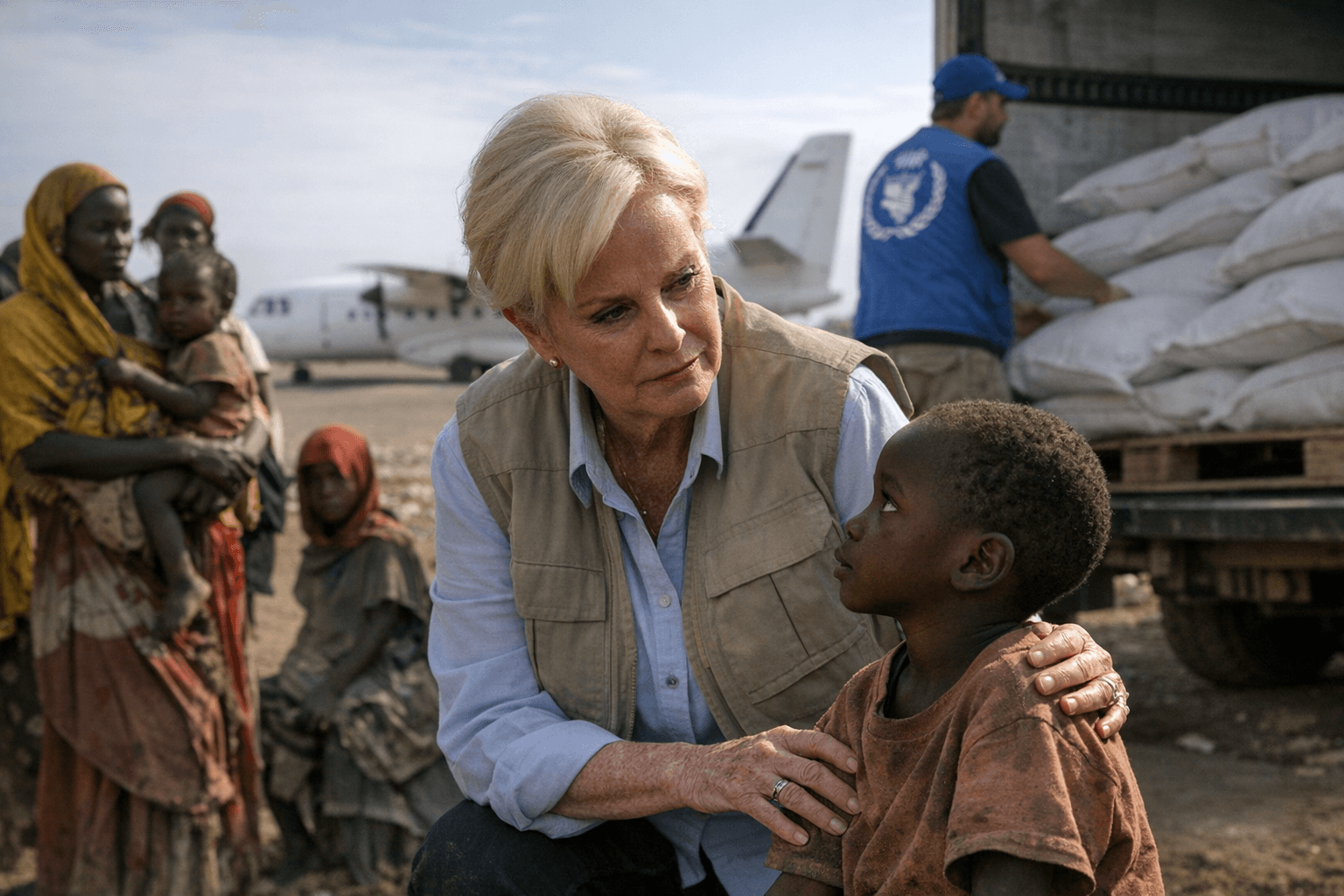
Those comments reflect a broader Washington push to reshape how humanitarian aid is funded and overseen. The U.S. mission invoked historical U.S. leadership in food assistance, noting that since the 1950s American programs helped create the World Food Programme, and stated a desire to "lead transformative change" in the partnership between U.S. agencies and U.N. implementers.
For markets and aid-dependent economies, the transition matters because donor priorities drive procurement, transport and food security programming that affect commodity flows and vulnerable populations. Any shift toward tighter U.S. oversight or prioritization of particular aid modalities could accelerate changes in how food assistance is purchased and delivered, with downstream effects on exporters, logistics firms and recipient-country markets.
Several procedural questions remain unanswered. The identity of the U.S. nominee has not been released, the U.N. secretary-general’s office had not immediately commented on the transition, and the formal joint appointment process will determine whether Washington’s pick is accepted. With McCain remaining in post for three months, the next weeks are likely to be decisive for both WFP leadership and the future shape of U.S.-funded humanitarian operations.
Know something we missed? Have a correction or additional information?
Submit a Tip

