U.S. waits on Iran response as Gulf tensions ease in Hormuz
Calm returned to Hormuz, but Washington still had no Iranian answer as a Qatar LNG tanker headed through the strait with Tehran’s approval.
A temporary lull has taken hold around the Strait of Hormuz, but the larger standoff between Washington and Tehran remained unresolved, leaving one of the world’s most important shipping lanes exposed to a fast return of risk. U.S. officials were still waiting for Iran to answer the latest American proposal to end more than two months of fighting and begin peace talks, even as a Qatari liquefied natural gas tanker moved toward the strait with Iranian approval.
Secretary of State Marco Rubio met Qatari Prime Minister Mohammed bin Abdulrahman Al-Thani in Miami on May 9 and discussed U.S. support for Qatar’s defense, along with closer coordination to deter threats and stabilize the Middle East. The meeting came as Washington pressed for a broader diplomatic track that would formally end the war before negotiations on more contentious issues, including Iran’s nuclear program.
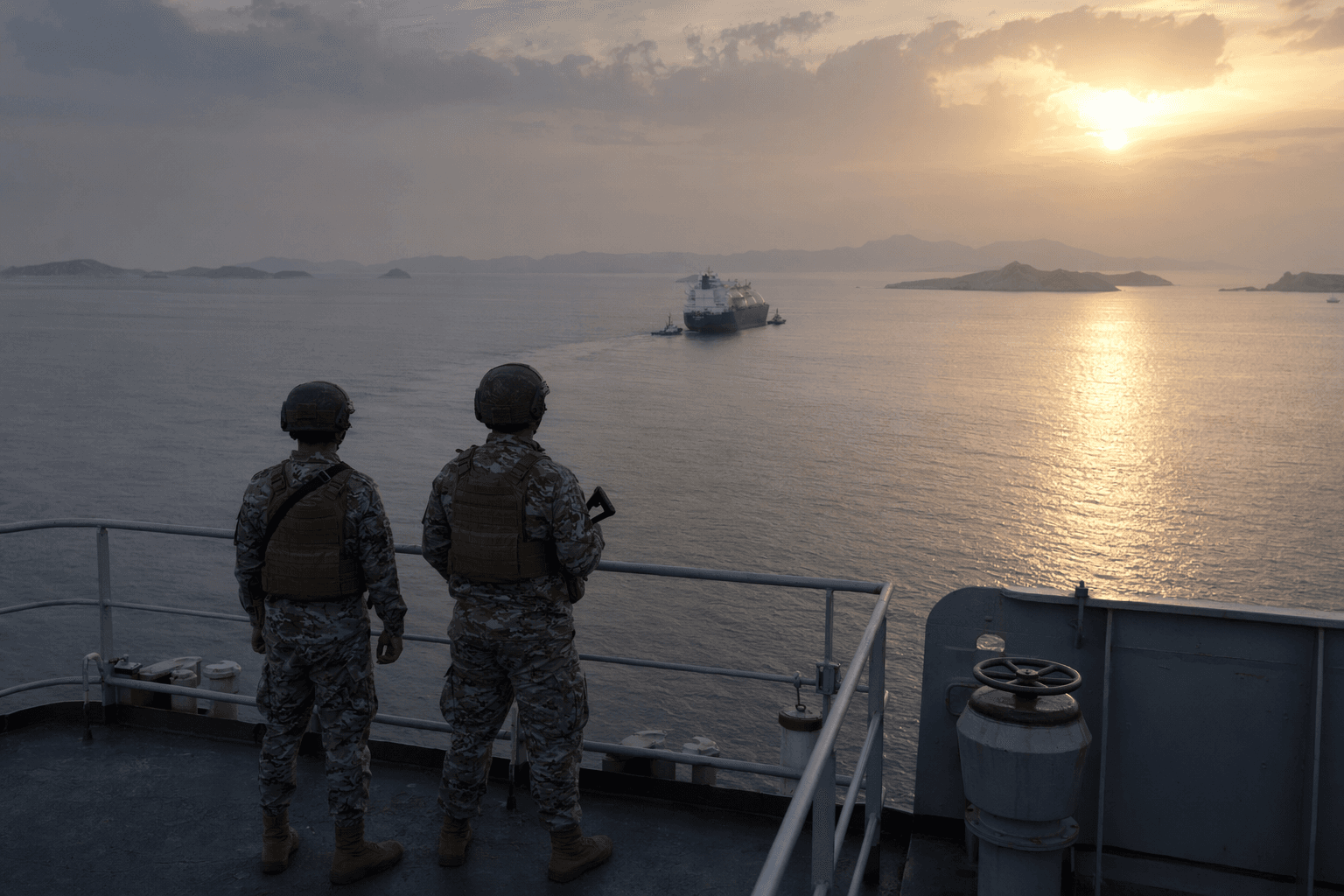
The tanker at the center of the day’s most notable shipping development was Al Kharaitiyat, a Qatari LNG vessel that had left Ras Laffan bound for Port Qasim in Pakistan. The ship, managed by Nakilat Shipping Qatar Ltd. and carrying 211,986 cubic metres of LNG, was described as a confidence-building move by Iran toward Qatar and Pakistan, both of which have played mediator roles in the conflict. If it completes the passage, it would be the first Qatari LNG transit through Hormuz since the war began.
Pakistan has been pressing for limited LNG shipments through the strait as it tries to ease a gas shortage, underscoring how quickly the conflict has moved from battlefield violence to pressure on fuel supplies. Iran’s Revolutionary Guards had already halted two other Qatari LNG tankers, Al Daayen and Rasheeda, on April 6, ordering them to hold position without explanation.
The stakes remain high well beyond Qatar. Before the war, about one-fifth of the world’s oil supply moved through Hormuz. Iran’s attacks have knocked out 17% of Qatar’s LNG export capacity, and repairs are expected to sideline 12.8 million tons a year for three to five years. That damage has already fed through energy markets and insurance risk for shippers weighing whether the calm can last.
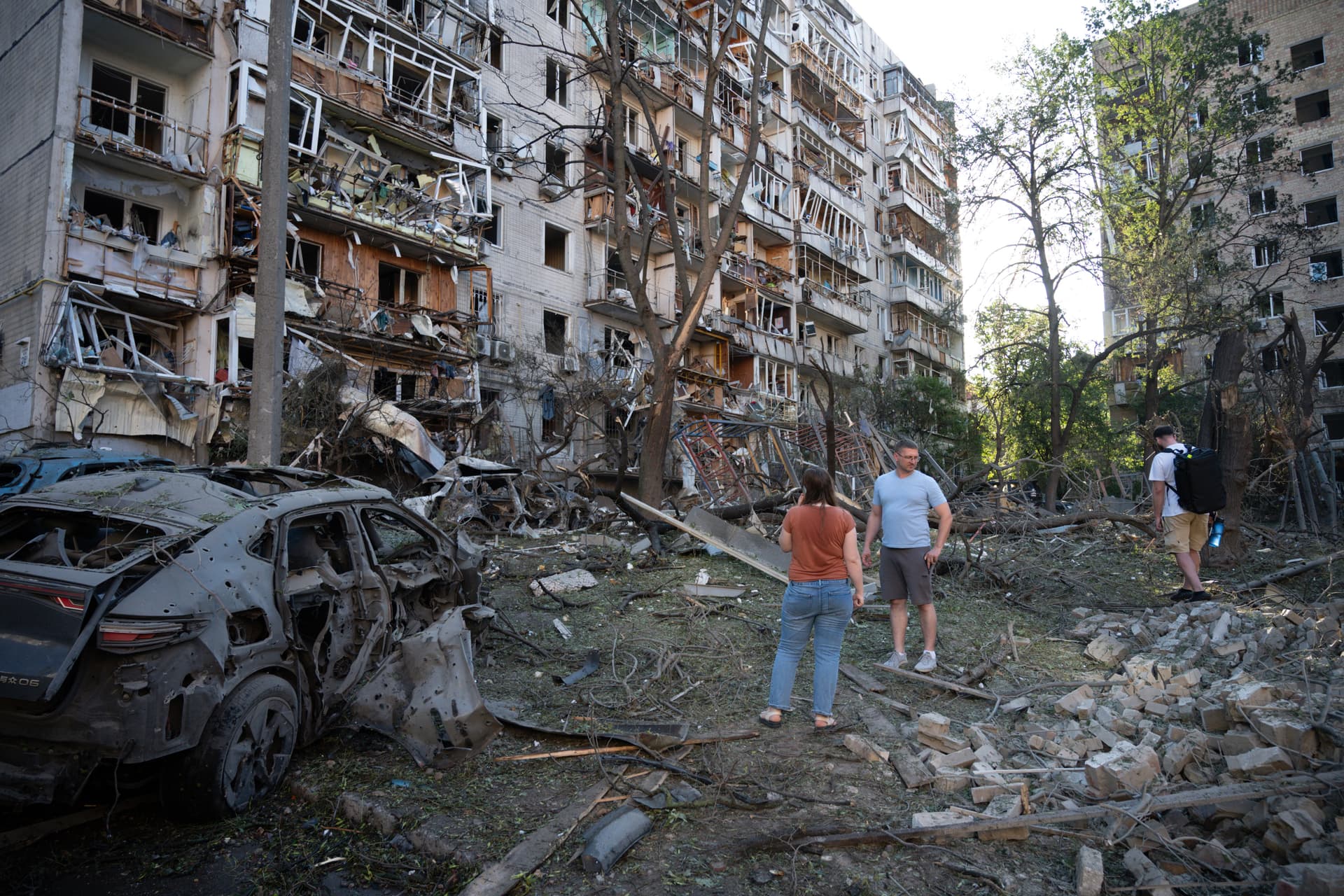
The fragility of the truce was reinforced by renewed violence near the Gulf. The United Arab Emirates said it intercepted 15 missiles and four drones fired from Iran on May 5, with one drone attack causing a large fire in the Fujairah Petroleum Industries Zone and wounding three Indian nationals. The UAE came under attack again on May 8, the first time it had been targeted since the ceasefire on April 8. Saudi Arabia, Qatar and Kuwait condemned the strikes, while Iranian state media said clashes around the strait had eased but warned more were possible.
With Donald Trump due to begin a visit to China next week, the pressure to contain the conflict has broadened. For now, Hormuz is quieter. The diplomacy behind it is not.
This article was produced by Prism’s automated news system from verified source data, official records, and press releases, then run through automated quality and moderation checks before publishing. The system is built and supervised by the people who set the standards it runs under. Read our full AI policy.
Did this article answer your question?