U.S. Wildland Fire Service launches to unify federal wildfire response
The federal wildfire system entered fire season with a new command structure, but its test is whether consolidation can speed help to the 500 million acres at risk.
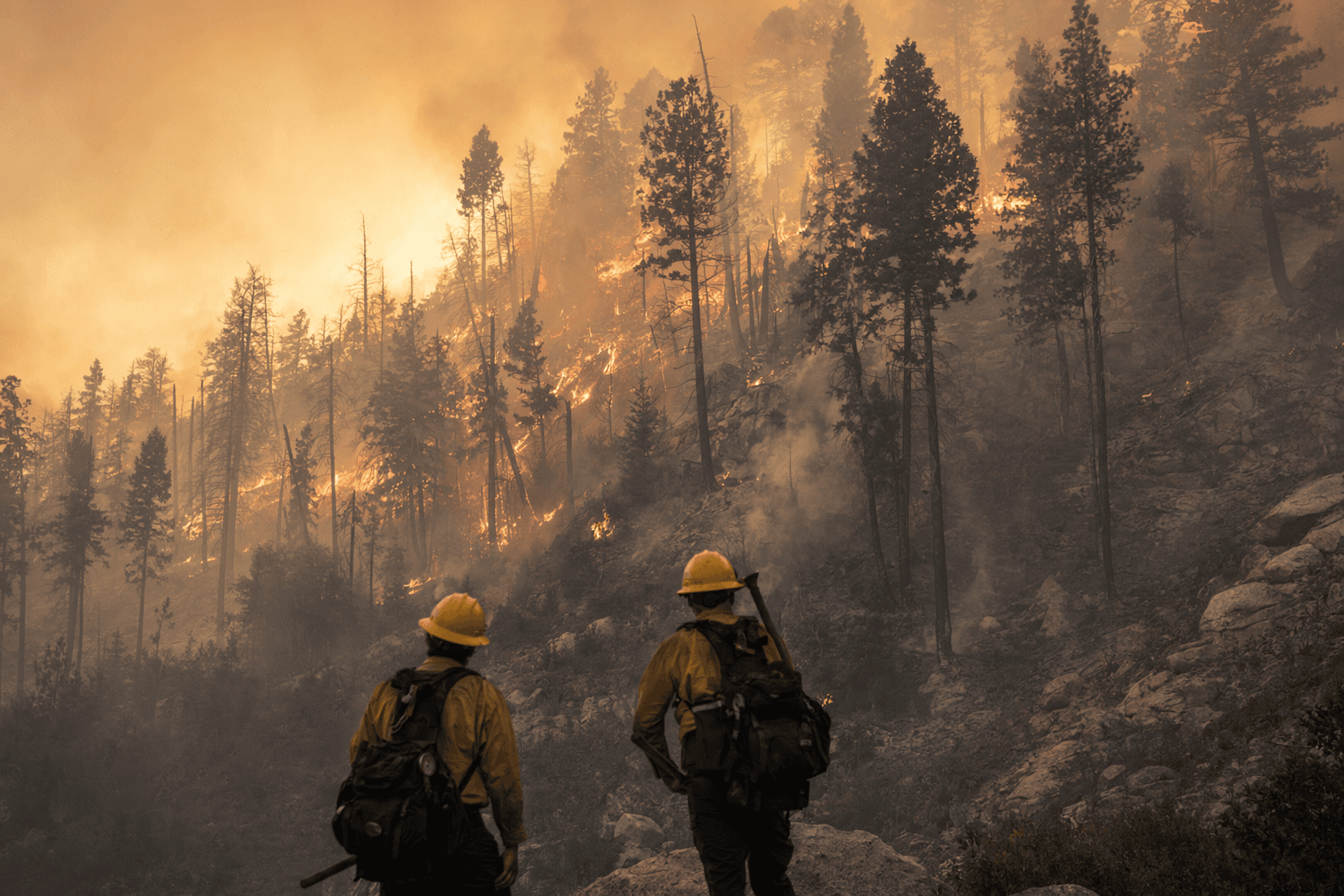
The federal wildfire system entered fire season with a new command structure, but its real test is whether Washington can turn consolidation into faster help for communities facing another hard year of drought and heat. The U.S. Wildland Fire Service was launched inside the Department of the Interior to unify wildland fire resources and operations across the Bureau of Land Management, National Park Service, U.S. Fish and Wildlife Service and Bureau of Indian Affairs, while also pulling in U.S. Forest Service resources.
The move followed Executive Order 14308, which directed Interior and Agriculture to consolidate wildland fire programs within 90 days and identify rules that slow prevention, detection or response. Interior said the implementation plan would begin in January 2026, and it selected Brian Fennessy to oversee the new service. Fennessy cast the challenge in operational terms: “Wildfire response depends on coordination, clarity and speed.” The service is being built to cover more than 500 million acres of public and tribal lands, a scale that makes coordination as important as airtankers or boots on the line.
Interior’s fiscal 2026 budget brief put the department’s spending at $14.4 billion and described the new service as an “integrated, cost-efficient, and operationally more effective organization.” The same budget push includes firefighter pay reforms, an acknowledgment that recruitment and retention remain central to readiness. The question now is whether those promises will change how quickly crews are mobilized, how well agencies share intelligence and whether command decisions are cleaner when fires cross land owned by different federal entities.
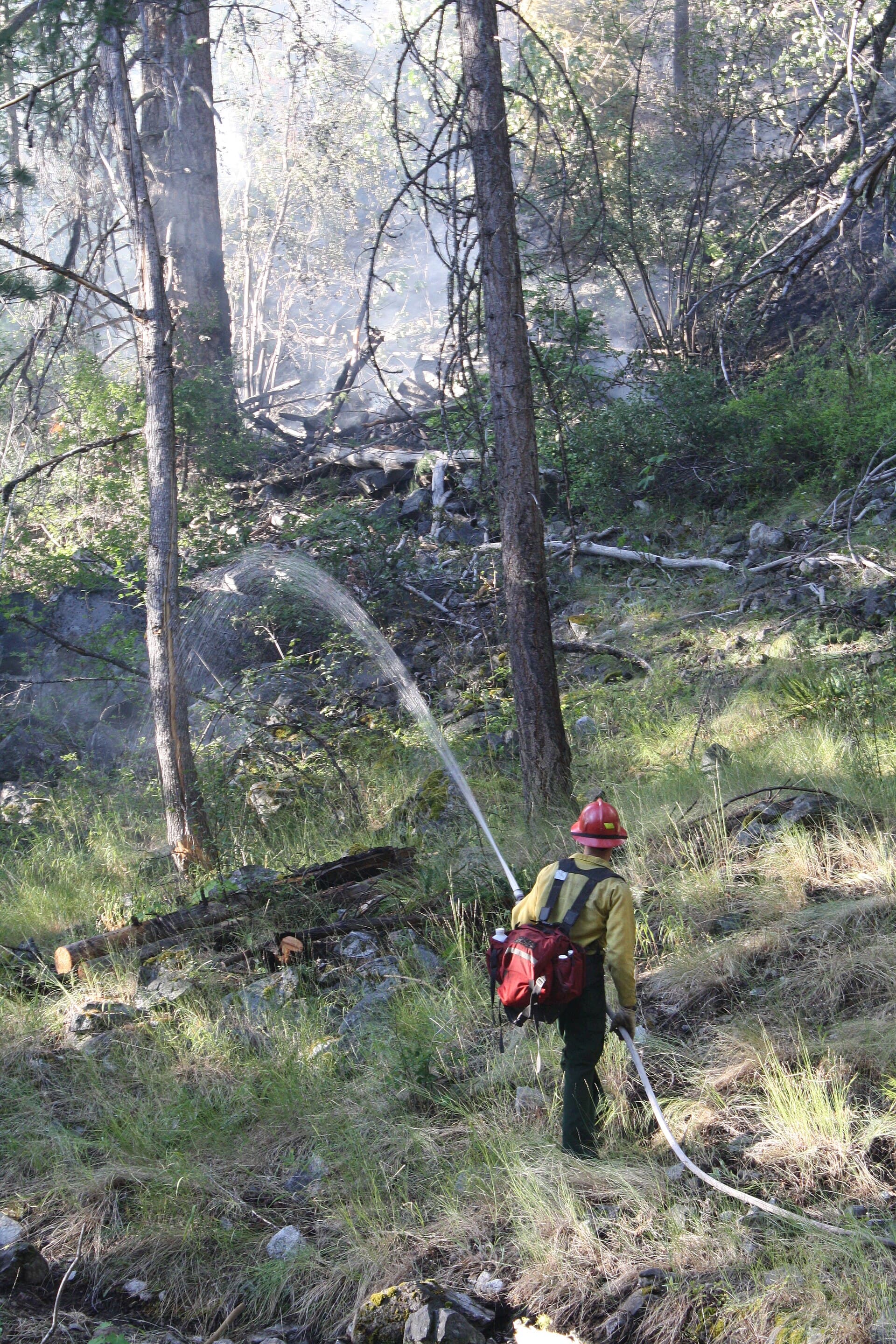
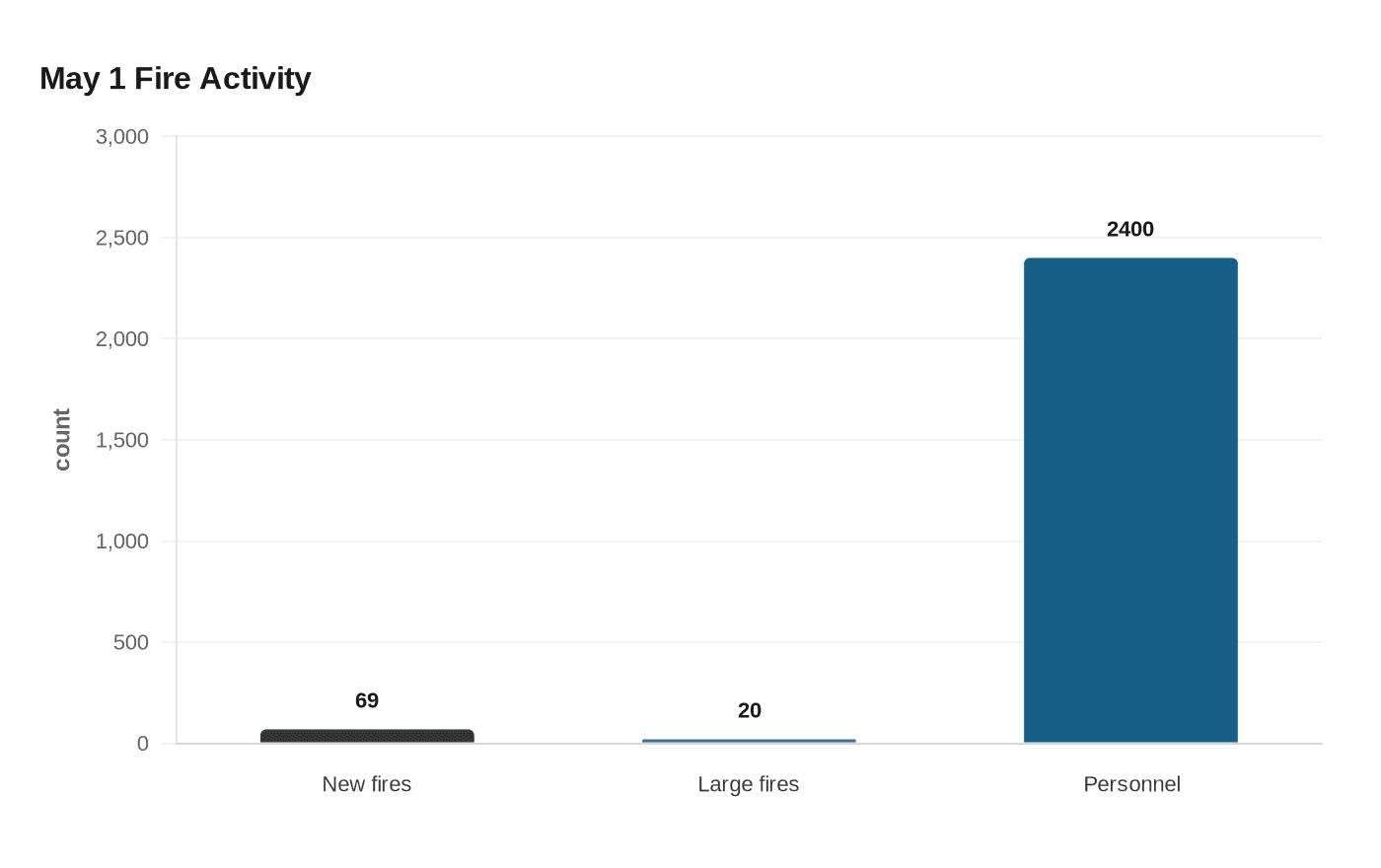
The pressure is already visible. The National Interagency Fire Center said in its May-through-August 2026 outlook, issued May 1, that fire activity had been steady in April and that the season was already shaping up to be active. On May 1, the national preparedness level stood at 2, with 69 new fires reported the previous day, 20 uncontained large fires burning nationwide and nearly 2,400 personnel assigned. The Forest Service said in late April that it had surpassed its hiring target for operational firefighters, expanded premium pay incentives and issued more than 22,000 red cards, all signs that the agencies expect a demanding summer.
Climate forecasts add to the strain. NOAA’s Climate Prediction Center said drought was expected to expand in the U.S. West and parts of the Plains in spring 2026, while ENSO-neutral conditions were expected through April-June before El Niño likely emerged in May-July. In that setting, the new service will be judged less by its name than by whether it shortens response times, sharpens coordination and reaches communities before smoke does.
This article was produced by Prism’s automated news system from verified source data, official records, and press releases, then run through automated quality and moderation checks before publishing. The system is built and supervised by the people who set the standards it runs under. Read our full AI policy.
Did this article answer your question?

