USA Pickleball Serves Awards Equipment Grants Reaching Over 44,000 Players
Learn how USA Pickleball Serves' latest Grow the Game Grants delivered equipment bundles and will reach over 44,000 new and returning players.
1. Announcement and overview
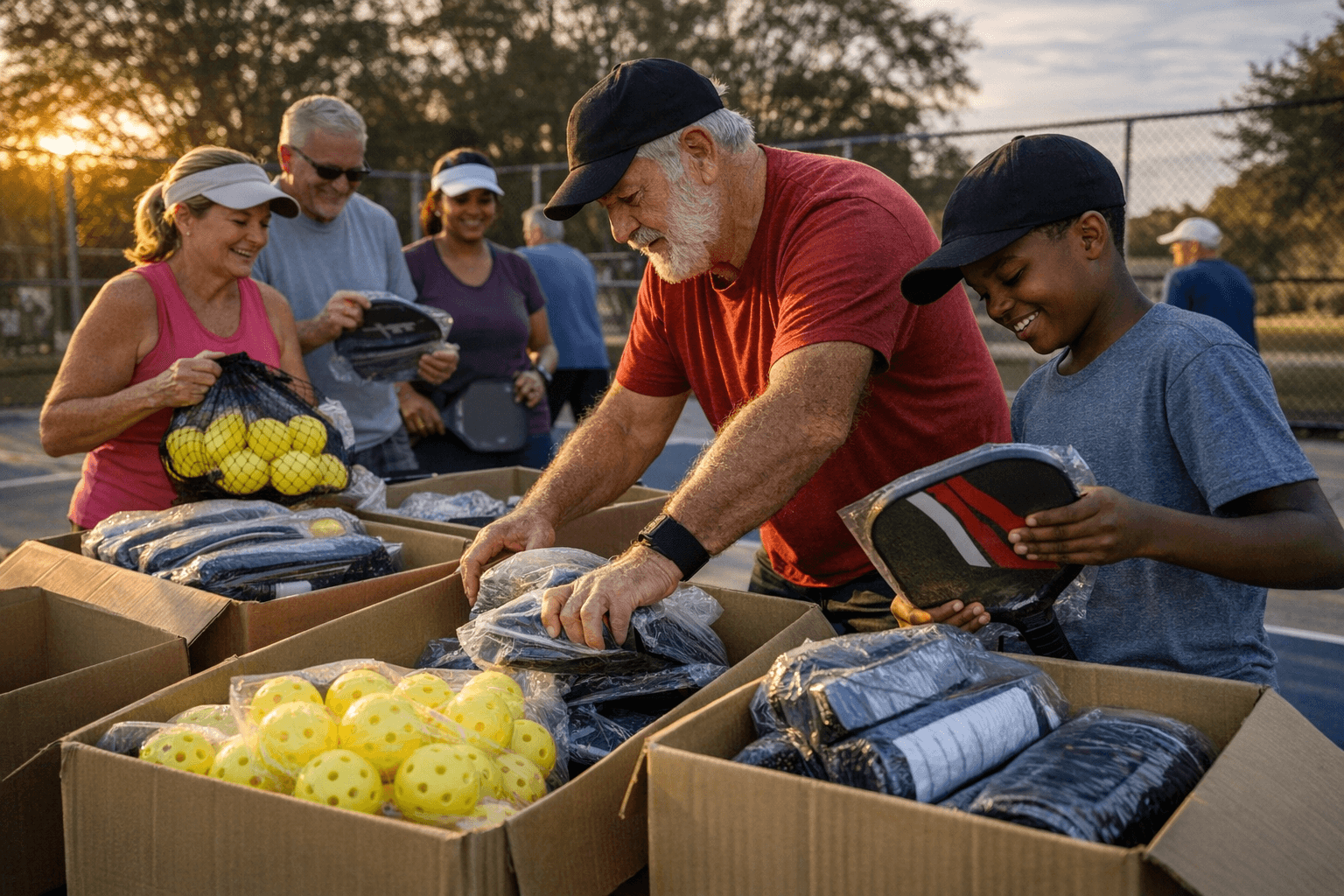
USA Pickleball Serves announced the latest round of Grow the Game Grants, delivering equipment bundles to schools, parks & recreation departments, and community organizations across the U.S., with the awards announced February 2, 2026. The program is positioned to launch or sustain local programs and remove early barriers to play by putting paddles, portable nets and training tools into the hands of coaches and organizers. For clubs and rec departments, this means faster program launches, less fundraising friction, and a ready-made inventory for beginner clinics and PE classes.
2. What Jose Moreno says about mission and impact
“The Grow the Game Grant is one of the most tangible ways we bring our mission to life,” said Jose Moreno, Chief Marketing Officer of USA Pickleball. “Through USA Pickleball Serves, we’re not just growing the sport, we’re investing in communities, creating access points for young players and first-time participants, and ensuring pickleball continues to be inclusive, welcoming, and impactful nationwide.” That line frames the grants as both promotional and philanthropic, designed to expand access, nurture youth participation, and support community-building through organized play.
3. What each Grow the Game equipment bundle contains
“Grow the Game equipment bundles include paddles, balls, portable nets, court markers, and training tools, designed to support safe, scalable and sustainable programming.” Those core items cover everything needed for pop-up lessons, after-school programs, park open play, and introductory leagues. For organizers, the bundle removes a common startup obstacle: buying enough beginner-friendly gear to serve groups without asking families to supply equipment or hold fundraisers first.
4. Scale and expected reach: 44,000+ players
“This round of Grow the Game Grants is expected to impact more than 44,000 individuals.” That projected reach translates to students in PE classes, seniors at community centers, and newcomers trying the game for the first time at parks and rec sessions. For local organizers, that projection signals both opportunity and a responsibility to convert initial exposure into sustainable programming, think training volunteer coaches, scheduling recurring sessions, and tracking participation.
5. Who receives grants and where they land
Recipients include schools, parks & recreation departments, and community organizations, especially those launching or expanding access programming. That mix ensures both institutional settings (where regular cohorts can form) and grassroots programs (which often reach underserved audiences) benefit. If you work for a school district, rec department, or community nonprofit, these grants are explicitly tailored to your operating model and intended audience.
6. Application timeline and how to plan ahead
“Grow the Game Grant: Applications open on November 18 at 8:00 AM PST and close on December 16 at 5:00 PM PST.” Those windows apply to the 2025–2026 round that led to this February announcement, so mark calendars for future cycles and give yourself time to assemble partner letters, program outlines and budget needs. Planning ahead helps you demonstrate readiness: clear facility access, a basic roster plan, and ideas for sustainable programming increase the chance your application will translate into long-term community impact.
7. Eligibility basics you need to know
Applicants must be U.S.-based community organizations or schools with a physical presence in their local area, and equipment or courts funded through these grants must serve a public facility or school setting. Some rounds require USA Pickleball membership for applicants, so confirm membership requirements before applying and budget for any necessary dues. These eligibility rules prioritize projects that will deliver repeatable play opportunities rather than one-off events, which helps maximize the long-term value of each bundle.
8. Play It Forward: the court‑development track
“Play It Forward Grant – A significant court‑development award to select organizations that will build or convert dedicated pickleball courts in underserved or high‑demand communities.” Unlike Grow the Game’s equipment focus, Play It Forward targets infrastructure, creating permanent places to play where demand exists but courts do not. Applications for Play It Forward were closed at this announcement and are expected to reopen in Spring 2026, so communities planning court builds should begin feasibility work, partner outreach, and site assessments now.
9. Why these grants matter for local growth and equity
With pickleball’s rapid growth, two bottlenecks often slow community adoption: lack of equipment and lack of dedicated courts. These grants address both. Equipment bundles lower the cost to start classes and tournaments, while Play It Forward investments can convert underused space into dedicated courts, expanding accessible play options for seniors, youth and underserved neighborhoods, a real win for equity and long-term program sustainability.
10. Related programs, promotion and how to get local visibility
USA Pickleball is pairing grants with other initiatives, like a Paddle Field‑Testing Program at Golden Ticket events and social promotion on LinkedIn and Instagram to drive awareness and uptake. Use those touchpoints to amplify your local wins: announce new programming once equipment arrives, invite local press during ribbon-cuttings for court conversions, and submit participant stories for national outreach. Building visibility helps attract volunteers, municipal buy-in and possible vendor partnerships for future upgrades.
11. Next steps, gaps to fill, and practical advice you can apply
If you want to pursue a grant, gather a short program plan that explains target participants, facility access, and a sustainability idea (volunteer coaching, school integration, or recurring fee structures). Collect partner letters from your school district or parks department, check whether your round requires USA Pickleball membership, and be ready to show how the equipment will support regular programming rather than one-off demos. For media assets, contact USA Pickleball Serves via their official Serves page to request full recipient lists, photos or press materials; also ask for the methodology behind the “44,000” impact figure if you plan to report projected reach locally. Practical wisdom: build programming that starts small, measures attendance, and converts casual drop‑ins into recurring players, that’s how a box of paddles becomes a lasting community habit.
Know something we missed? Have a correction or additional information?
Submit a Tip

