USCIS says green card applicants must seek visas abroad
USCIS ordered most green card hopefuls in the U.S. to apply abroad, a move lawyers say could split families and stall hundreds of thousands of cases.

Green card applicants living temporarily in the United States now face a new and much harder path: USCIS said they generally must leave the country, apply through consular processing, and wait abroad for a decision. Immigration lawyers said the shift could strand spouses, relatives and workers in months of separation and legal limbo while their cases move through U.S. consulates overseas.
The policy memo was issued Friday, May 22, 2026, and treated adjustment of status inside the United States as an extraordinary form of relief rather than the ordinary route to permanent residence. For decades, many immigrants already in the country, including spouses of U.S. citizens, temporary workers, students and some humanitarian entrants, have been able to seek green cards without departing. USCIS has long described adjustment of status as a process available to people physically present in the United States.
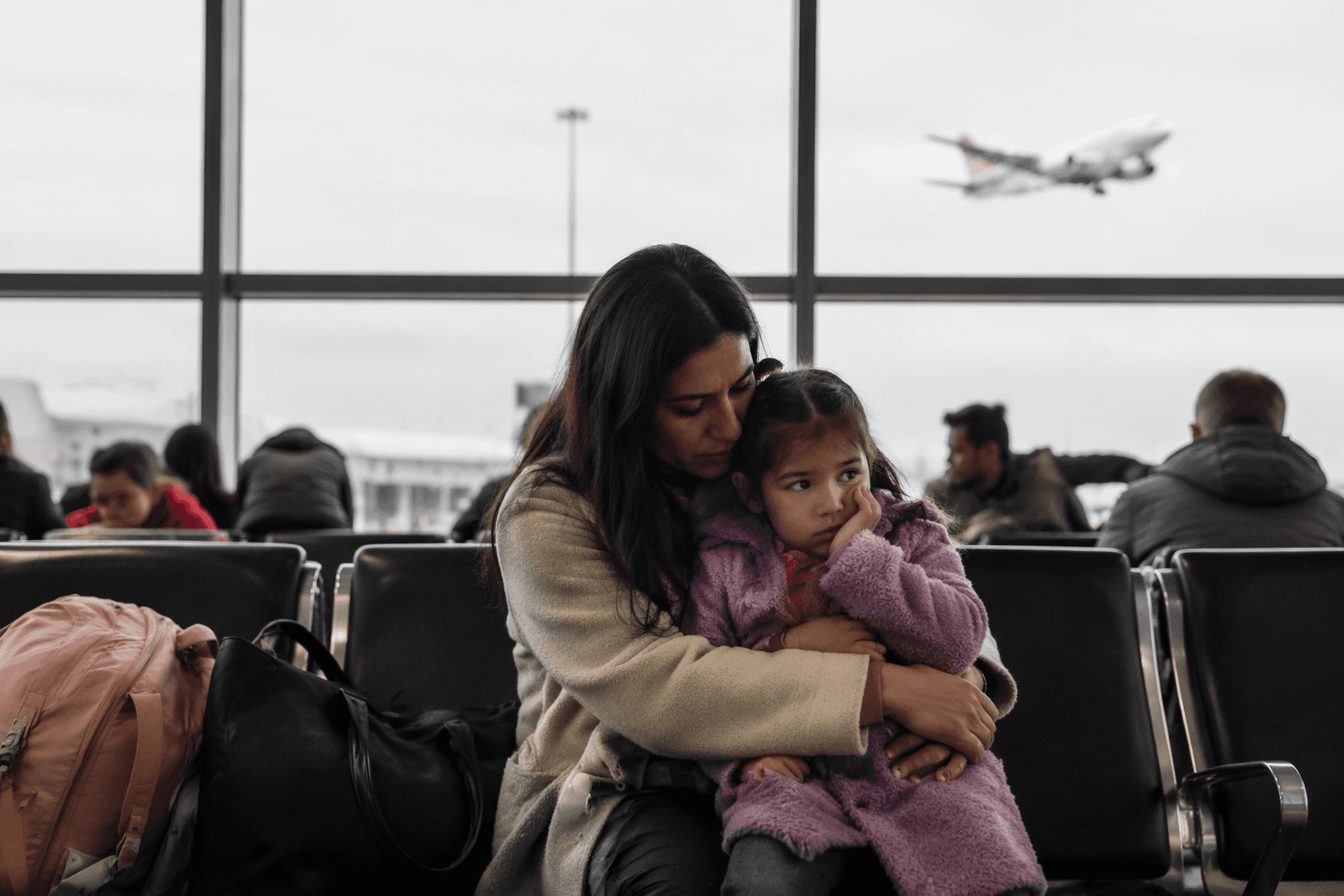
USCIS said exceptions could apply in extraordinary circumstances and that officers would review cases individually. But the change could affect hundreds of thousands of people, and lawyers warned it could disrupt families and employers already waiting on pending applications. The policy may sweep in F-1 students, H-1B and L-1 workers, B-1/B-2 visitors, K-1 fiancé(e) visa holders and some humanitarian parolees, groups that often build lives, jobs and school plans in the United States while their immigration cases are pending.
Advocacy groups said the practical effect could be immediate. A spouse who expected to adjust status from inside the United States may now have to travel home, start over in consular processing and remain separated from family and work authorization for an unknown period. Employers could be left with workers in uncertainty, and families could face the added cost and risk of overseas processing at U.S. consulates abroad.
The administration framed the move as a return to long-standing immigration-law principles and a way to close loopholes. USCIS said the Board of Immigration Appeals has long characterized adjustment of status as an extraordinary form of relief and argued the regular path should be through the visa process outside the country. The broader effect, however, was to transform a paperwork change into a far more personal one for immigrant households, where a filed application can now mean not stability but separation.
Know something we missed? Have a correction or additional information?
Submit a Tip