Utah Avalanche Center: Dangerous Backcountry Conditions, Fatalities Near Park City Ridgeline
UAC warns a Dry January Layer buried 2–4 feet beneath hard slab near the Park City ridgeline could still fail after a week that produced multiple deadly avalanches.
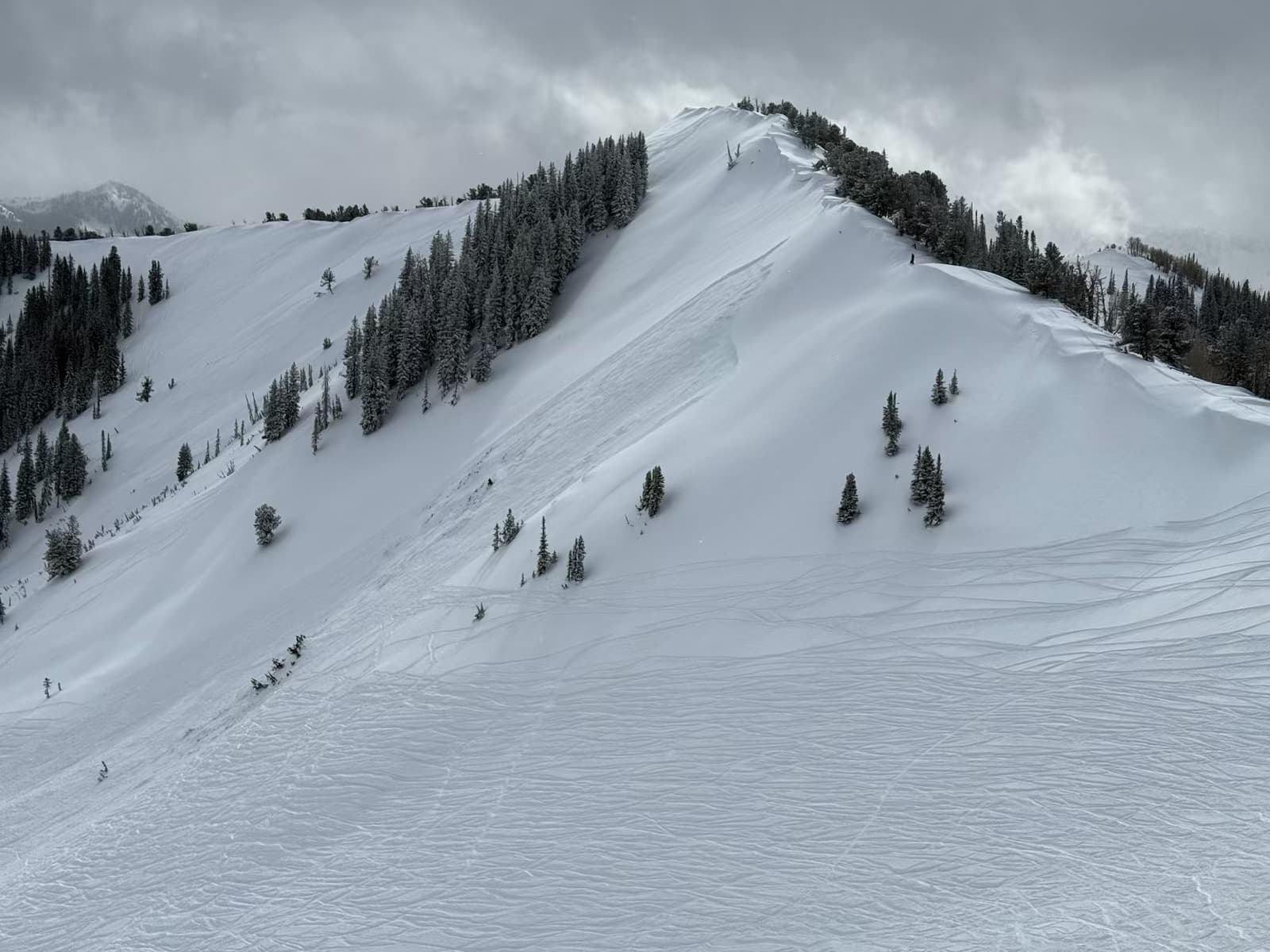
The Utah Avalanche Center says a persistent weak layer of faceted snow, called the Dry January Layer, is buried 2–4 feet beneath a hard slab along the Park City ridgeline and across the Wasatch, and that layer remains capable of producing large, dangerous avalanches after a week of widespread activity and multiple deaths. The UAC’s Week in Review for Feb. 27 to Mar. 5 documents unstable conditions across the Wasatch and notes the Dry January Layer has been quiet since Feb. 26 but, if it fails, “could still produce a large and dangerous avalanche.”
UAC forecaster Trent Meisenheimer summarized the avalanche problems for the Salt Lake area mountains, warning, “This morning, the avalanche danger is MODERATE for new snow soft slabs and dry-loose avalanches on all aspects. There is also a MODERATE danger of triggering a persistent weak-layer avalanche 2 to 5 feet deep that fails on the Dry January Layer of faceted snow.” Meisenheimer added that strong sun on southerly aspects could push danger higher by mid-morning: “In these areas, the avalanche danger could quickly rise to CONSIDERABLE on steep sunlit slopes, where loose wet avalanches may become a significant problem and large enough to bury a person.”
The UAC Week in Review specifies the most likely trigger locations for DJL failures as steep, shallow, rocky upper-elevation slopes facing west, north and east. The center’s advisory language also notes, “Human-triggered avalanches remain possible,” and UAC tests show new-snow slabs can step down into the deeper DJL. A video by Meisenheimer dated March 4, described as recorded before the storm, outlines that layered snowpack structure that underlies the current hazard.
Weather has compounded the risk. The Utahavalanchecenter advisory forecasted north winds along upper elevation ridgelines at 5–15 mph with gusts into the 20s and expected lingering moisture to make afternoons partly cloudy. Townlift reported forecaster Drew Hardesty saying additional rain and snow were possible with the rain-snow line near 8,000 feet and up to 0.5 inches of water, conditions that can load the snowpack and promote wet-snow avalanches; Hardesty warned large natural and human-triggered avalanches were, in his words, “very likely.”
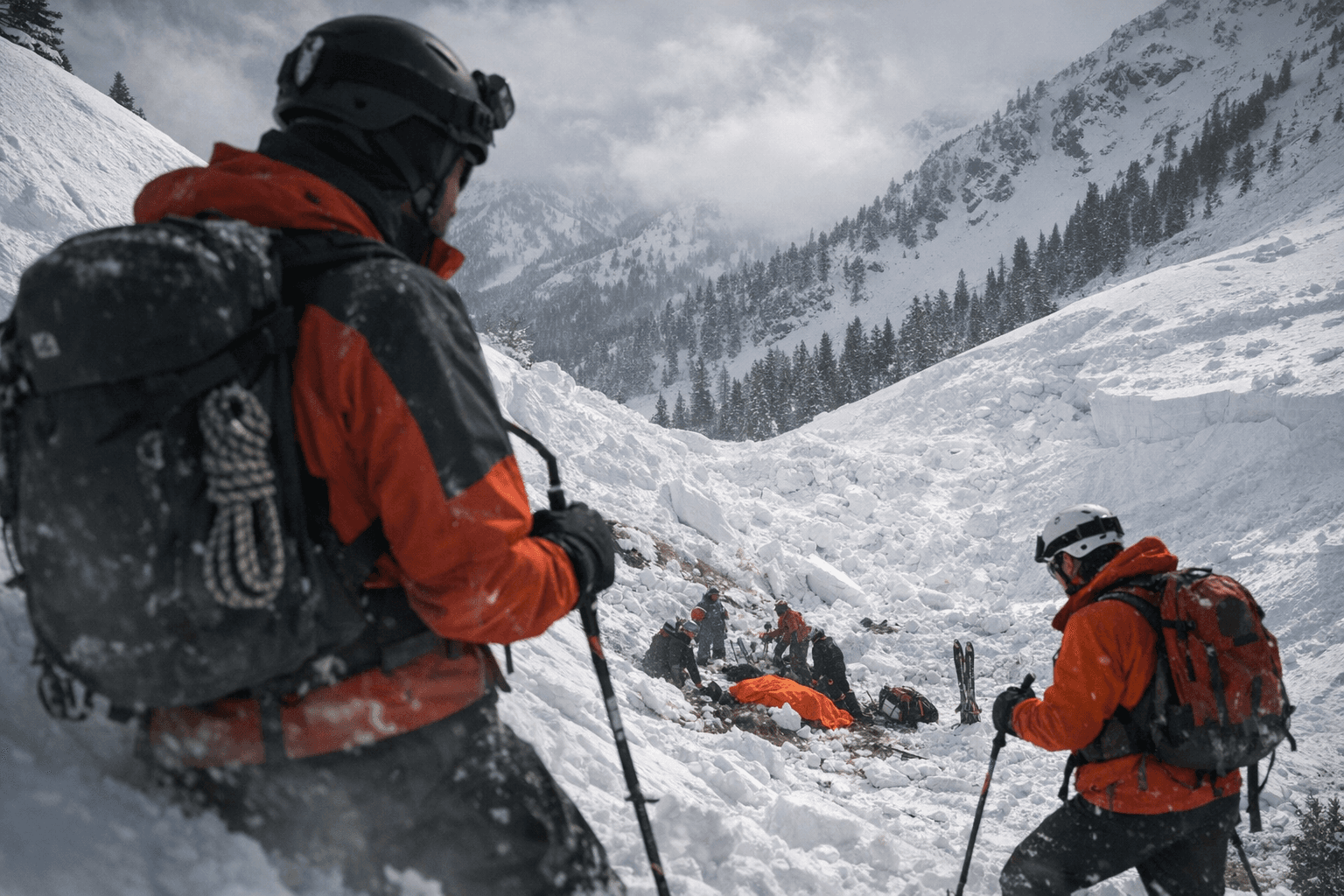
Community impacts and incident reports differ by outlet. Townlift reported three people killed and a fourth left in critical condition, and said the UAC attributed four recent accidents to slab avalanches 2 to 3 feet deep and up to 500 feet wide that failed on the January Dry Layer. KSL reported that three people died and three others were injured in five avalanches across Salt Lake and Wasatch counties and noted a snow bike rider fatality in Wasatch County; KSL’s coverage included aerial review by Craig Gordon showing cornices and wind slabs and capturing new backcountry tracks while danger was rated “considerable.” Gordon warned, “It doesn’t look steep and radical, but this terrain is harboring weak snow from the big January dry spell,” and described cornices and wind slabs that can bring down an entire slope.
UAC and forecasters have urged concrete actions: avoid travel on or beneath steep slopes steeper than 30 degrees and stay out of avalanche runout zones, noting that large avalanches can be triggered from below, “even by people standing in lower-angle terrain.” The center also issued an avalanche warning for Northern Utah and Southeast Idaho from 6 a.m. MST Feb. 25 to 6 a.m. MST Feb. 26 for ranges including the Wasatch and Bear River, underscoring the time-sensitive nature of danger ratings.
The recent fatalities, large 2–3 foot slab failures up to 500 feet wide, and the presence of a buried DJL highlight a persistent public-health and safety challenge for Summit County and neighboring communities: the hazard is technical, deep and capable of overwhelming both backcountry users and rescue responders. Craig Gordon’s admonition to “take a ‘step back’ in the backcountry” captures the immediate policy and community imperative: until forecasters confirm the DJL has become consistently stable, travel and rescue planning in Park City-area terrain must account for the deep, persistent weak layer and rapidly changing sun, wind and rain-snow conditions.
Know something we missed? Have a correction or additional information?
Submit a Tip