Utah Blaze Destroys Four Structures, Exposes Gaps in Disaster Response
NBC News reported that a massive fire engulfed four structures in Utah on Nov. 9, 2025, leaving residents and officials scrambling to account for damage and displacement. The blaze highlights immediate public-health risks from smoke exposure and long-term questions about emergency preparedness, housing vulnerability and equitable recovery aid.
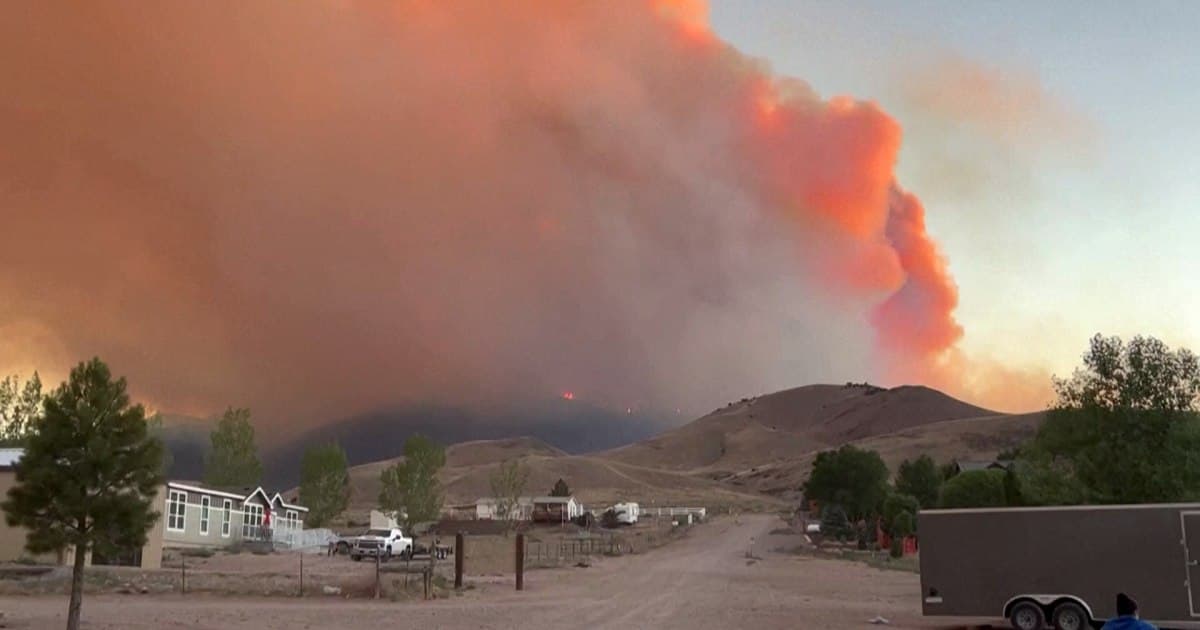
NBC News reported that a massive fire on Nov. 9, 2025, consumed four structures in Utah, triggering an emergency response and raising urgent public-health and social-equity concerns for the affected community. Details about the origin and full extent of damage remain under investigation, but the immediate consequences for residents, first responders and local health services are already clear: smoke exposure, potential displacement and a likely strain on community resources.
Local fire departments and emergency-response teams moved to contain the blaze and secure the scene. In incidents of this scale, public-health authorities typically confront short-term respiratory risks from fine particulate matter and toxic combustion byproducts, particularly for people with asthma, chronic obstructive pulmonary disease and other cardiorespiratory conditions. Children, older adults and people without reliable access to health care or transportation are disproportionately at risk during and after such events.
Beyond the visible destruction, structure fires can leave lingering hazards. Burned materials may release asbestos, lead, volatile organic compounds and other contaminants that complicate recovery and cleanup. Environmental health teams must assess air and soil quality and coordinate with housing officials to determine when, if ever, damaged homes and buildings are safe to re-enter. Those assessments take time and often reveal gaps in inspection capacity in smaller jurisdictions.
The incident also underscores systemic inequities in disaster impact and recovery. Low-income households and renters are more likely to live in older, less resilient housing stock and to lack insurance that covers full replacement costs. They are also less able to absorb the financial shock of temporary relocation, lost personal belongings and job disruption. Without targeted intervention, these families risk prolonged displacement and deepened economic precarity.
Public-health and social-services agencies face a short list of practical tasks: deploy air-quality alerts and guidance to residents, establish or expand shelter and case-management services for displaced families, coordinate with clinics to triage and treat respiratory and mental-health needs, and expedite environmental testing to inform safe reoccupation. For many communities, mobile health units and federally supported disaster-response teams can bridge immediate gaps, but longer-term recovery depends on predictable funding and streamlined access to assistance.
The political and policy implications are broader. Incidents like this fuel calls for stronger building safety codes, better-maintained firebreaks in vulnerable settings, and investments in community resilience that prioritize the most at-risk populations. They also test whether emergency management systems can deliver aid equitably, especially where language barriers, immigration status or digital divides limit access to information and relief programs.
As investigators work to determine the fire’s cause and officials assess damage, the human toll will be measured not only in charred structures but in disrupted lives. Recovery will require coordinated public-health action, clear communication, and intentional policies to ensure that the burdens and benefits of rebuilding do not fall inequitably on the most vulnerable members of the community.
This article was produced by Prism’s automated news system from verified source data, official records, and press releases, then run through automated quality and moderation checks before publishing. The system is built and supervised by the people who set the standards it runs under. Read our full AI policy.
Did this article answer your question?