Utah governor signs 11 bills, tightening voting equipment rules and prison capacity law
Utah Governor Spencer J. Cox signed 11 bills, including changes to voting equipment certification and correctional capacity, creating new compliance work for election offices and corrections agencies.
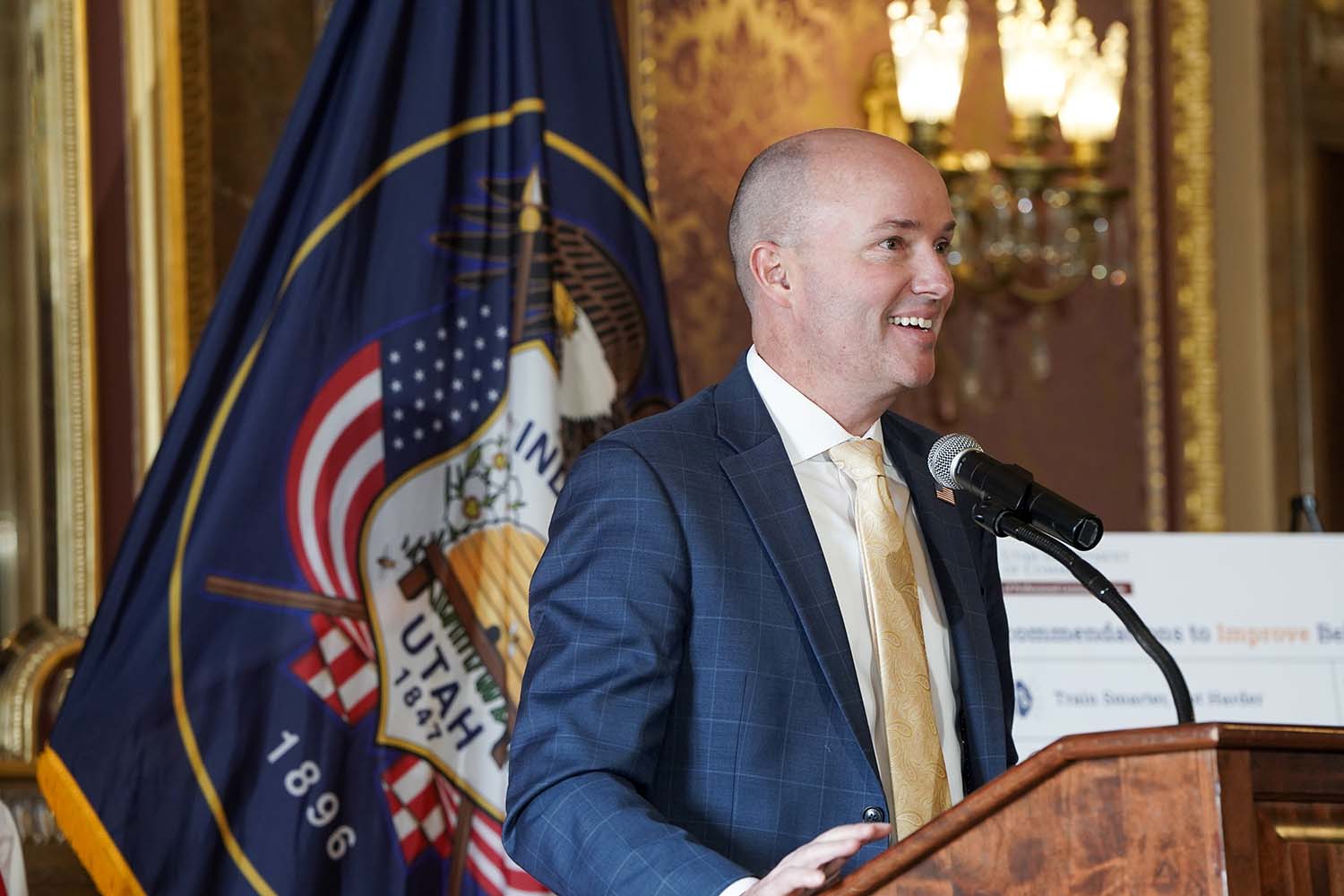
Utah Governor Spencer J. Cox signed 11 bills into law on March 7, 2026, including measures that revise certified voting equipment standards and amend correctional capacity rules, a move that immediately obliges county election officials and corrections administrators to prepare for implementation. The governor's office released a consolidated press statement listing the measures and describing the purpose of each bill.
The voting equipment provisions update the state’s certification framework for machines and software used in elections. Election administrators will need to review equipment already in use, complete required testing and documentation, and in some cases pursue new procurement or software updates. The changes come in an election year and therefore have an immediate operational consequence: county clerks and municipal election offices face compressed timelines to certify equipment before primary and general ballots are printed and distributed.
The correctional measures alter how the state counts and manages capacity across correctional facilities, adjusting statutory thresholds that trigger administrative responses and resource allocations. Corrections officials must reassess bed projections, inmate transfer protocols and staffing plans to align with the revised legal framework. The amendments could shift near-term costs and responsibilities between the state Department of Corrections and county-level jails, depending on how implementing rules interpret the new language.
Beyond those headline items, the legislative package covers a mix of policy areas identified by the governor’s office as priorities for operational clarity and administrative reform. Several of the bills require immediate administrative rulemaking or contract renegotiations, tasks that will fall to agencies already managing tight budgets and limited staff capacity. Agencies will submit fiscal notes and implementation plans in the weeks ahead to quantify the direct costs and timeline for each change.
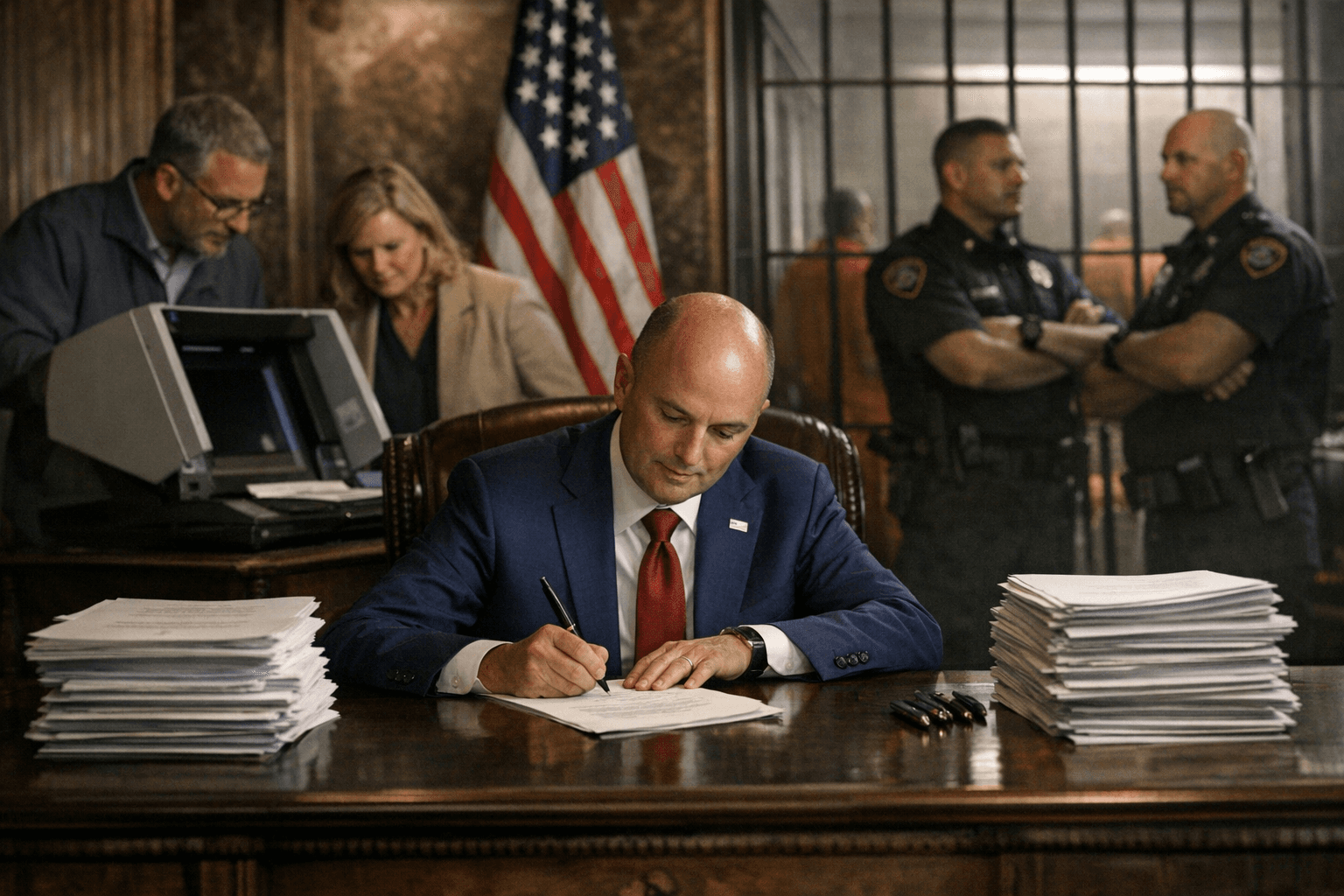
The market and budget implications are practical and time-sensitive. Vendors that supply voting machines and election software may see a surge in contract activity as counties seek to meet the revised standards, while auditing and testing firms could capture new business from pre-election certification work. For corrections, short-term demand for temporary housing, medical services and overtime staffing could rise if capacity shifts lead to redistributed populations between facilities. Those operational costs will be tracked in upcoming budget updates at the state and county level.
The package frames the governor’s priorities as operational rather than ideological, emphasizing administrative adjustments that require agencies to alter procedures and resources. The decisions come against a backdrop of nationwide scrutiny of election security and ongoing pressure on state corrections systems to manage populations without large capital projects. Utah’s approach places implementation burden on local institutions, creating a measurable policy test for how effectively state and local governments coordinate under compressed timelines.
Implementation will reveal the tangible costs and service impacts on voters and inmates. For election officials, the most immediate metric to watch is whether equipment certification and testing can be completed in time to avoid delays or additional costs for municipalities. For corrections, the key indicators will be bed utilization rates, transfer volumes and any changes to county-state financial obligations that emerge from the new statutory language.
Know something we missed? Have a correction or additional information?
Submit a Tip

