Utah Republican makes AI regulation centerpiece of state senate campaign
Doug Fiefia turned AI safeguards into a Utah Senate campaign issue, directly challenging Trump’s push for one national rulebook. The fight now reaches child safety, bias rules and business compliance.
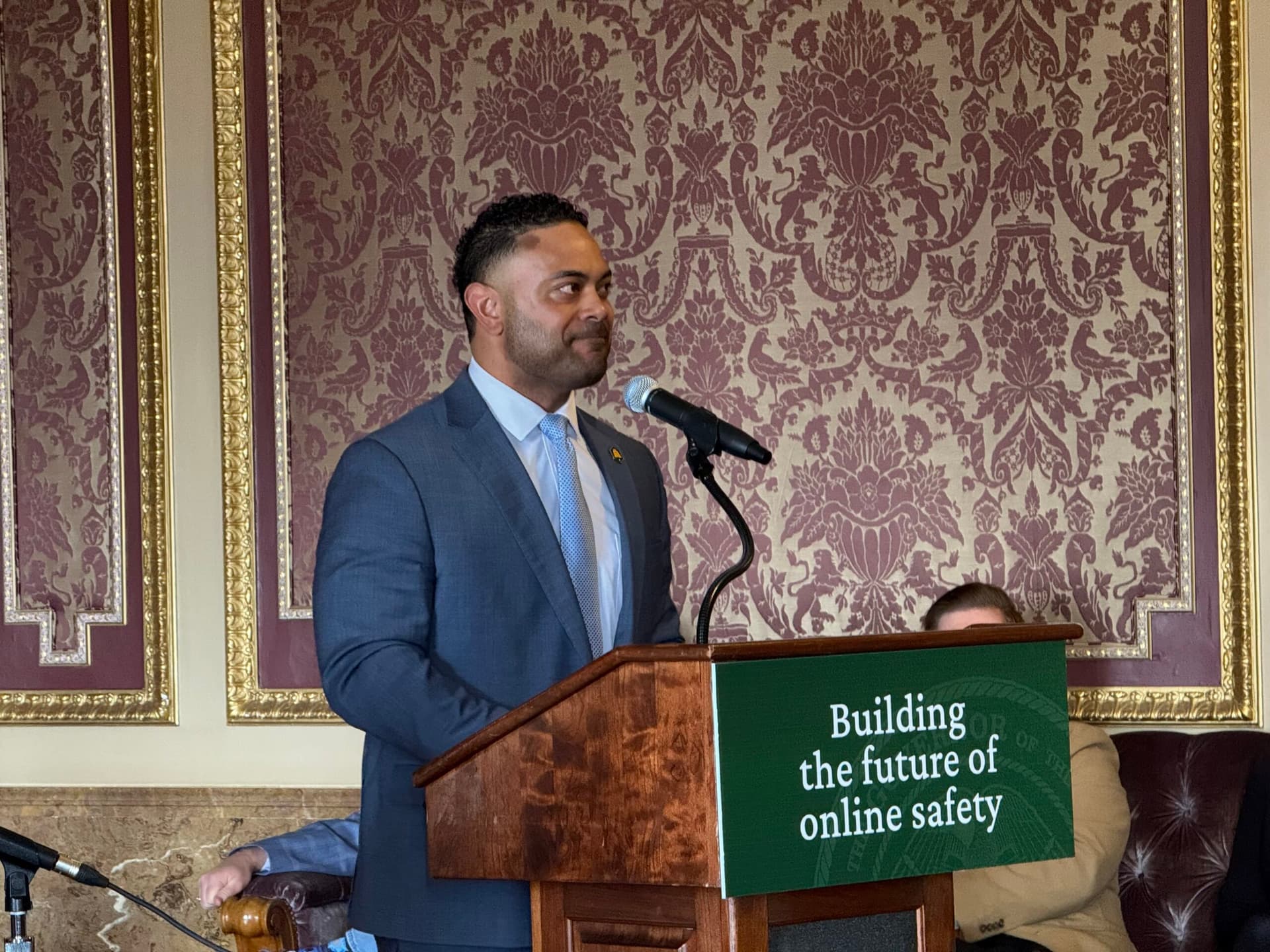
Artificial intelligence has become a local campaign issue in Utah, and Doug Fiefia is betting that voters want their state to move faster than Washington.
The Republican former Google employee, who is running for the state senate, made AI regulation the centerpiece of his campaign at a backyard meeting in the Salt Lake City suburbs, arguing that the technology is no longer abstract. He said AI will shape work, education and everyday life, and that lawmakers are going to face one of the biggest fights of the coming years.
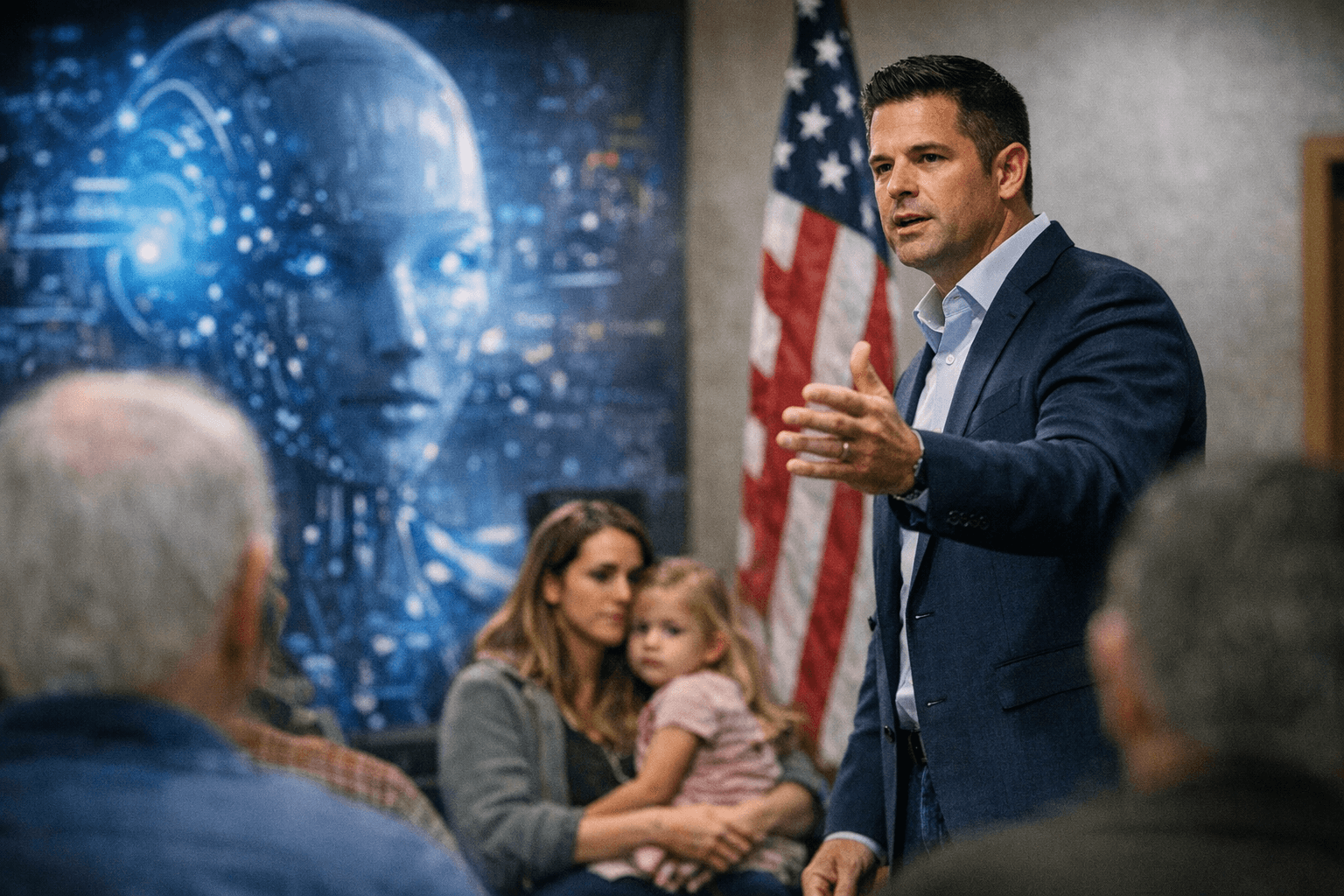
That message cut against the White House, which has pushed for a single national approach and tried to block state proposals that would require companies to build child-safety protections into their systems. Donald Trump’s administration has argued that a patchwork of state rules could slow innovation and weaken U.S. competitiveness against China, while Congress has made little progress on a federal framework.
The fight in Utah now reflects a larger federalism battle over who gets to set the rules first. The White House released America’s AI Action Plan on July 23, 2025, centered on innovation, infrastructure, and international diplomacy and security. In December 2025, Trump issued an executive order and framework calling for a national AI policy that would preempt state laws viewed as stifling innovation. Even so, the framework said states still retain traditional police powers to enforce laws of general applicability, including measures to protect children and prevent fraud.
That leaves states as the main arena for action. New York has moved furthest, with Gov. Kathy Hochul signing the RAISE Act in 2025. The law requires large frontier AI developers to publish and update safety plans and report serious incidents. The governor’s office said penalties can reach $1 million for a first violation and $3 million for later ones. New York’s FY2026 budget also added safeguards for AI companion systems and new protections aimed at children exposed to AI-generated sexual abuse material.
Florida has also put AI on the legislative agenda, adding it to a special session. The contrast shows how quickly the policy debate is spreading beyond Silicon Valley and into state capitols.
For Utah, the stakes are practical as much as political. The central questions are whether companies should face consumer protections, bias rules and reporting requirements before AI systems are deployed broadly, or whether business compliance should wait for federal rules that may never come. Fiefia’s willingness to center that debate in a Republican primary suggests AI has moved from a niche technology issue to a test of how much risk voters will tolerate in exchange for speed and innovation.
This article was produced by Prism’s automated news system from verified source data, official records, and press releases, then run through automated quality and moderation checks before publishing. The system is built and supervised by the people who set the standards it runs under. Read our full AI policy.
Did this article answer your question?

