UW study inventories I-80 crossings to reduce wildlife deaths in Albany County
University of Wyoming researchers have launched a project to inventory culverts and bridges along Interstate 80 to reduce deadly crossings for elk, mule deer and pronghorn.
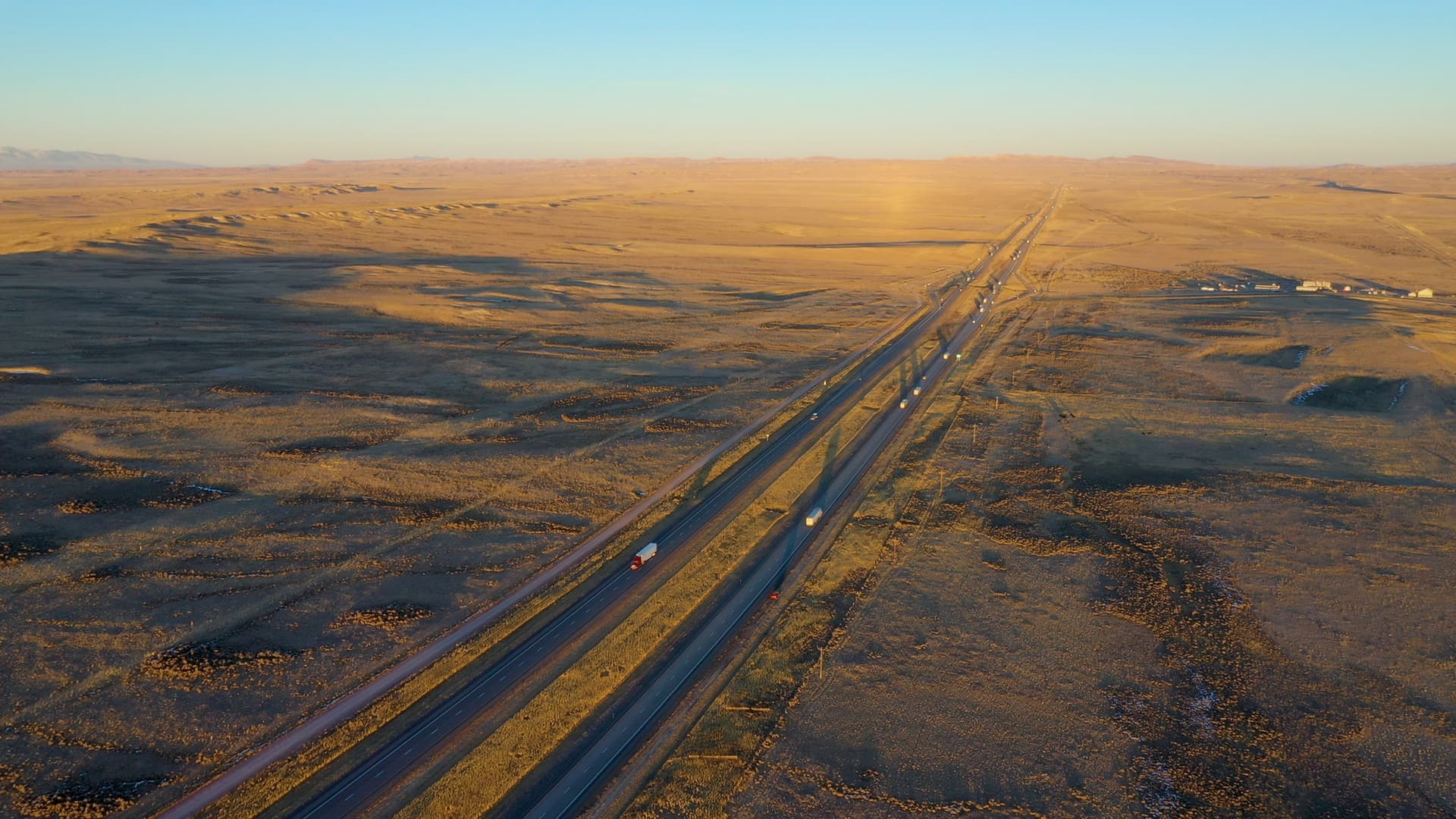
University of Wyoming researchers — including members of the Wyoming Migration Initiative and collaborators from the Wyoming Cooperative Fish and Wildlife Research Unit — have launched a new research project aimed at improving wildlife movement across Interstate 80, the 56-year-old four-lane highway, with an explicit goal of inventorying culverts and bridges to reduce deadly crossings.
The project targets animals that repeatedly encounter I-80’s barrier effect. “Most of the studies that have been done adjacent to the interstate show that a barrier effect occurs,” said Wyoming Migration Initiative co-founder Bill Rudd, who is partnering on the I-80 project. A Wyofile passage describing the effort said the research “aims to better understand and make life easier for the thousands of elk, mule deer and pronghorn that share Deer 959’s instincts to migrate across Interstate 80.”
The research team stresses how long-distance migrations interact with the highway. “Fast forward to the present and many of Wyoming’s long-distance migration routes functionally end at I-80. That’s the case for the world’s longest mule deer migration, which connects most animals from Red Desert winter range to summer habitat in the Hoback River Basin and Jackson Hole (some go even further),” the report notes. An individual example underlining the stakes reads: “Those movements might start with an individual animal. [...] Over 80 miles later, Deer 959 made a run for it near the Flying J Truck Stop just before Rawlins. He spent the summer and fall fattening up at over 8,000 feet on the Atlantic Rim south of the interstate.”
State planning work already flags specific priority segments along I-80. The 2017 Wyoming Wildlife and Roadways Initiative, completed by WYDOT and Game and Fish, “identified a 7-mile stretch of the interstate near Halleck Ridge as the second-highest priority crossing opportunity in the state.” But converting priority into construction has stalled; Wyofile noted that “Funding a wildlife overpass there has been a challenge,” and Lee Knox, a Wyoming Game and Fish Department wildlife biologist whose district includes the easternmost reaches of the I-80 corridor, said, “The status of Halleck Ridge is on hold, until somebody comes up with tens of millions of dollars.”
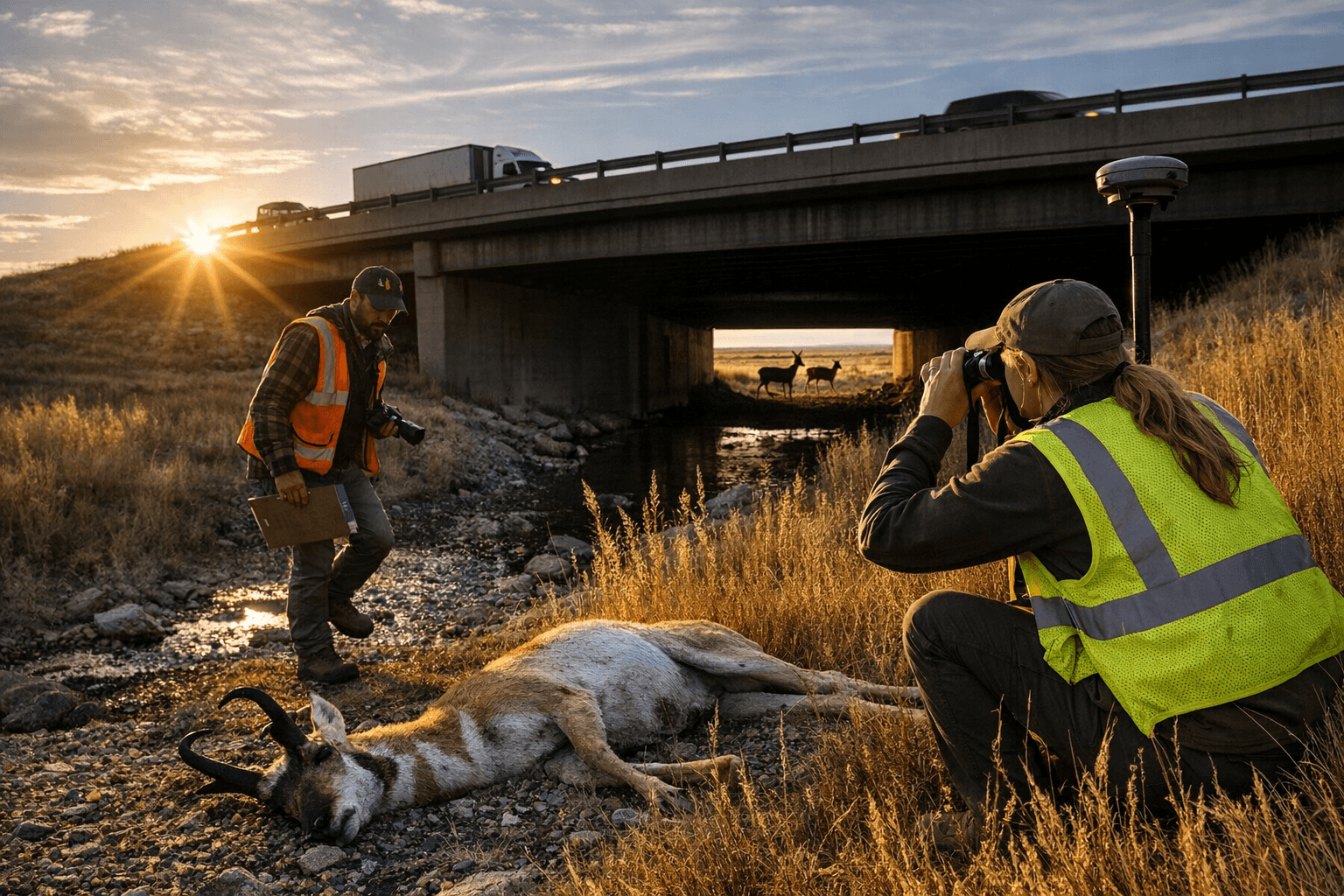
Project leaders frame the inventory as a practical step that complements past planning. “Improving I-80’s existing crossing structures can only help,” Rudd said, and he added a rationale for incremental gains: “If we can find those holes and animals can figure it out, then we might see reestablished migrations. That’s what you’d hope would happen.”
The Wyofile material also notes broader attention to the problem — “The barrier the 56-year-old highway poses to Wyoming wildlife is well known: It’s an issue that’s received attention in the Washington Post; there’s even a short documentary film about it” — and frames roadkill on I-80 as a major Wyoming goal. The new University of Wyoming inventory of culverts and bridges joins the 2017 WYDOT and Game and Fish prioritization as an immediate research step toward identifying where improvements might be targeted, even as engineering costs such as those cited for Halleck Ridge remain a central obstacle.
Sources:
Know something we missed? Have a correction or additional information?
Submit a Tip