Vaibhav Sooryavanshi’s rapid rise sparks India selection debate after IPL heroics
Vaibhav Sooryavanshi has already broken IPL age records, but India now faces a harder question: how to protect a 15-year-old prodigy from being rushed.
A record-breaking rise
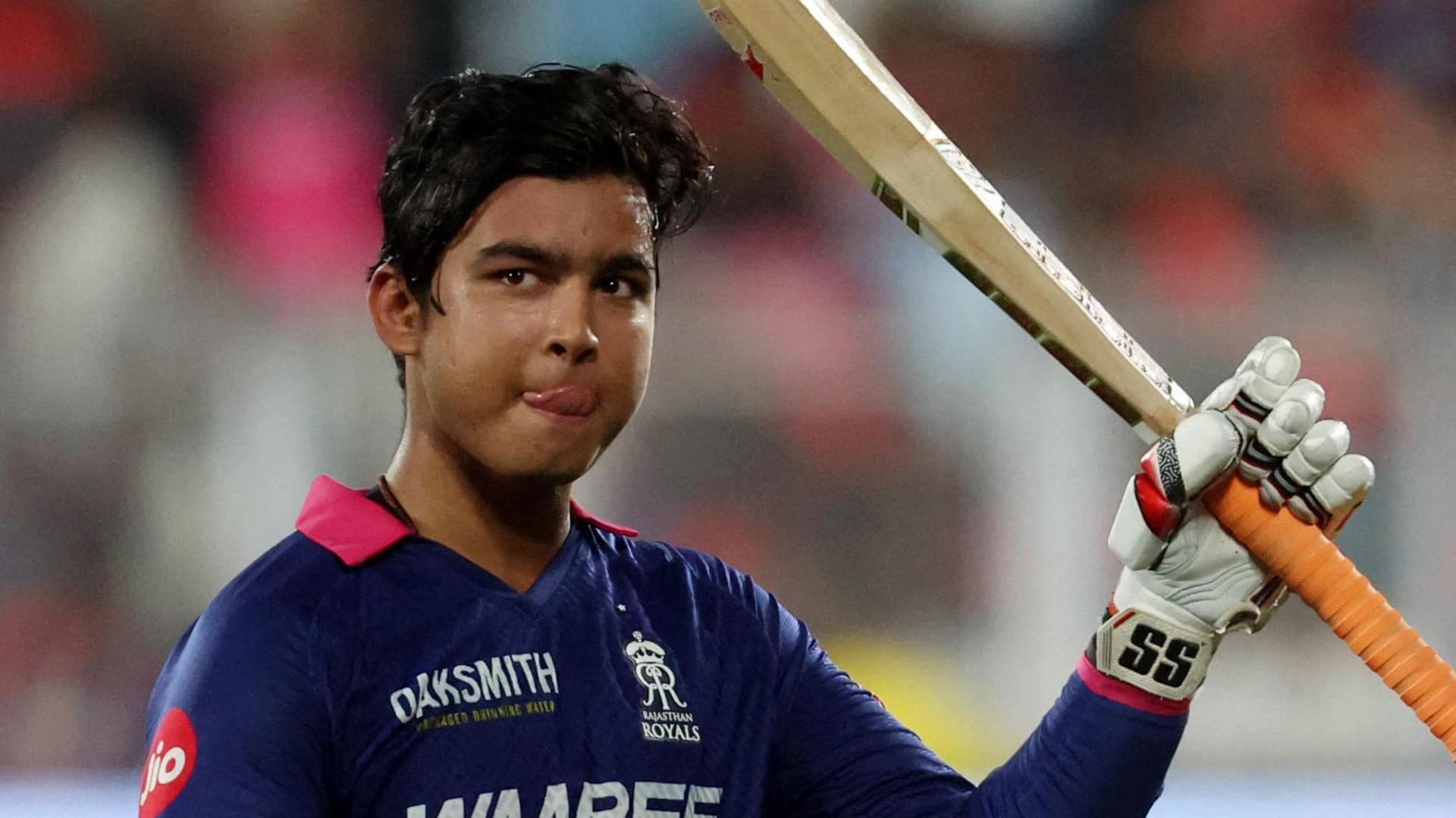
Vaibhav Sooryavanshi has done enough at 15 to force Indian cricket into an uncomfortable conversation. Rajasthan Royals say he became the youngest debutant in IPL history at 14 years and 23 days, then the youngest centurion at 14 years and 32 days, and they secured him for INR 1.1 crore, making him the youngest player to earn an IPL contract.
His rise has been breathtaking even by Indian cricket’s standards. He made his IPL debut against Lucknow Super Giants when Sanju Samson was injured, then announced himself with 101 off 38 balls against Gujarat Titans in Jaipur, a innings that came from 35 deliveries and stood as the second-fastest century in IPL history. It also made him the youngest men’s T20 centurion ever, a milestone that instantly turned a promising teenager into a national talking point.
Why the numbers are pulling selectors in
The case for attention does not rest on one night in Jaipur. The BCCI named Sooryavanshi in India U19 squads for the ACC Men’s U19 Asia Cup in both 2024 and 2025, a sign that his pathway has moved at unusual speed through the age-group system. He has looked equally ruthless at that level, including a 58-ball century on his India U19 Test debut against Australia U19.
His latest youth-level statement may have been the most eye-catching of all. In the 2026 ICC Men’s Under-19 World Cup final against England Under-19, he struck 175 off 80 balls, and the ICC records that as the highest individual score in a final in tournament history. That sort of output explains why his name now sits at the edge of senior selection debate rather than being confined to youth cricket discussion.
The selection debate is also a protection debate
Former India all-rounder Irfan Pathan has already urged selectors to fast-track him, which shows how quickly admiration for a prodigy can turn into pressure for promotion. Kapil Dev, by contrast, declined to comment on the comparison and said experts such as Sunil Gavaskar and Ravi Shastri were better placed to judge him, a reminder that even greats disagree on how to handle rare teenage talent.
That disagreement matters because the issue is bigger than cricketing form. A 15-year-old operating inside a billion-rupee entertainment machine is not just a batting prospect, he is also an adolescent whose workload, travel, recovery, education, and mental health now sit under public scrutiny. The public-health question is whether the sport can celebrate exceptional performance without treating a child like an adult asset.
What his game says about the hype
Sooryavanshi’s numbers suggest a batter with unusual clarity of intent. He has already delivered in pressure environments, from an IPL debut forced by an injury to a high-voltage century against Gujarat Titans, and he has carried that form into India U19 contests against Australia and England. The consistency across formats and age groups is what gives the hype its edge.
But prodigy cases often reveal as much about the system around the player as the player himself. When a teenager is marketed as a once-in-a-generation talent, the risk is that every quiet spell gets read as failure and every good innings becomes a demand for the next promotion. That is how a promising career can become a cycle of expectation rather than development.
What past teenage sensations teach India
Indian cricket has seen teenage stars before, and history offers two very different pathways. Some youngsters were shielded through a gradual rise, given space to mature before carrying senior expectations. Others were rushed into the glare and then had to survive the consequences of early overexposure, heavier workloads, and a public that wanted immediate fulfilment.
Sachin Tendulkar is the clearest reminder that greatness does not require haste to become durable. More recent prodigies have shown the opposite lesson: early attention can narrow room for error, especially when form dips or physical demands climb. The point is not to slow talent for its own sake, but to build a frame sturdy enough to hold it.
What responsible next steps should look like
If India wants to do right by Sooryavanshi, the answer is not simply to say yes or no to a senior call-up. It is to build a pathway that keeps his growth, health, and education ahead of the noise.
- Keep his schedule selective, with careful limits on travel, back-to-back fixtures, and format overload.
- Put recovery, sleep, nutrition, and injury surveillance at the center of his management, not as afterthoughts.
- Protect time for schooling, family life, and psychological support so cricket does not become the only identity he is allowed to have.
- Treat media and endorsement pressure as a safeguarding issue, because visibility at 15 can become a form of stress in its own right.
That caution is even more important because his fame has also attracted harsher scrutiny. A televised debate included an activist allegation that his IPL participation amounted to child labour, along with a threat of legal action against Rajasthan Royals. However that claim is judged, it shows how easily a child athlete can become the focus of adult arguments about labor, rights, and commercial power.
The right response is patience with structure
Sooryavanshi has already done the hard part: he has made it impossible to ignore his talent. The next decision is harder, because it asks Indian cricket to value the teenager as much as the prodigy, and to understand that the safest route to a senior future may be the one that resists rushing him there.
This article was produced by Prism’s automated news system from verified source data, official records, and press releases, then run through automated quality and moderation checks before publishing. The system is built and supervised by the people who set the standards it runs under. Read our full AI policy.
Did this article answer your question?