Val Verde attractions anchor recreation, culture and local livelihoods
Major Val Verde attractions draw visitors and support local jobs and health. They shape outdoor access, heritage education and local emergency planning.

Val Verde County’s trio of signature sites, Amistad National Recreation Area, Seminole Canyon State Park & Historic Site, and the Whitehead Memorial Museum, are more than tourist draws. They are economic anchors, community gathering places and critical contributors to residents’ physical and cultural well-being.
Amistad Reservoir, northwest of Del Rio, provides boating, fishing, camping, marinas and scenic shoreline recreation. Managed in cooperation with international and federal agencies, the reservoir is a major economic and recreation anchor for the county, supporting businesses from marinas to outfitters and shaping seasonal work opportunities in Del Rio and surrounding communities. Its size and binational management also place it at the center of water-resource planning that affects local drought resilience and emergency responses.
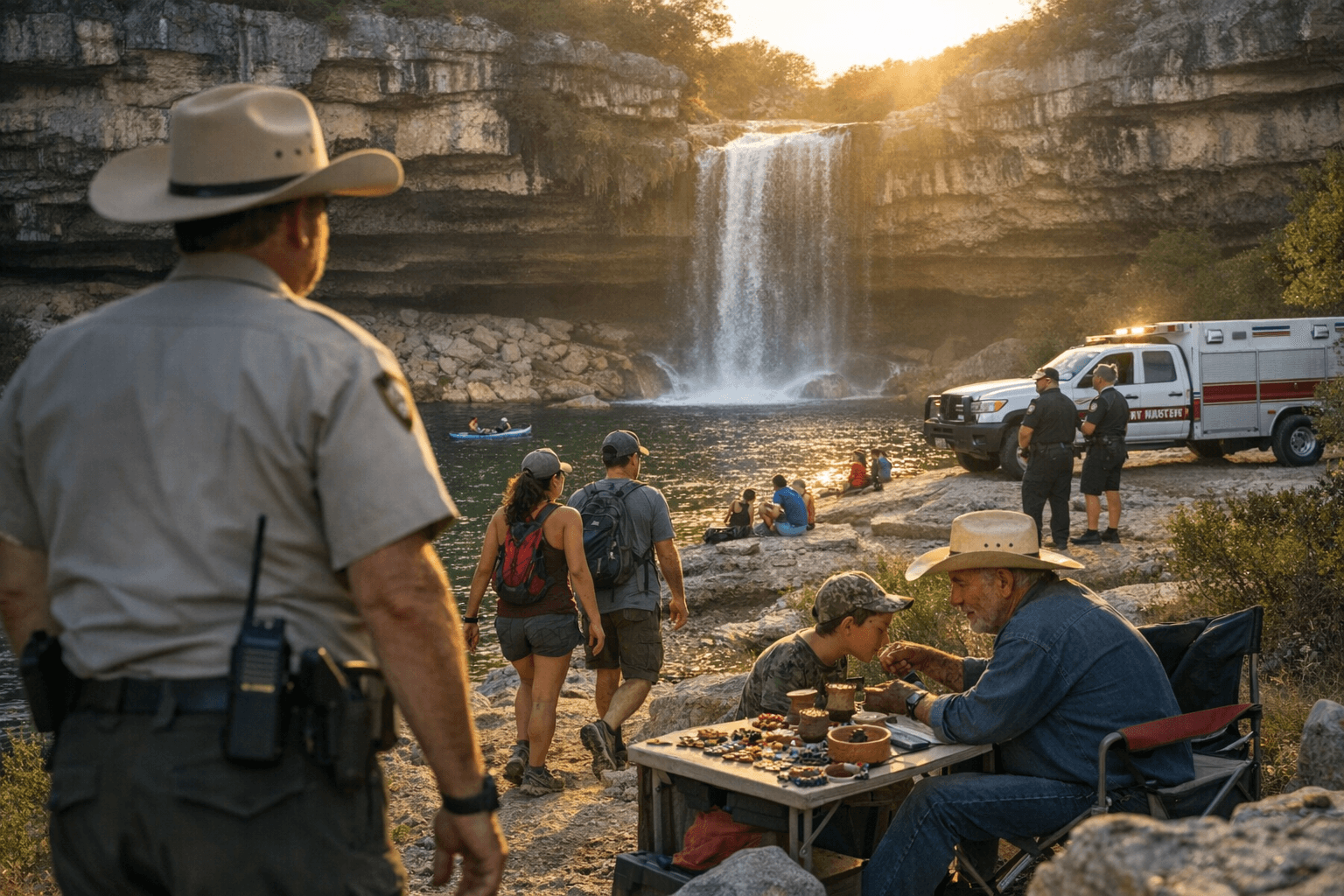
Seminole Canyon State Park & Historic Site is a primary cultural and outdoor destination, celebrated for Lower Pecos rock art including the White Shaman panel. The park offers guided canyon tours, hiking trails and interpretive programs that draw historians, school groups and outdoor enthusiasts. Those programs play a role in education and cultural preservation, helping connect residents and visitors to deep regional history while supporting local guides and park staff.
Closer to town, the Whitehead Memorial Museum preserves artifacts and exhibits on Del Rio and Val Verde County history, including Judge Roy Bean-related displays. With multiple buildings on landscaped grounds and regular community events, the museum is a hub for local heritage tourism and education, anchoring downtown cultural activity and school programming.
Beyond recreation and tourism, these sites affect public health and social equity. Access to open water, trails and cultural learning supports physical activity, mental health and social cohesion for residents. At the same time, barriers such as transportation, admission costs, program accessibility and language services can limit who benefits. Ensuring equitable access to these resources requires coordination among county leaders, parks managers, health services and community organizations, particularly for outreach to older adults, low-income families and Spanish-speaking residents.
Public safety and preparedness also intersect with recreation. The scale of Amistad Reservoir and the remote canyons of Seminole Canyon mean that visitor safety, search and rescue capacity and emergency communications are local priorities. Continued investment in staffing, maintenance and cross-jurisdictional planning can reduce risks and support the county’s economic reliance on outdoor recreation.
For practical information, check each attraction’s official site or contact the managing agency before visiting for the latest hours, guided-tour schedules, special programs and possible closures. As Val Verde leans on these places for jobs, culture and well-being, county leaders and residents face a shared task: preserve these resources, expand equitable access, and integrate recreation into broader public health and emergency planning so the benefits reach everyone in the community.
Sources:
Know something we missed? Have a correction or additional information?
Submit a Tip