Valentine’s Day spending projected to hit record $29.1 billion in 2026
U.S. Valentine's Day spending is forecast to hit a record $29.1 billion in 2026, with shoppers budgeting a record $199.78 each and candy remaining the single most-purchased item at 56%.

The National Retail Federation and Prosper Insights & Analytics project U.S. consumer spending for Valentine’s Day 2026 will reach a record $29.1 billion, topping last year’s $27.5 billion and pushing the average planned spend per shopper to a new high of $199.78, up from $188.81 in 2025 and above the prior record average of $196.31 set in 2020. That headline figure frames what retailers and gift-givers can expect this holiday: higher per-person budgets and stronger category demand.
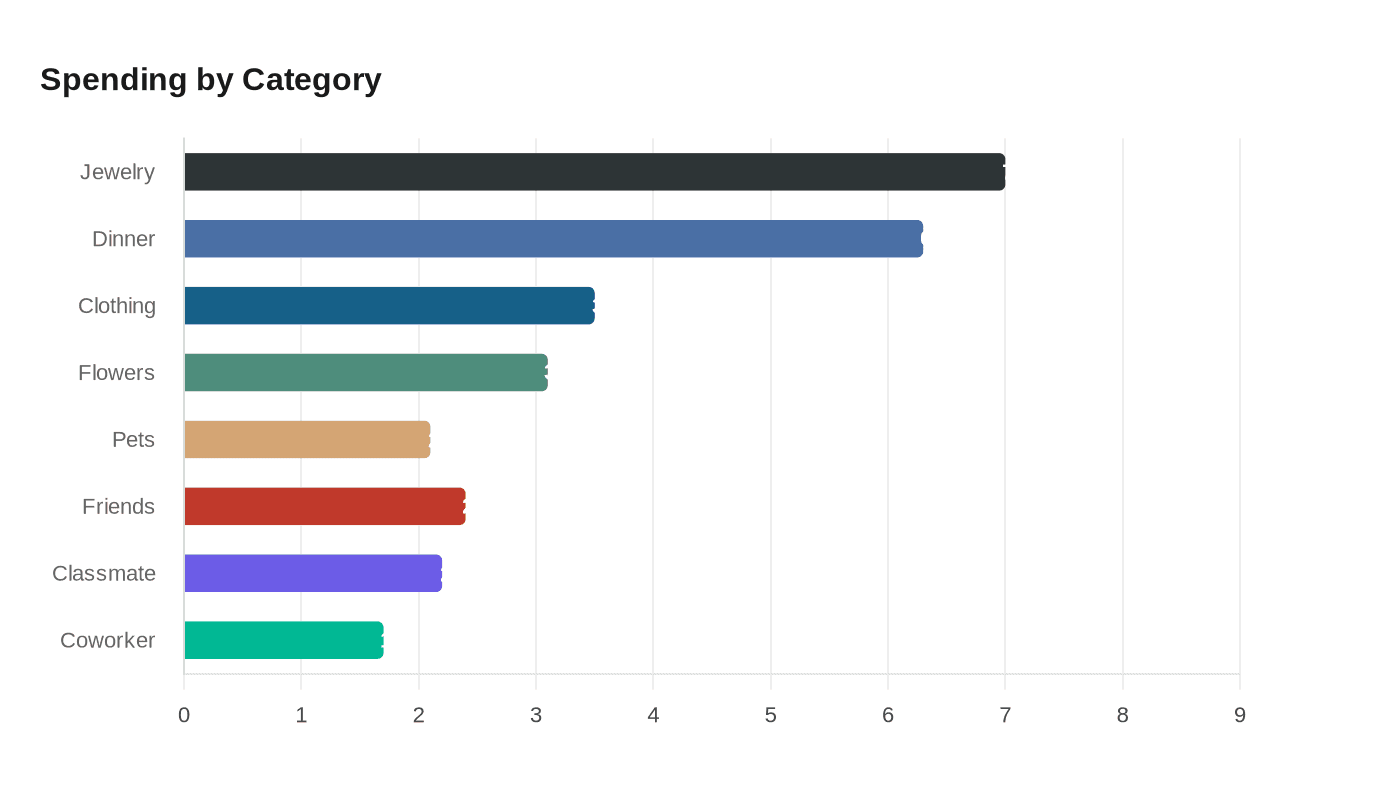
Candy remains the most common pick, with 56% of consumers planning to buy it, while 41% plan to purchase flowers and 41% plan to buy greeting cards. Jewelry is the single largest dollar category in the 2026 forecast at $7.0 billion, followed by a special evening out at $6.3 billion, clothing at $3.5 billion, and flowers at $3.1 billion. Those dollar totals show where splurges will concentrate: fewer shoppers buying big-ticket items but spending more when they do.
Pet gifting has become a mainstream line item. The survey finds a record 35% of consumers plan to purchase Valentine’s Day gifts for their pets in 2026, totaling $2.1 billion, up from $1.7 billion in 2025. Phil Rist, Executive Vice President of Strategy at Prosper Insights & Analytics, put it plainly: “Valentine’s Day underscores the value of relationships, and for many people, the connection they share with their pets is an important one ... consumers are looking to celebrate their pets this Valentine’s Day with a special toy, accessory or treat.” Gifts beyond romantic partners are substantial as well: 33% of consumers plan to buy for friends ($2.4 billion), 27% for children’s classmates and teachers ($2.2 billion), and 21% for co-workers ($1.7 billion).
Demographic and channel signals add texture to those totals. Rio Roses’ industry compilation notes younger millennials, ages 23–29, averaged $266 on Valentine’s gifts and Generation X averaged $268, while roughly 68% of men planned to purchase gifts with an average spend of $339 in the figures Rio Roses cites. DriveResearch figures offer shopping-channel color: about 40% of gifts are purchased online, with 33% of shoppers visiting department stores and 31% shopping discount stores. DriveResearch also reports that roughly 29% of recent Valentine’s spending was not for a significant other, underscoring the survey’s broader recipient mix.
Floral-data and historical context help explain timing and inventory pressure. Rio Roses reports consumers spent $2.3 billion on Valentine’s Day flowers in 2022, the highest since 2007 and tied with 2020, and says red roses account for roughly 70% of Valentine’s Day flower purchases. Historically, U.S. Valentine spending has climbed steadily from $18.2 billion in 2017 to nearly $26 billion in 2023 in other compilations, then to $27.5 billion in 2025; the 2026 projection extends that trend.
For gift-givers and merchants the practical takeaway is simple: higher budgets and concentrated category dollars mean jewelry, dinners, and well-timed floral programs will dominate revenue, while pet items, cards and candy will drive volume. Retailers who prebook inventory for roses and promote pet- and friend-focused assortments stand to capture a larger slice of the projected $29.1 billion.
Know something we missed? Have a correction or additional information?
Submit a Tip