Valentine’s Gifts for Neurodivergent Partners: Sensory Comfort, Practical Support, Respect
Many guides now recommend swapping spectacle for sensory and emotional comfort: choose gifts that soothe, simplify, and show you truly see your neurodivergent partner.
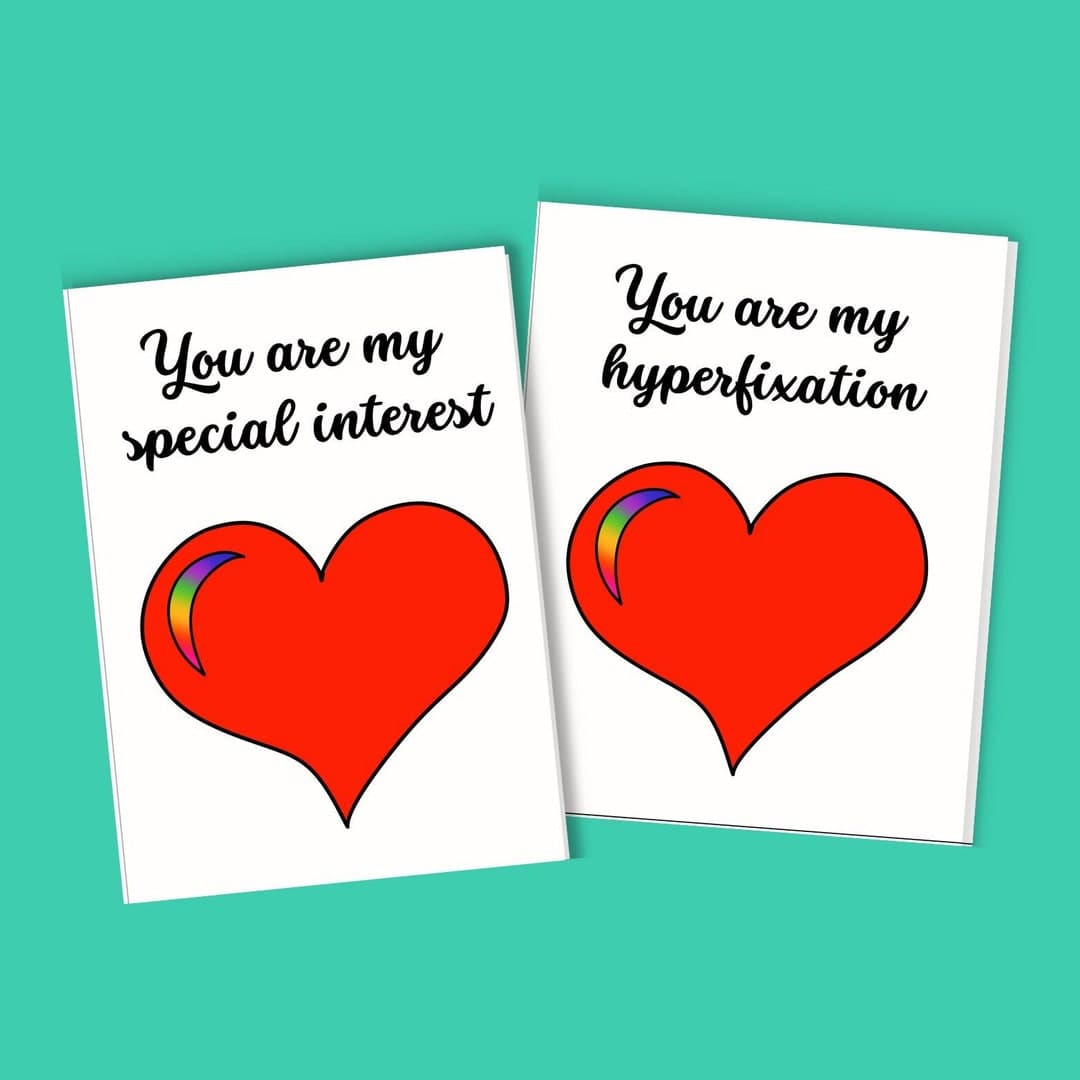
Many gift guides and disability‑aware lifestyle pieces recommend shifting Valentine’s thinking from spectacle to sensory and emotional comfort for neurodivergent partners." Start here, and let intention steer every choice. This is a practical, affection-forward guide that gathers sensory supports, stim tools, executive-function helpers, creative kits, and the non-material gestures that matter most. Use the specific recommendations below to match temperament, sensory profile, and daily friction points rather than chasing one-size-fits-all romance.
What this guide covers "The 2025 NDI Gift Guide brings together items that support regulation, creativity, delight, and everyday accessibility." That sentence is a tidy map: sensory supports and soothing tools; fidgets and stim tools; creative and buildable kits; practical tools for everyday life; and work that uplifts neurodivergent-owned small businesses. Where possible I name exact products that have been recommended by clinicians, advocates, and neurodivergent writers so you can buy with confidence or use the item as a jumping-off point for something custom.
Who these gifts are for The guidance is explicitly meant for "Autistic, ADHD, AuDHD, and otherwise neurodivergent adults; Parents, partners, and friends looking for meaningful gifts; Therapists and educators who want neurodivergent-affirming resources." Read that list and then personalize: every neurodivergent person is different, so let this be a toolkit, not a template.
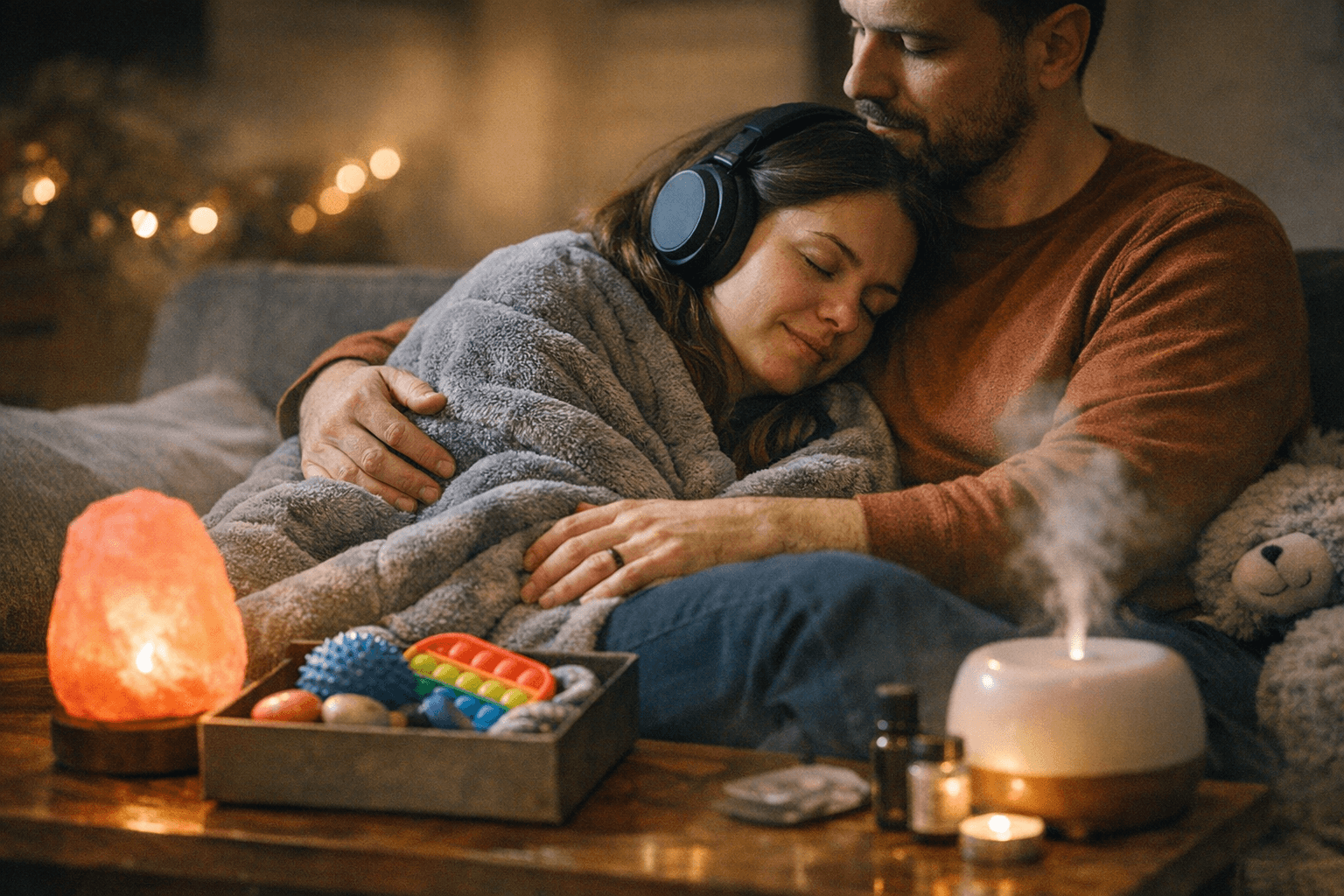
Sensory supports and sleep-friendly gifts If sensory safety is priority number one, consider targeted regulation tools that make environments calmer and more predictable. NeurodivergentInsights lists "Weighted items," "sensory-safe lighting," "gentle movement options," and "products that help regulate an overwhelmed nervous system" as cornerstone categories. Those options range from low-cost fidgets to larger investments like sleep tech.
- Sound and noise control: Loop and Flare audio products are singled out in several roundups as sensory-friendly essentials. GuildedMonocle highlights "Loop & Flare Audio Earplugs (Sensory-Friendly Essentials)" and even notes "Loop Earplugs - 25% off sale" in its promotions. The brand's own framing is useful: "Loop’s styles—Quiet, Engage, and Experience—cover everything from total noise reduction to comfortable conversation filtering." These cover needs from high attenuation to conversation-preserving filters; price and sale details vary by retailer, so check current offers before buying.
- Rest and wake routines: For partners who struggle with jarring alarms or fragmented sleep, Alicia Valenski recommends tech that structures rest without rigidity. Her suggestions include "Calm App 1-Year Subscription - This app has it all: guided meditations! soothing sleep stories! relaxing music! even breathing exercises!!! It’s easy to use and fits seamlessly into any routine, making it perfect for neurodivergent brains that crave structure but hate rigidity." She also calls out "Hatch Restore - Combines a sunrise alarm, guided meditations, sleep stories, and calming soundscapes to help you wind down at night and wake up gently in the morning (no more jarring alarm jolts!). A thoughtful gift for anyone who knows self-care starts with a good night’s sleep."
- Grounding garments: For tactile comfort and daily ritual, choose high-quality loungewear rather than novelty lingerie. Valenski’s pick, "Restoration Hardware Plush Long Robe - Soft, luxurious, and just heavy enough to feel grounding without being overwhelming. Plush enough to feel indulgent but practical enough for everyday use. Sensory perfection!" demonstrates that a beautiful, wearable piece can be both indulgent and practical.
Practical supports and executive-function gifts Many thoughtful gifts remove friction from daily life. NeurodivergentInsights lists "Items that make executive functioning a little lighter and support routines, organization, and self-care." GuildedMonocle recommends ADHD planners, handmade journals, and writing kits; their image caption for a kit reads "gratitude journal in grey, with pocket everyday planner, two cards and a bookmark," which illustrates the tactile, low-decision formats ND people often prefer.
Small, inexpensive supports can be high-impact: Catherine McConnell suggests a Popsocket or phone ring as a simple fix for dropped phones and improved grip, recalling in first person, "I got a phone ring and suddenly I’m not dropping my phone as much." A small, practical gift like that reduces stress every day.
Eyewear and light sensitivities Light sensitivity is common and often overlooked. Catherine McConnell writes, "Sensory Glasses: For those who are light sensitive, there are glasses of different colors that balance out things like those impossibly white lightbulbs, or flourescents. You’ll have to experiment to see what works best for you but I find that these really help with strain and headaches due to light sensitivity." For prescription wearers who like modularity, she recommends a gift certificate for Pair eyewear, which offers magnetic frames for easily changing looks and lenses.
Fidgets, stim tools, and hands-on kits Fidget tools and tactile projects are not infantilizing; they are regulation tools. NeurodivergentInsights and GuildedMonocle both list "Fidgets & Stim Tools" and "Crafts, puzzles, and tactile projects." Think weighted lap pads, discreet jewelry that can be manipulated, pocket stims, and buildable kits: puzzles, model sets, or a writing kit with a gratitude journal and pocket planner. These items support focus, provide dopamine-friendly micro-rewards, and can be chosen in beautiful materials so they feel like grown-up possessions.
Support neurodivergent makers If your goal includes economic uplift, NeurodivergentInsights explicitly curates "Neurodivergent-Owned Small Businesses" and features pieces from makers on Etsy and Instagram. GuildedMonocle echoes the marketplace idea, advising shoppers to look to indie shops and bookstores for cozy reading delights and curated boxes. Buying from a neurodivergent maker adds ethical resonance to the gift; presentation and provenance matter as much as price.
Affordable, high-impact picks Not every meaningful present costs a lot. The free resource "The 2025 Neurodivergent Gift Guide (Free)" compiles many accessible options, and small items like fidgets, stickers and dopamine stationery, or cozy candles can be sourced for modest sums and packaged thoughtfully. GuildedMonocle lists "Stickers + dopamine stationery" and "Cozy candles" as category examples that deliver repeated joy for a low outlay.
When the best gift is not an object "As an AuDHDer, what matters most to me is feeling seen and supported in a world that isn’t designed for my neurotype, full of people who often just don’t get how my brain works." That testimony from Alicia Valenski is the ethical center of this guide. She continues: "Considerate gestures like a handwritten list of things someone sees in/appreciates about me, a pre-planned day of sensory-friendly activities together, or even just taking a moment to ask me, 'What would make your life a little easier right now?' can mean sooooooo much more than a physical gift." Those actions cost little but recalibrate relationship dynamics over time. "Thoughtfulness doesn’t come with a price tag, but it’s the kind of gift that keeps giving long after the holidays are over."
- If you plan to buy sound-reduction gear, be precise: the Loop line offers several listening profiles, from high attenuation to conversation-friendly filters. GuildedMonocle’s language is clear: "Perfect for: Autistic adults, ADHD folks, noise-sensitive people, commuters, office workers, and anyone needing peace."
- Sales and availability fluctuate; GuildedMonocle mentions "Loop Earplugs - 25% off sale" as an example of seasonal pricing, so verify current offers before you commit.
- When gifting sensory items, avoid surprise: package the receipt and a no-pressure return option, and include a short note that the gift is exchangeable for a different texture, size, or color.
Practical shopping notes and cautions
Clinician perspective and local resources If you want clinician guidance, Catherine McConnell, LPC, publishes practical suggestions and lists sensory glasses and modular eyewear as concrete interventions. Her practice and contact details appear publicly in her materials, including a street address in Arlington, Texas, and listed office hours for appointments, which may be useful if you prefer an in-person consult before buying larger items.
A final note on presentation Presentation is part of the gift. Choose calming colors, low-sensory packaging, and clear labeling; include simple instructions and a note that emphasizes choice and exchangeability. Above all, give the gift with the question Alicia Valenski recommends: ask what would make daily life a little easier. That small act of curiosity is the truest Valentine you can offer: practical, respectful, and deeply attuned to the person you love.
Know something we missed? Have a correction or additional information?
Submit a Tip