Van Dijk heads Netherlands ahead of Japan at World Cup opener
Van Dijk's 51st-minute header from Ryan Gravenberch's service gave the Dutch control before Japan fought back in a 2-2 Group F opener.
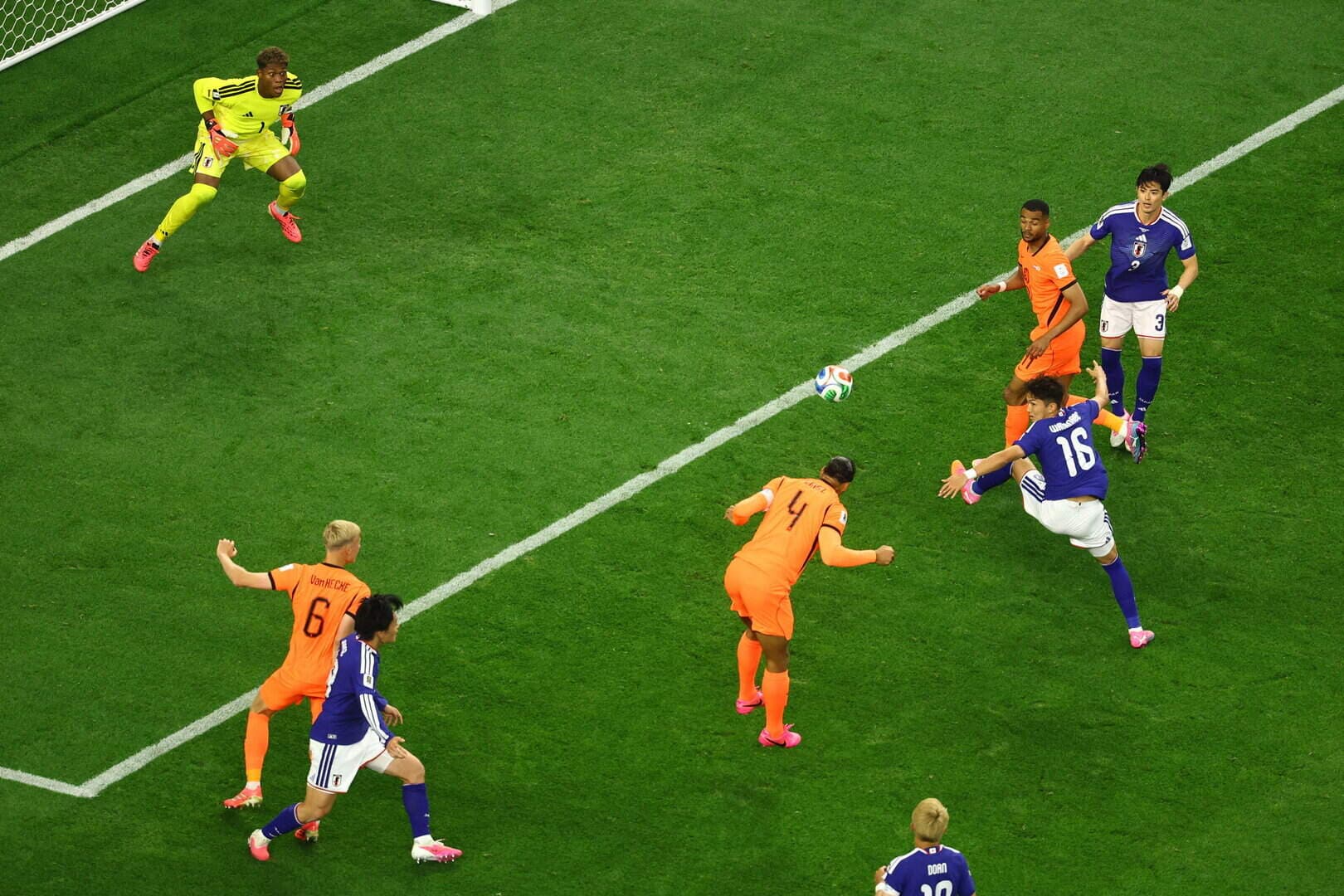
A set piece broke the deadlock and exposed the fine margins that can define a World Cup group stage. Virgil van Dijk rose above Japan in the 51st minute at Dallas Stadium in Arlington, Texas, to head in Ryan Gravenberch’s delivery and put the Netherlands ahead in the opening match of Group F before 69,285 spectators.
The goal carried more weight than the scoreboard at that moment. It came after a second dead-ball sequence and featured a clear Liverpool connection between Gravenberch and van Dijk, with Reuters capturing van Dijk’s celebration alongside Gravenberch and Jan Paul van Hecke. For the Netherlands captain, it was his first goal in a major international finals with the national team, and it arrived on a stage where one well-placed cross and one dominant aerial duel shifted the shape of the game.

The match carried history as well as consequence. The Netherlands, three-time World Cup runners-up in 1974, 1978 and 2010, entered the tournament after an unbeaten European qualifying run, finishing with six wins, two draws, 27 goals scored and only four conceded. Japan came in as a highly regarded Asian side playing at its eighth straight World Cup, and the meeting revived memories of South Africa 2010, when the Dutch beat Japan 1-0 in Durban.
That context made the opening exchange in Arlington more than a routine tournament fixture. The Dutch used set-piece precision to break Japan’s shape, with van Dijk’s movement and timing turning a crowded penalty area into a decisive advantage. NBC Sports later noted that the Netherlands led 1-0 and 2-1 through van Dijk and Crysencio Summerville, while theScore recorded the 51st-minute goal in a match that finished 2-2 after Japan’s response.
For Ronald Koeman’s side, the sequence underlined a familiar World Cup truth: in a short group stage, dead-ball execution can decide momentum, confidence and standing. For Japan, the equalizer ensured the contest stayed alive, but the Netherlands had already shown that a single aerial duel at the right moment can open a tournament and reshape a group.
This article was produced by Prism’s automated news system from verified source data, official records, and press releases, then run through automated quality and moderation checks before publishing. The system is built and supervised by the people who set the standards it runs under. Read our full AI policy.
Did this article answer your question?

.jpg&w=1920&q=75)
