Vance defends Iran war, criticizes Epstein file rollout in Rogan interview
JD Vance used Joe Rogan’s 2-hour, 53-minute podcast to defend the Iran war while admitting the Epstein file rollout was botched.
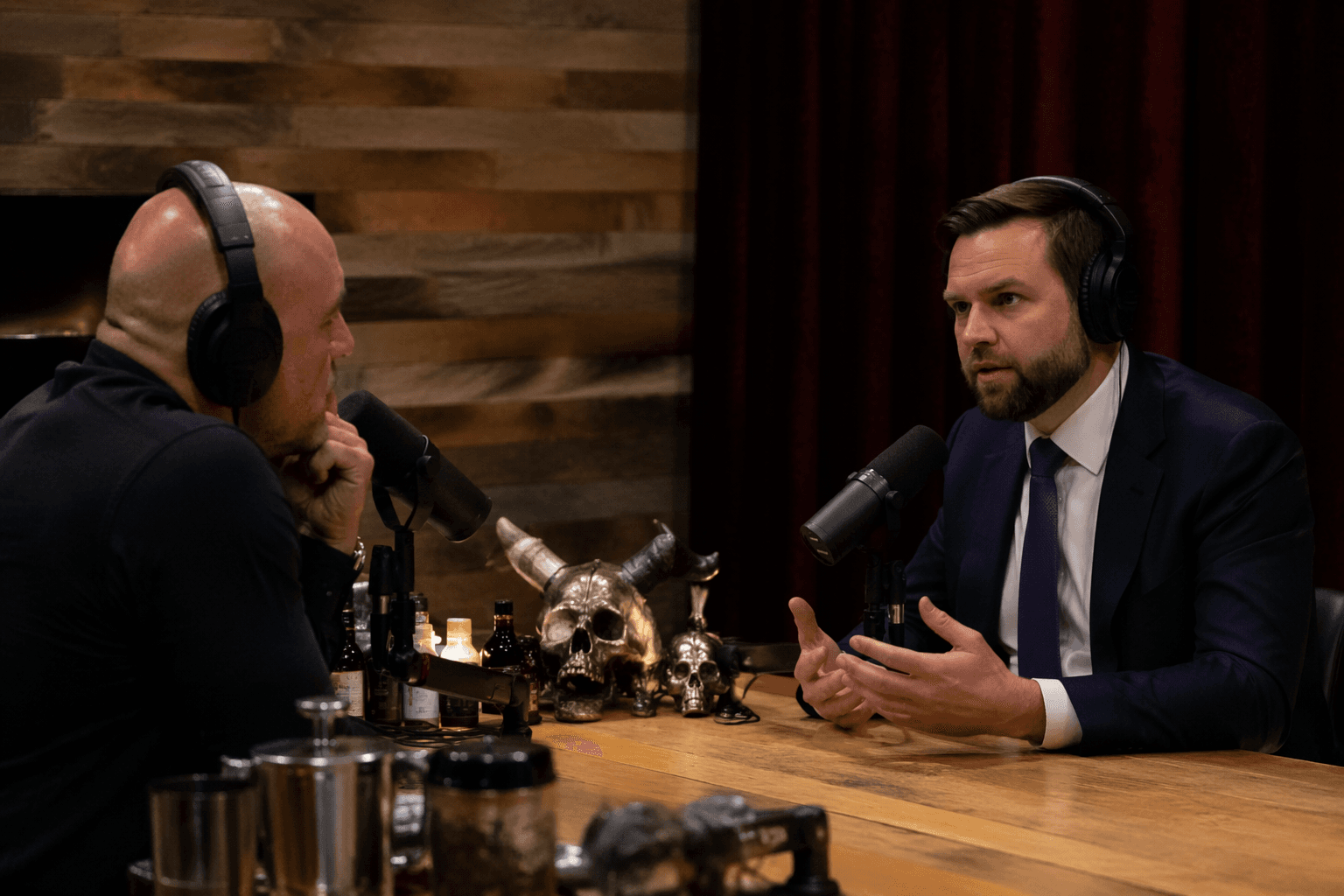
JD Vance spent nearly three hours on Joe Rogan’s show trying to steady two of the Trump administration’s most politically charged fights: the war in Iran and the Epstein files rollout. The episode, Joe Rogan Experience #2526, was released July 15, 2026 and marked Vance’s first on-air conversation with Rogan since 2024.
Rogan pressed the vice president on why negotiations with Iran kept falling apart and whether Israeli pressure had pushed Donald Trump into war. That line of questioning landed as the United States continued striking Iran and as Rogan had already been publicly critical of the war in earlier episodes. Vance answered cautiously, defending the administration’s position while signaling some skepticism about the conflict and the way it had been sold.
The interview also exposed how fragile the Epstein issue had become for the White House. Vance said the administration “absolutely” mishandled the communications surrounding the Epstein files and said officials should have released the documents more quickly. He also said the Trump team “did mishandle” the release, turning an issue that had already become a major political liability into a fresh opening for criticism.
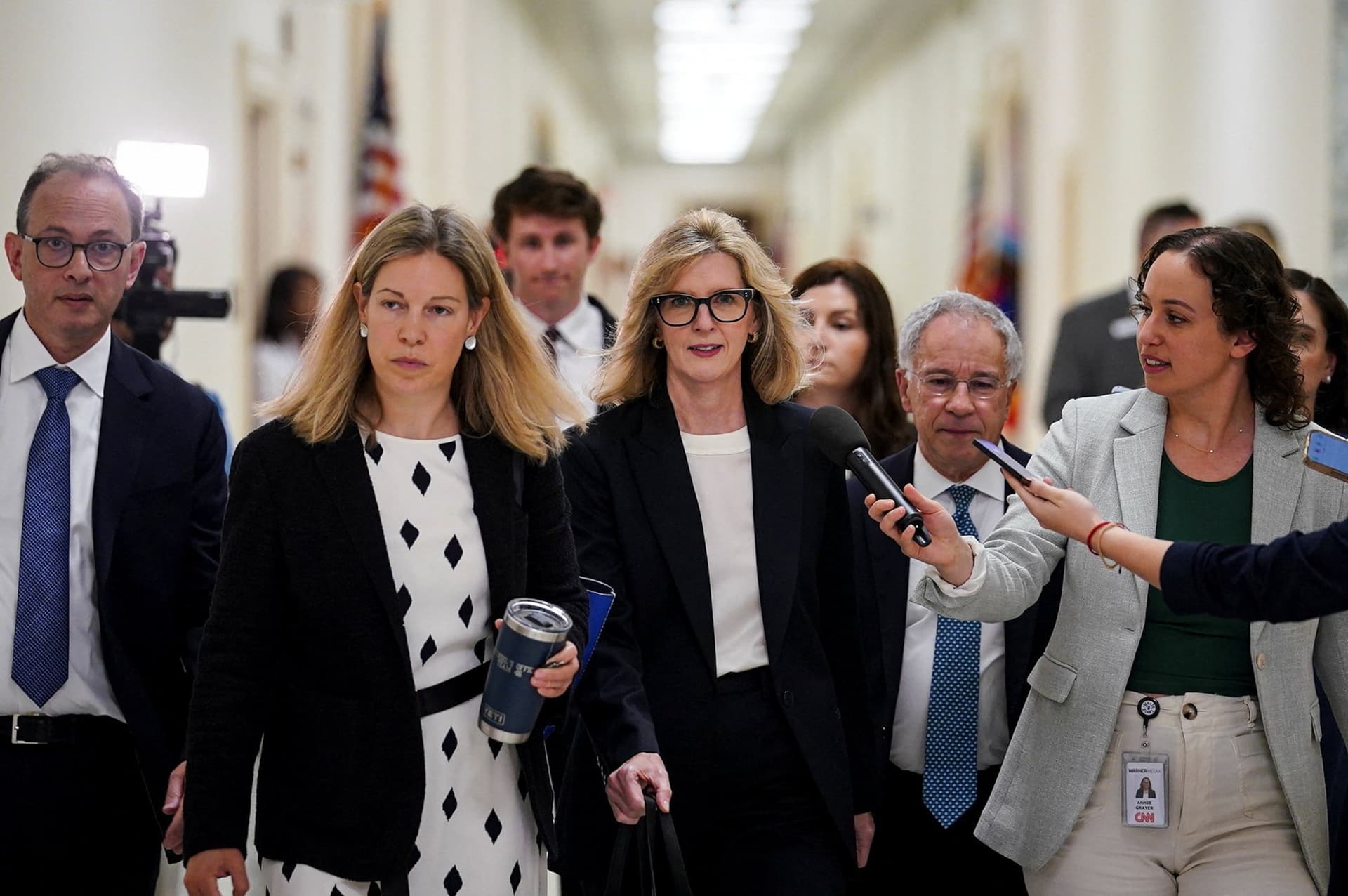
Pam Bondi remained central to that fallout. Her earlier public comments about a supposed Epstein “client list” that was “sitting on my desk right now” had made her a focal point of the controversy, and Vance pointed largely to the botched messaging around that episode. The vice president’s comments suggested an effort to separate the administration’s broader agenda from the handling of a scandal that has lingered inside Washington and at the White House.
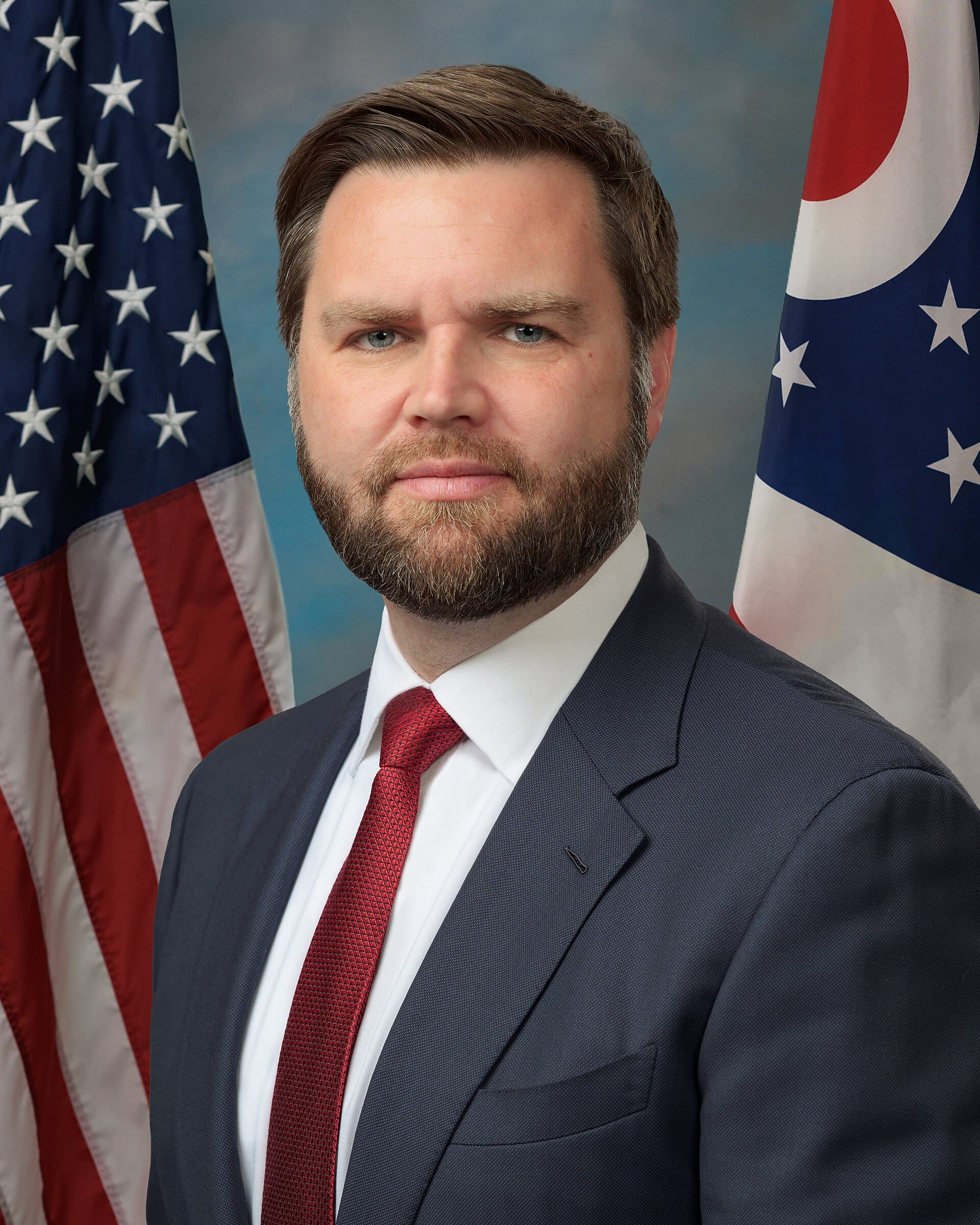
Beyond Iran and Epstein, the conversation moved through foreign policy and space travel, reinforcing how Rogan’s platform has become a place where major political figures can test language, soften risky positions and signal unease without breaking openly with their side. For Vance, the interview offered a long-form stage to defend the war, acknowledge a communications failure, and show how the administration is trying to keep its message aligned even as pressure builds from both abroad and at home.
This article was produced by Prism’s automated news system from verified source data, official records, and press releases, then run through automated quality and moderation checks before publishing. The system is built and supervised by the people who set the standards it runs under. Read our full AI policy.
Did this article answer your question?