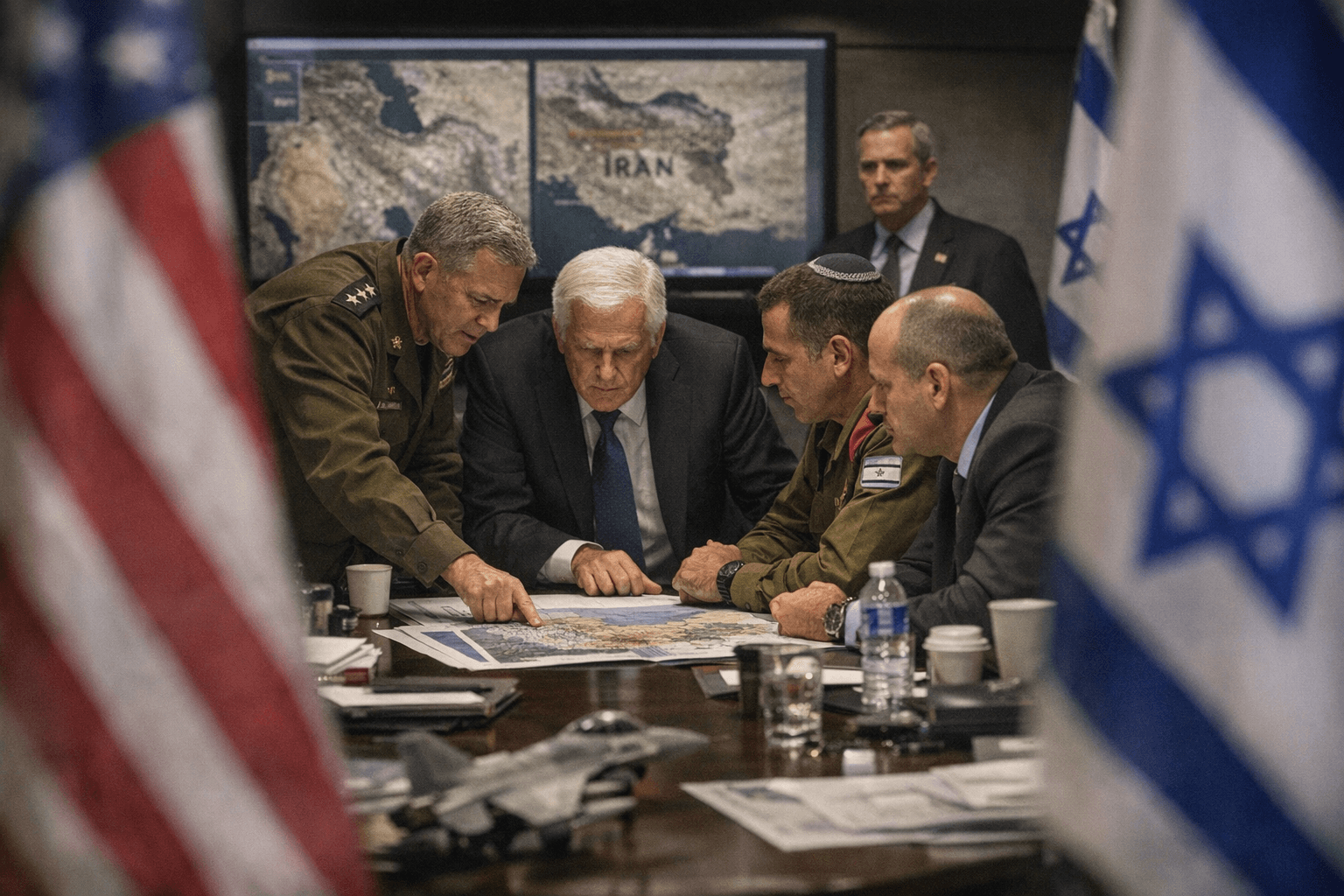
Vance leaves Iran talks in Pakistan without deal after 21 hours
After 21 hours in Islamabad, JD Vance left without Iran’s nuclear pledge, putting a fragile ceasefire and the April 22 deadline at risk.
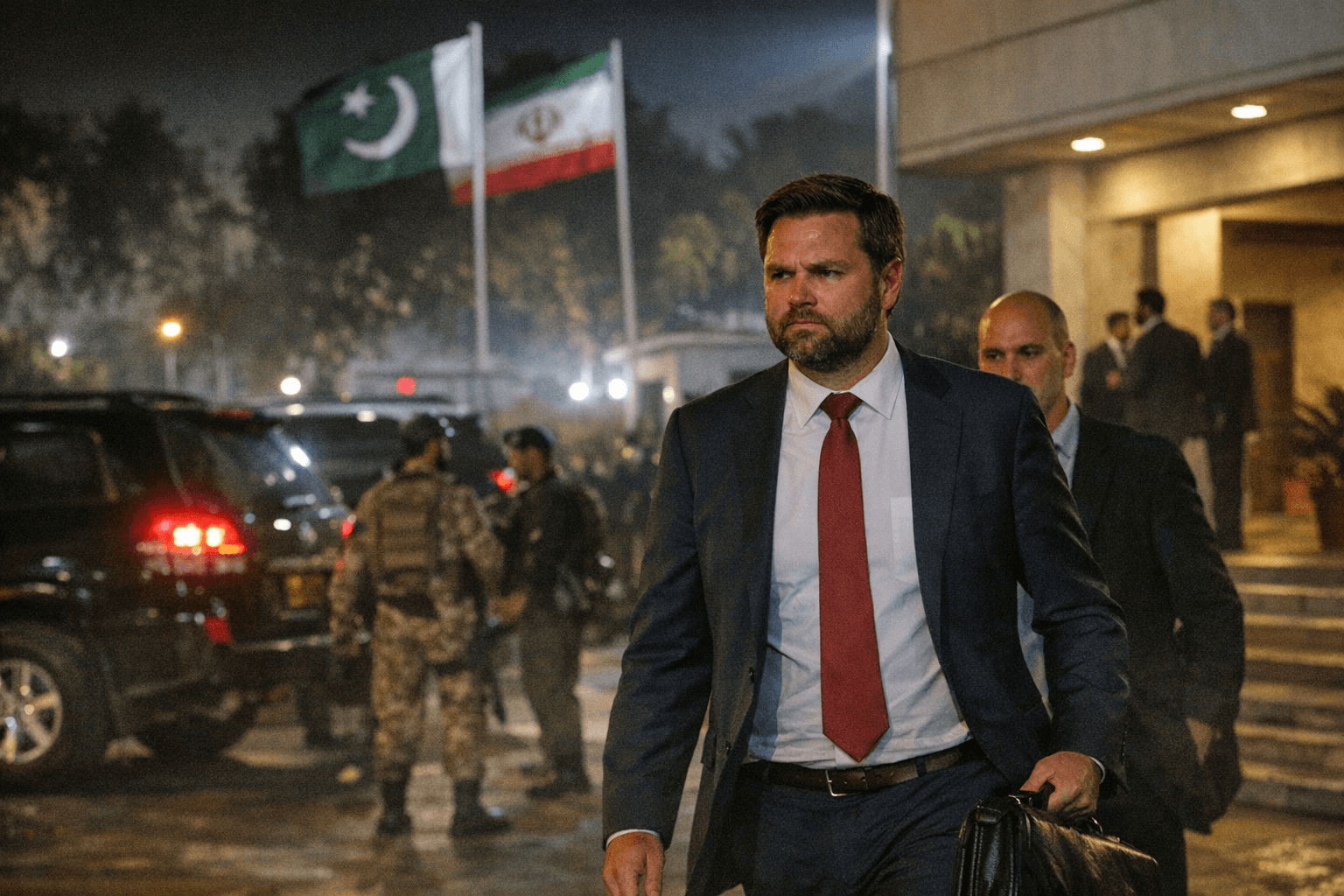
The 21-hour bargaining session in Islamabad ended where it started: with no deal, no public breakthrough and a ceasefire that now looks far more fragile than it did when the talks opened. Vice President J.D. Vance led the U.S. delegation in Pakistan on April 11 and 12, alongside special envoy Steve Witkoff and Jared Kushner, as Iranian negotiators led by parliamentary speaker Mohammad Bagher Ghalibaf and foreign minister Abbas Araghchi pressed their own terms.
The failure mattered because the talks were supposed to do more than pause a war. They were meant to turn a Pakistan-mediated two-week ceasefire, announced on April 7 and 8, into something lasting after the conflict began on February 28, when U.S. and Israeli strikes on Iran triggered a broader regional confrontation. That war has already sent airstrikes, missiles and drones across the region, killed and wounded thousands by multiple tallies, and jolted oil and shipping markets.
Vance said the sides talked for 21 hours and still “have not reached an agreement.” U.S. officials said Iran would not give the affirmative commitment Washington wanted that Tehran would not seek a nuclear weapon or the tools to build one. Iran, for its part, called U.S. demands excessive and unreasonable, and Ghalibaf said Tehran believed the Americans had failed to win the trust of Iranian negotiators.
That leaves the Trump administration with a short list of unpleasant choices. The least risky path is to keep talking, either through Pakistan or another intermediary such as China, and try to extend the ceasefire before it expires on April 22. That could preserve a diplomatic opening, but it also buys time for both sides to harden positions and for allies to question whether Washington can lock in even a temporary pause.

A second option is economic pressure. The White House could tighten sanctions, expand financial restrictions or use other coercive measures to change Tehran’s calculus. That might reassure hawks in Washington and some regional partners, but sanctions alone rarely produce quick concessions in a crisis this volatile, and they can just as easily push Iran to dig in.
A third path is military pressure short of a broad new war: more naval operations to secure shipping lanes, mine-clearing and escorts in and around the Strait of Hormuz, or targeted strikes against remaining nuclear infrastructure. Those steps would show resolve, but they carry the greatest risk of reigniting large-scale fighting and deepening the shipping shock that has already shaken global energy markets.
There is also a narrower deal to be had, one focused on Hormuz and shipping guarantees while leaving the nuclear dispute for later. That could stabilize markets quickly, but only if both sides accept limits they have so far refused to accept. With the ceasefire clock running toward April 22, Washington now has to decide whether it wants time, leverage or escalation. It may not get all three.
Sources:
Know something we missed? Have a correction or additional information?
Submit a Tip