Vance says Iran talks in Switzerland lay foundation for deal
Vance called the Switzerland talks a “good foundation,” but key terms remain unsettled: inspectors, sanctions relief and Strait of Hormuz security.
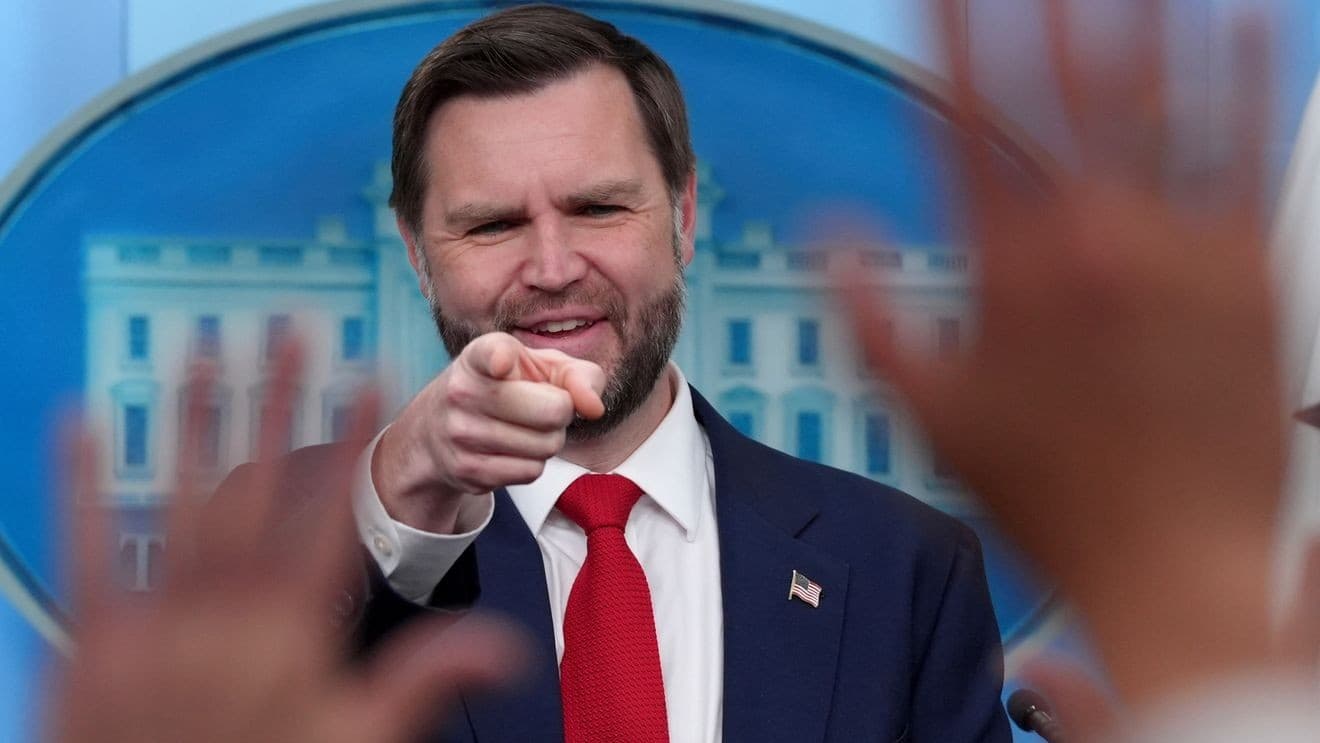
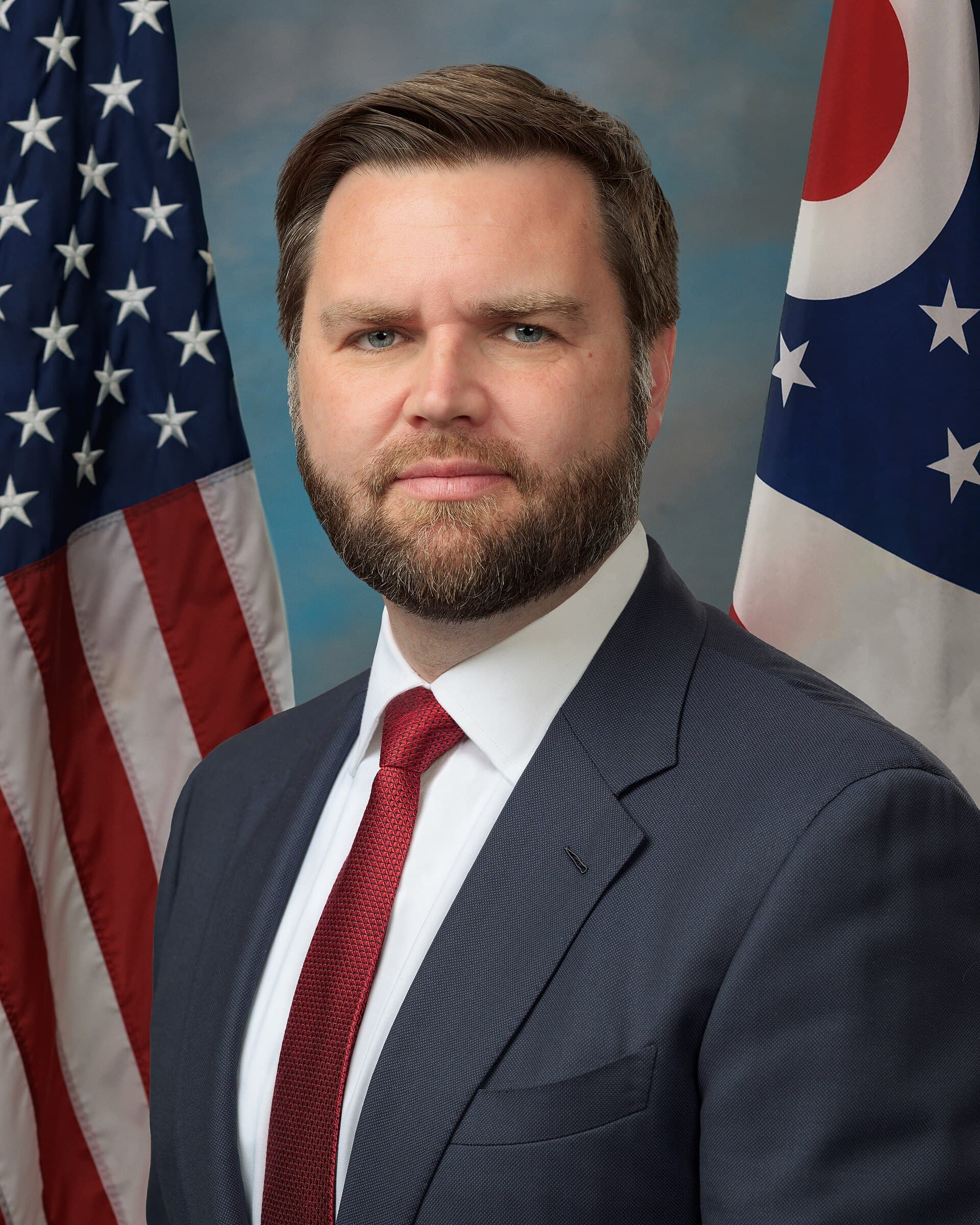
JD Vance emerged from more than 18 hours of Iran talks in Switzerland declaring he felt great about the progress. But the broad optimism masked a narrower reality: the delegates left the Bürgenstock Resort in Obbürgen, near Lucerne, with a roadmap, not a finished agreement, and the most volatile questions still hung over the table.
Vance said Monday that the negotiations had laid a “good foundation” for a final deal. Mediators from Qatar and Pakistan said the two sides had agreed to a 60-day path toward a conclusion, while technical talks were set to continue. The pace was intense, with U.S. and Iranian negotiators spending roughly 18 to 21 hours in discussions over the weekend and into Monday.
The substance remains disputed. The issues reportedly under discussion included nuclear monitoring, sanctions relief and a communications line meant to prevent incidents in the Strait of Hormuz, where tensions could quickly spill into the wider war that began at the end of February 2026. The waterway carries about 20 million barrels of oil a day, making even a brief disruption a global energy shock.
One of the most consequential claims was that Iran had agreed to let International Atomic Energy Agency inspectors back into the country. If carried out, that would be the first such access since inspectors were blocked after the June 2025 attacks on Iranian nuclear facilities. Tehran, however, publicly denied making new commitments, underscoring how far the sides remain from a shared public understanding of what was actually agreed.
Washington also moved on sanctions before any final text was in hand. The U.S. temporarily suspended sanctions on Iranian oil for 60 days after the opening round of talks, a step that signaled momentum but also raised the stakes if the talks falter. Donald Trump added to the uncertainty by saying Iran would agree to weapons inspections, even as he had previously threatened to resume strikes if diplomacy stalled.
That tension has fed skepticism in Congress and among allies who are watching for proof that the talks reduce, rather than merely postpone, the risk of wider war. Vance said he stayed in constant communication with Trump and other officials, but the weekend’s diplomacy still left the central question unanswered: whether the parties have actually closed any meaningful gap, or only agreed to keep talking for another 60 days.
This article was produced by Prism’s automated news system from verified source data, official records, and press releases, then run through automated quality and moderation checks before publishing. The system is built and supervised by the people who set the standards it runs under. Read our full AI policy.
Know something we missed? Have a correction or additional information?
Submit a Tip